
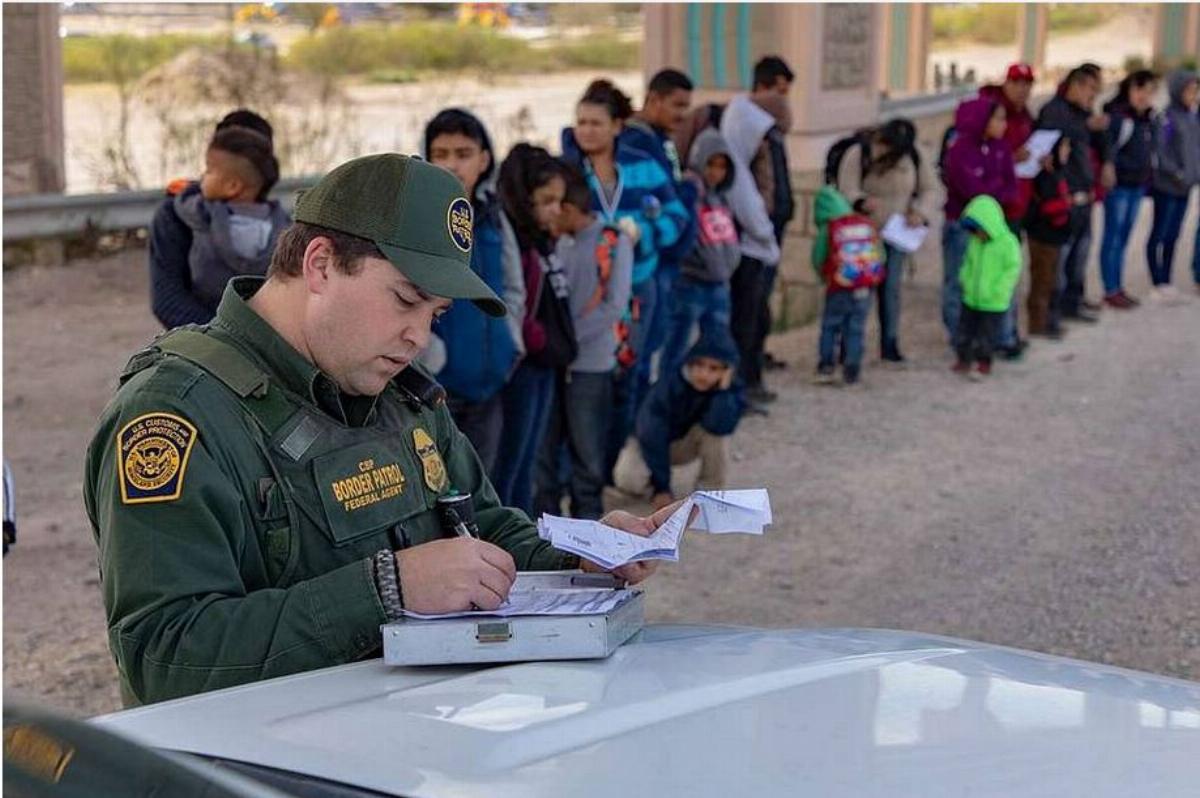
A migrant caravan numbering in the hundreds is moving north through Mexico toward the U.S. border, drawing a pointed warning from the Department of Homeland Security and a round of sharp questions from commentators about who organized and funded the journey.
According to Fox News, DHS said it is monitoring the group’s movement in coordination with international partners. The caravan, predominantly composed of Hondurans, Guatemalans, Salvadorans, Ecuadoreans and Haitians, had grown to several hundred people as of Monday, the network reported. Writing at American Thinker, Silvio Canto Jr. noted the migrants appear to have entered Mexico without visas and are now walking toward what they call “el norte.”
A border that stays closed
The department’s statement, provided to Fox News, was direct about the state of the southern border under the current administration. “USBP is closely engaged with its international partners to monitor their movement and any additional developments,” DHS said. The statement added that U.S. Border Patrol “reminds migrants that under the leadership of President Trump and Homeland Secretary Mullin, the border has remained closed and secured for the last 16 months.”
That framing matters: the message from Washington is not merely that the caravan will be stopped, but that the conditions that once made such caravans a viable route into the country no longer exist. The reference to a 16-month stretch of enforcement is meant to discourage the group from continuing north at all, an effort to shape decisions while the migrants are still hundreds of miles away.
The question of who is paying
Canto’s commentary turns from the logistics of the march to its origins. He asks plainly who is behind the caravan, and whether anyone seriously believes that citizens of five different countries independently decided to gather and start walking north together.
“Am I the only person who believes that someone planned and financed a multinational caravan like this?” he writes, before invoking the question of provisions along the way — who is paying, in his phrasing, for “los sandwiches y refrescos.” It is an argument that caravans of this size and diversity do not simply self-assemble, and that the money and organization behind them deserve scrutiny.
He also relays a conversation with a Mexican friend, who expressed hope that the Mexican government recognizes these “caravanistas” are not entering the United States — and that residents of northern Mexico understand they may be acquiring new neighbors. The observation cuts at an uncomfortable reality for Mexico: a caravan bound for the U.S. border spends its entire journey inside Mexican territory, and if it stalls or is turned back, the people in it do not vanish.
Mexico’s choice
Canto is blunt in his assessment of Mexico’s decision to allow the group in. “Mexico made a big mistake by letting them in,” he writes, arguing that the caravan members likely believe they will ultimately enter the United States and that Mexican authorities should have told them to go home and pursued a peaceful resolution instead.
The piece lands at a moment when the politics of the southern border remain one of the most closely watched issues in American governance, and when any large movement of people toward the border tests the cooperation between Washington and Mexico City. The DHS statement’s emphasis on partnership with international counterparts suggests that coordination is the mechanism the administration intends to lean on — surveillance, communication, and pressure on Mexico to manage the group before it reaches U.S. soil.
For the migrants themselves, the calculus is stark. The department’s public message is that arrival at the border will not mean entry, and that the last 16 months of enforcement are the relevant precedent rather than any earlier period when caravans were met with different policies. Whether that message reaches the group in time — and whether it changes anyone’s mind — is the open question as the caravan continues north.
What remains unresolved is the one Canto presses hardest: the identity of whoever is paying for the food, the transport, and the organization behind a multinational procession that has, once again, put migration at the center of the conversation between Washington and Mexico City.
Source: www.americanthinker.com — https://www.americanthinker.com/blog/2026/09/hey-hey-we-re-the-migrants/