
A British Labour minister has sparked a heated cultural argument by describing the quintessential image of rural England — the village pub, the warm ale, the dog curled at your feet — as a “far-right fantasy” that “never really existed,” according to a report in American Thinker.
Jenny Riddell-Carpenter, a Labour lawmaker and minister at the Department for Environment, Food and Rural Affairs (DEFRA), made the comments in remarks reported by The Times. She said the idea of a “quintessentially English England” keeps her “awake at night,” and warned that the next general election could be fought over competing visions of rural Britain. Unless Labour sets out its own positive case for the countryside, she argued, its opponents will exploit a nostalgic image of rural life for political gain. American Thinker characterized her remarks as an attempt to brand a familiar cultural picture as an extremist invention.
What the Minister Actually Said
The core of Riddell-Carpenter’s argument, as reported, is that the pastoral England many voters carry in their heads is not a neutral memory but a constructed political symbol. The phrase she used — “warm ale and a black labrador at your feet” — was presented as the kind of image her opponents would weaponize. She fears that unless Labour articulates its own vision for rural communities, the countryside debate will be dominated by that nostalgic frame.
The subtext, as American Thinker’s Olivia Murray reads it, is that the minister’s discomfort with the traditional image is tied to her party’s broader agenda for rural areas — an agenda the outlet frames as an effort to “diversify” the English countryside. Murray argues that if the rural England everyone recognizes truly didn’t exist, then the political project of transforming it wouldn’t make sense in the first place.
That is the crux of the dispute: not whether villages, pubs, and pastoral landscapes exist in a literal sense, but whether the attachment to them is a legitimate cultural identity or a coded political signal. Riddell-Carpenter’s framing places it in the latter category. Her critics place it in the former.
The Cultural Case Against the Claim
American Thinker’s rebuttal leans heavily on cultural touchstones. The piece points to Thomas Hardy’s novels set in the fictional “Wessex,” whose descriptive scenes of English country life have long been read as capturing something distinctly English. It cites films like Far From the Madding Crowd and Pride and Prejudice, arguing that audiences can tell immediately that they were shot in England because the English countryside has a visual character that is not interchangeable with anywhere else.
The writer’s more personal argument is that Riddell-Carpenter’s own language undercuts her claim. By invoking black Labradors and pubs, the minister is drawing on imagery that only makes sense if those things are recognizably, quintessentially English. You don’t reference a cultural cliché to deny that the culture exists — or so the argument goes.
Murray also recounts a trip to England this past spring, describing a visit to the countryside village of Wrea Green where the best option for food was a pub, and where patrons brought their dogs inside — one a Corgi, another a Labrador. The anecdote is offered as evidence that the picture Riddell-Carpenter dismisses is not an abstraction but an ordinary lived reality.
The emotional center of the American Thinker piece is more personal still. Murray describes watching The Royal Tenenbaums on a Sunday afternoon and being moved to tears by the Beatles’ “Hey Jude” during the opening montage — a reaction that continued over the following month whenever the song came on. She describes imagining Paul McCartney leaving a Liverpool recording studio and walking toward the waterfront, past fish-and-chips shops, amid gulls and sea air, rendered in grainy analog film style. She acknowledges the scene is partly a figment of imagination but insists it is grounded in video and photographic evidence of what England has actually been.

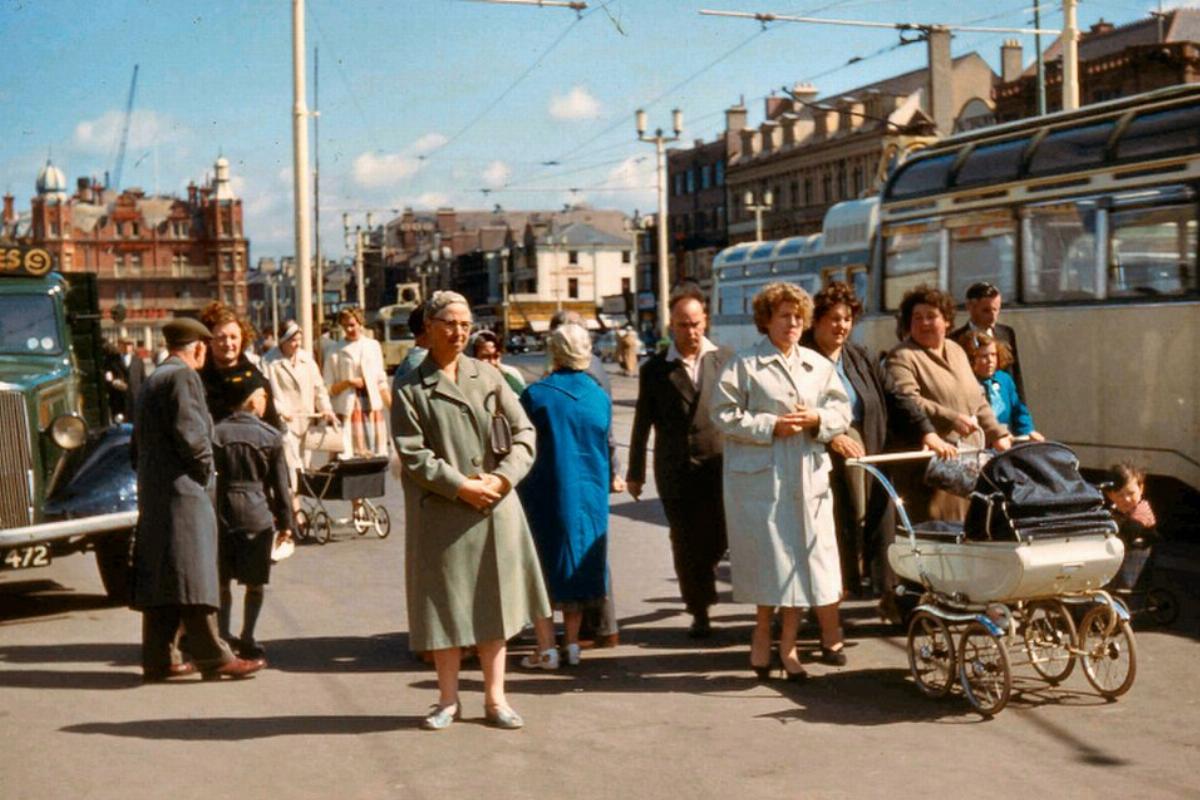
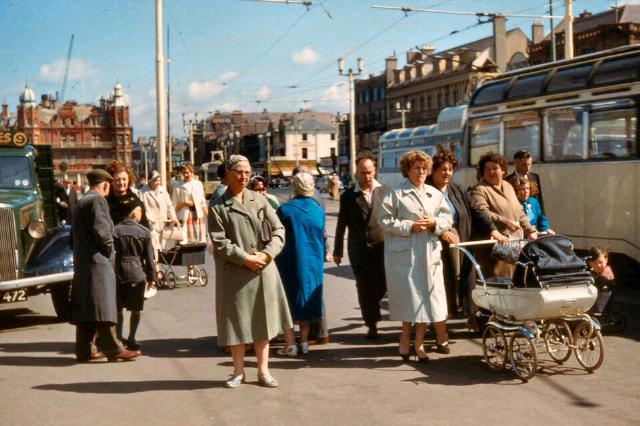
To press the point, she includes a photograph of her English father seated with his younger sister and brother, describing them as British children growing up in the 1960s — a direct challenge to the idea that this England was merely a fantasy. The conclusion she draws is blunt: “They’re erasing us, then telling us we dreamed it all up.”
Why This Argument Resonates
On its surface, the dispute is about a minister’s choice of words. Beneath it sits a broader political fight over national identity, immigration, and who gets to define a country’s cultural self-image. When a government minister characterizes a widely held picture of national life as an extremist fabrication, the reaction from voters who hold that picture is predictable — and it is precisely the kind of reaction that can reshape an election campaign.
Riddell-Carpenter’s stated concern is that the next election will be contested over dueling visions of rural Britain. Her critics counter that she is not merely describing that contest but trying to disqualify one side of it in advance, by labeling a cultural attachment as a fringe ideology. Whether that strategy works — or backfires — may depend on how many voters recognize the England she says never existed.
Source: www.americanthinker.com — https://www.americanthinker.com/blog/2026/09/labour-minister-in-uk-says-traditional-england-was-a-far-right-fantasy-that-never-really-existed/