

Republicans suffered historic midterm losses as Democrats seized control of both the House and Senate, with President Trump’s military escalation in Iran emerging as a central factor in the electoral backlash. Exit polls revealed 74% of voters cited the conflict as a major influence on their ballots, linking the war to soaring gas prices and economic strain.

Red States Turn Blue in Unexpected Upsets
Democrats scored shocking victories in traditionally Republican strongholds, unseating Texas Gov. Greg Abbott and flipping Senate seats in Kansas, South Carolina, and Ohio—states that haven’t elected a Democratic senator in decades. Candidates like Texas’ James Talarico and Michigan’s Abdul El-Sayed, once considered longshots, rode a wave of anti-war sentiment to victory.

Economic Pain Drives Voter Backlash
Analysts drew a direct line between rising fuel costs and Trump’s plummeting approval ratings, with Raymond James Research noting an inverse correlation between gas prices and presidential support. Despite Trump’s successes on immigration and crime, voters overwhelmingly punished Republicans over inflation exacerbated by the Iran conflict.
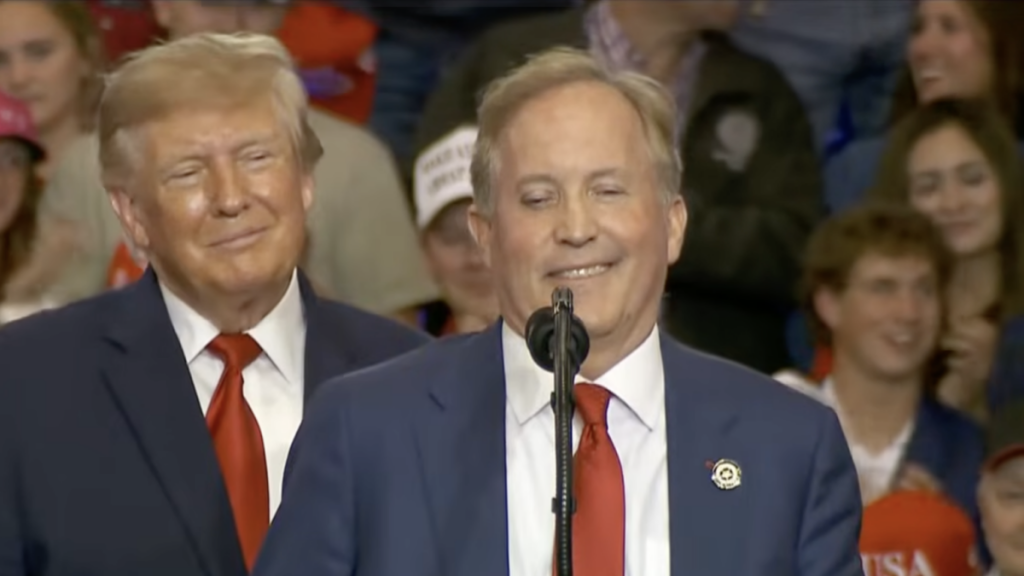
Neocons Face Reckoning
The losses sparked internal GOP finger-pointing, with Trump allies blaming hawkish advisers like former Bush speechwriter Marc Thiessen, who had predicted a “hero’s welcome” for Trump in a “free Tehran.” Instead, the party now confronts a Democratic agenda that may include court-packing, D.C. statehood, and filibuster elimination.
As Republicans assess the wreckage, some are urging a return to Trump’s original “America First” platform—arguing that only by abandoning foreign intervention can the party recover before 2028.
Source: thefederalist.com — https://thefederalist.com/2026/11/04/iran-nuked-us-after-all/