
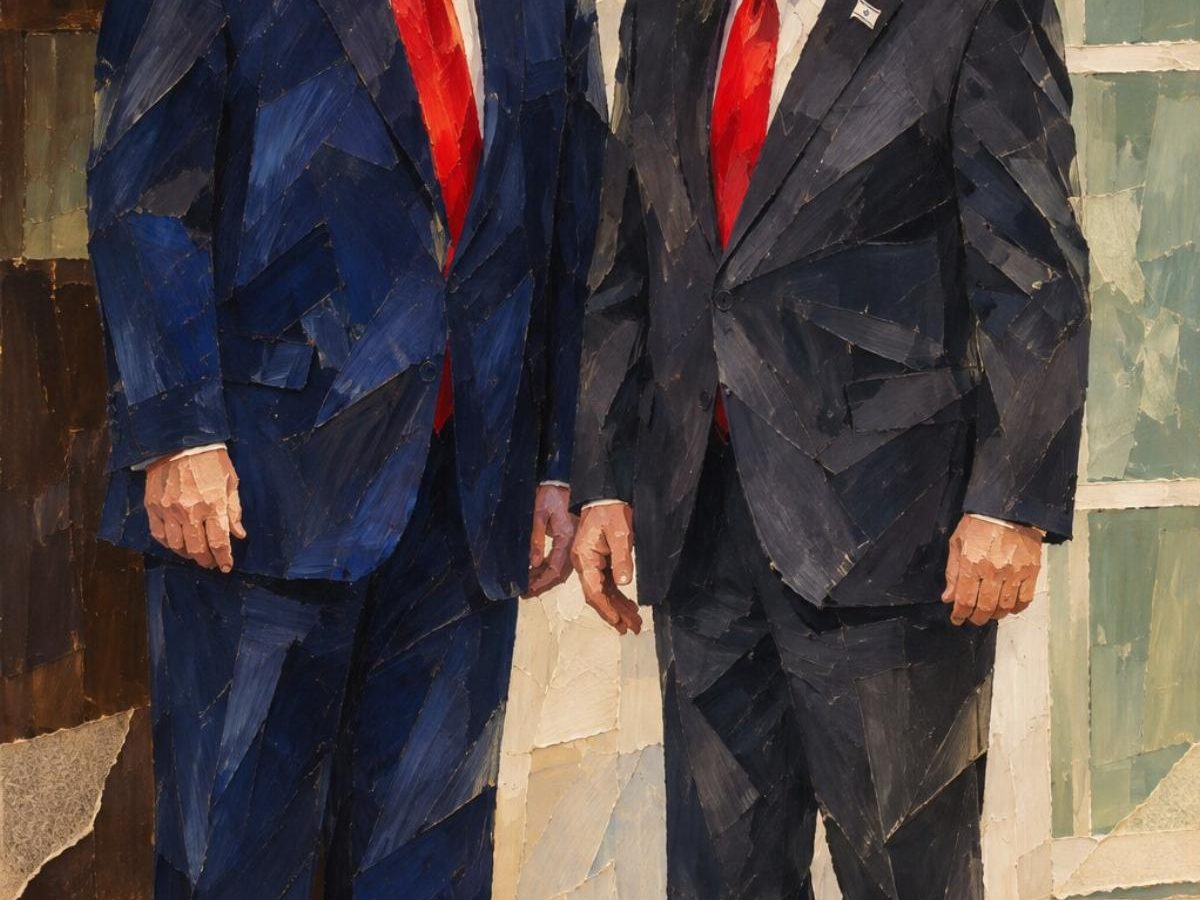
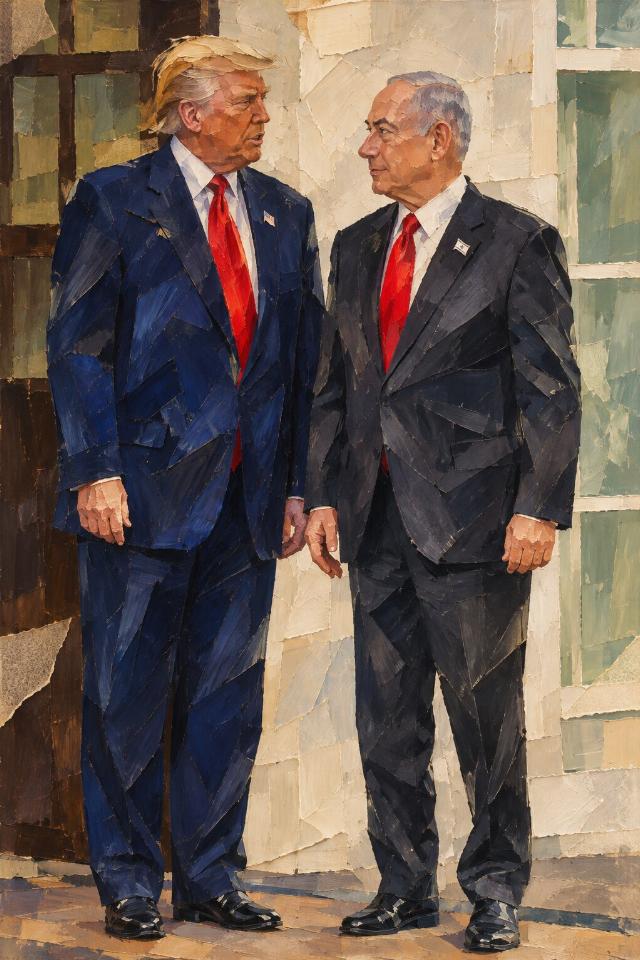
In a move that marks a significant shift in U.S.-Israel relations, President Donald Trump and Israeli Prime Minister Benjamin Netanyahu have agreed to end roughly $4 billion in annual American aid to Israel by the end of 2026. The decision, announced on the day of the 2026 midterm elections, has drawn both criticism and praise—framed by supporters as a long-overdue adjustment to Israel’s economic reality and a recalibration of American priorities.
Why Now?
The agreement, reportedly reached months before the announcement, comes as Israel’s economy has surged to parity with some of the world’s wealthiest nations. With a GDP per capita rivaling Germany’s and leading industries in cybersecurity, medical tech, and defense, Israel no longer fits the profile of a traditional aid recipient. Netanyahu himself acknowledged this shift in June 2026, stating that Israel was ready to transition from aid dependency to a more balanced partnership with the U.S.
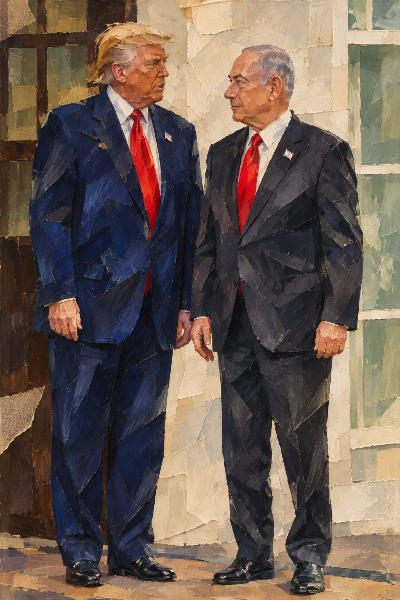
The Political Backdrop
Public opinion in the U.S. has also shifted dramatically since the 2023 Hamas attacks and the subsequent war in Gaza. A Pew Research poll from April 2026 found that 60% of Americans now view Israel unfavorably—up from 42% in 2022—with younger Republicans particularly critical. By ending direct aid, the Trump administration aims to defuse accusations that American taxpayers are bankrolling Israel’s military actions while maintaining arms sales that benefit U.S. defense contractors.
Pragmatism or Politics?
Critics argue the timing of the announcement—on Election Day—reeks of political theater. But supporters, including the author of the American Thinker op-ed, Meda Parameswara Reddy, contend that the move is a rare example of pragmatic leadership. Rather than clinging to outdated policies or using aid as leverage to dictate Israel’s actions, Trump and Netanyahu negotiated a mutual exit from the decades-old aid framework.
What’s Next?
The transition won’t be seamless. Existing agreements, including joint missile-defense programs like Iron Dome, can’t be unwound overnight. Congress, which controls the purse strings, would need to formalize the phase-out to prevent disruptions. But with most aid already spent in U.S. factories—and Israel poised to continue buying American weapons—the economic impact on both nations may be minimal. For Trump, the move aligns with his broader push to reduce foreign spending and demand more from wealthy allies. For Netanyahu, it’s a chance to rebrand Israel as a self-sufficient power rather than a perpetual beneficiary.
Whether this decision holds beyond the next U.S. election remains to be seen. But for now, it signals a new chapter in a historically fraught alliance—one where money no longer dictates the terms.
Source: www.americanthinker.com — https://www.americanthinker.com/blog/2026/11/trump-s-pragmatic-end-to-israel-s-aid/