
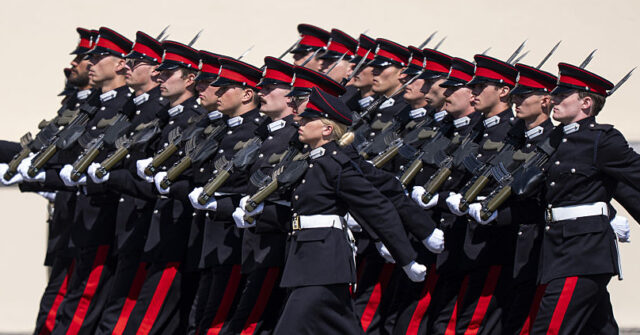
A new study has exposed a deepening generational rift in Britain over military service and national defense, with younger citizens showing significantly less enthusiasm for serving their country compared to older generations. The findings, part of the long-running British Social Attitudes Survey, suggest a crisis of national identity and social cohesion may be undermining the UK’s readiness for future conflicts.
The Generational Divide
While overall support for military service and defense spending has risen in recent years—with just 15% of Britons now dismissing its importance, down from 23% in 2023—the survey reveals a dramatic split by age. Only 20% of respondents aged 18-54 consider willingness to serve in the military important, compared to over 90% of those 55 and older. Just 8% of the oldest cohort rejected the idea outright.
Sophia Gaston of King’s College London’s Centre for Statecraft & National Security, who analyzed the data, told The Times that young Britons increasingly feel disconnected from traditional notions of national duty. “There might be a fundamentally different conception of the relationship between the individual and the nation,” she said, attributing the trend to “intergenerational unfairness” and a “lack of stake in the social contract.”
A Crisis of Belonging
The research suggests that for many young Britons, the question isn’t just about personal reluctance to serve—it’s about whether they see the nation as worth defending at all. Gaston’s report highlights how decades of demographic change, economic instability, and perceived institutional failures have eroded the bonds that once tied citizens to the state.
“This doesn’t capture personal willingness—it’s about a civic conception of personal responsibility to the nation,” Gaston explained. “Young people don’t feel they have a stake in the nation or its institutions in the way older Brits do.”
Political and Security Implications
The divide isn’t just generational—it’s political. While support for defense spending has grown across most parties, Green Party voters stand out as outliers, with 47% wanting military budgets slashed. In contrast, just 3% of Reform UK supporters share that view.
These attitudes emerge against a backdrop of heightened security concerns. Eighty-nine percent of Britons now see Russia as a threat (more than double Cold War-era levels), while 62% view China similarly. Yet as NATO and UK officials warn of a “pre-war” global climate, the data raises uncomfortable questions about whether a generation needed for national defense feels invested in the project at all.
With ethnic Britons projected to become a minority later this century—a transformation accelerated by decades of open-border policies—the study suggests the military may face not just a recruitment crisis, but a crisis of legitimacy among those it would need most in a conflict.
Source: www.breitbart.com — https://www.breitbart.com/europe/2026/11/06/young-britons-dont-feel-invested-in-country-not-interested-in-military-service-study/