
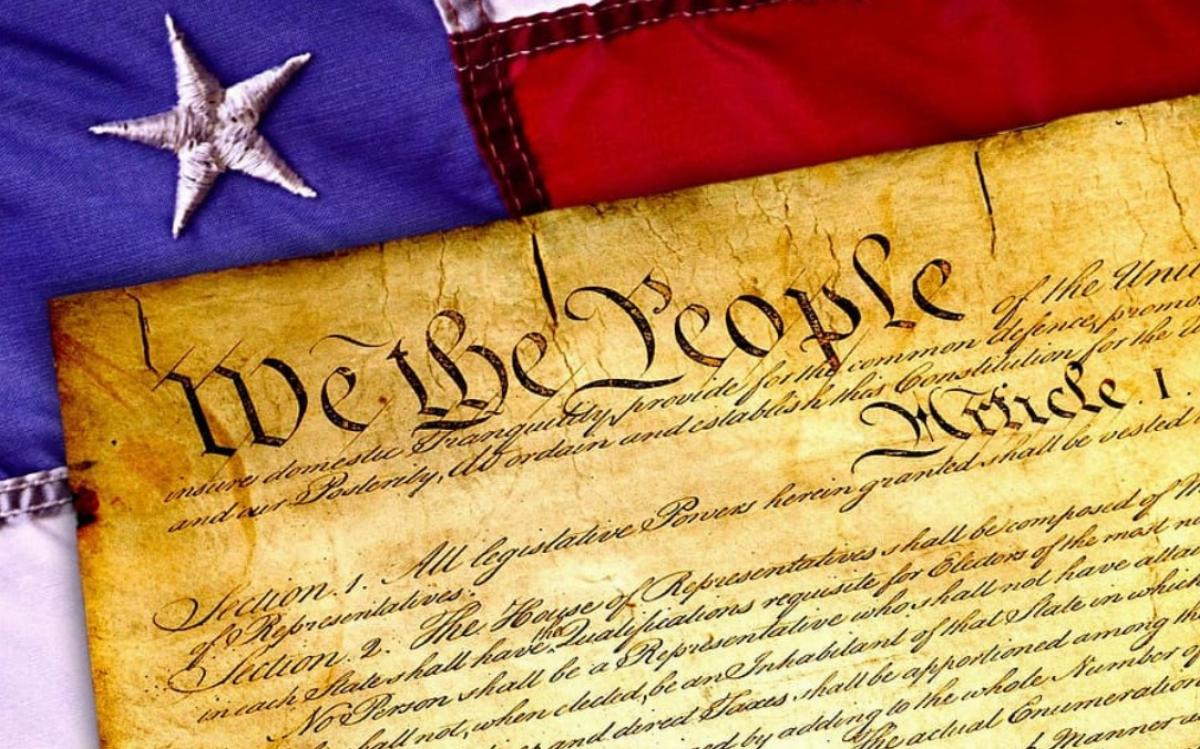
What counts as a “fundamental human right”? For most, the answer includes life, liberty, and freedom from oppression. But a new op-ed in the American Thinker argues the definition should go further—encompassing property rights, a stable monetary supply, and even the benefits of deflation.
The Unusual Additions to the Rights Checklist
John Nichols, the piece’s author, doesn’t stop at the usual suspects. He insists that true freedom requires not just the absence of tyranny but also economic systems that protect wealth creation. “The right to own property enables a high standard of living,” he writes, citing Article 17 of the Universal Declaration of Human Rights. Without clear property rights, he argues, wealth becomes meaningless—a problem he ties directly to homelessness and poverty.
More controversially, Nichols claims that a stable money supply is a human right. He takes aim at the Federal Reserve, blaming it for economic instability and even the Great Depression. “If the Fed was to bring economic stability, then why did the economy fail?” he asks, suggesting that deflation—often feared by economists—might actually be preferable to inflation.
A Free Market Fix for Society’s Ills
For Nichols, poverty and addiction aren’t just social issues—they’re signs of government failure. “Homelessness, drug addiction, poverty, and recessions indicate that the authorities are not qualified in fulfilling their responsibility,” he writes. His solution? Less government intervention, more free-market discipline. He praises businesses for creating value, contrasting them with governments that merely “take and transfer wealth.”
He also takes a swipe at political elites, suggesting that real power lies with “the money interests” rather than elected officials. “Success tends to come from whom one knows rather than what one knows,” he observes, painting a cynical picture of backroom influence.
A Call for a New Declaration
Nichols ends with a plea for a “modern declaration of freedom”—one that enshrines not just life and liberty but also economic safeguards. Whether readers agree with his libertarian-leaning take or not, his argument underscores a growing conservative frustration with monetary policy and wealth redistribution. In his view, true rights aren’t just about what the government can’t take away—but what it must protect.
Source: www.americanthinker.com — https://www.americanthinker.com/blog/2026/11/what-do-we-mean-by-fundamental-human-rights/