
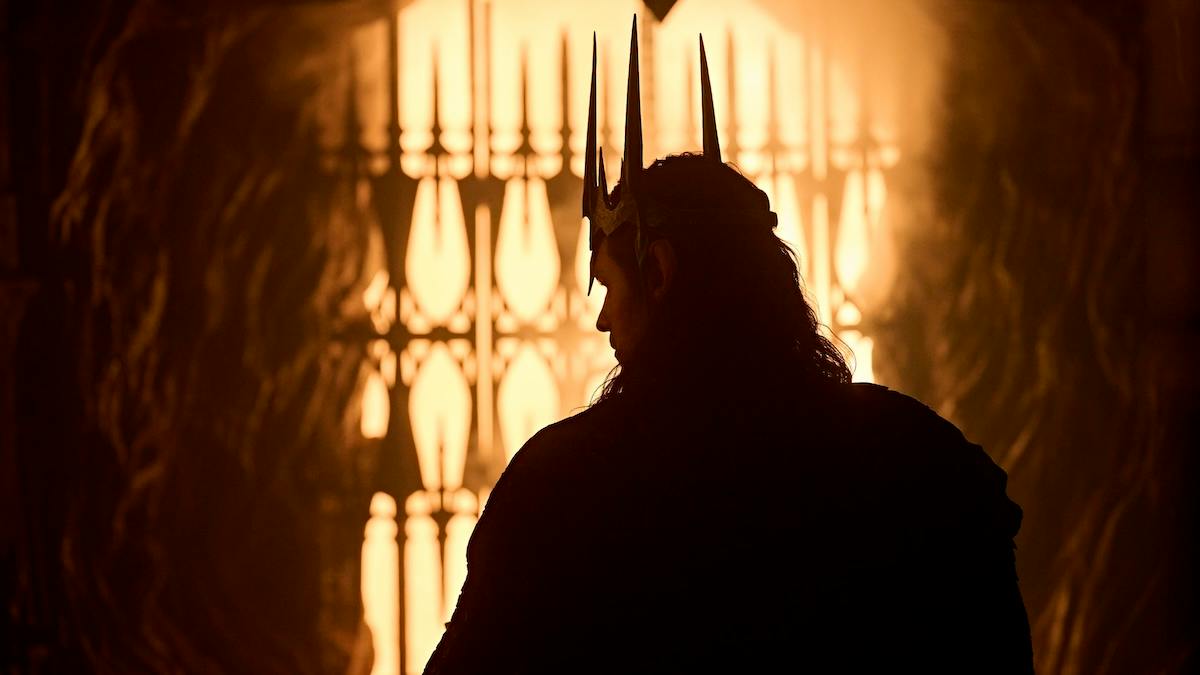
Amazon’s high-stakes fantasy series The Lord of the Rings: The Rings of Power ignited fervent debate upon its debut, pitting die-hard Tolkien fans against a lavishly produced but divisive adaptation. As Season 3 approaches, the backlash has only intensified, with critics accusing the show of straying too far from J.R.R. Tolkien’s meticulously crafted world.
The series, which cost an estimated $1 billion—the most expensive TV show ever made—was initially met with record-breaking anticipation. A teaser trailer released during the 2022 Super Bowl garnered 257 million views in 24 hours, and its premiere drew 160 million viewers. Yet despite the hype, The Rings of Power has been mired in controversy, from accusations of forced ‘woke’ storytelling to narrative choices that alienate Tolkien purists.
From Tolkien’s Pen to Amazon’s Screen: A Rocky Transition
Unlike Peter Jackson’s Oscar-winning Lord of the Rings trilogy, which adapted a complete novel, The Rings of Power pulls from Tolkien’s appendices, unpublished drafts, and historical notes—leaving ample room for creative interpretation. But that freedom has drawn ire. Elon Musk lambasted the show for its portrayal of male characters as ‘cowards or jerks,’ while Tolkien scholars argue that key elements, like the linguistic depth of names, have been ignored for superficial narrative flair.
One glaring example? The show reinvents the origin of ‘Gandalf’—originally derived from Old Norse meaning ‘wand-elf’—as a hobbit-coined nickname, ‘Grand Elf.’ Such deviations, critics argue, betray Tolkien’s reverence for philology, a cornerstone of his worldbuilding.
A Moral Universe Undermined?
Tolkien’s Catholic faith deeply informed his writing, embedding themes of redemption, sacrifice, and moral clarity. But The Rings of Power has been accused of muddying those ethics, particularly in its dramatization of Sauron’s rise. Rather than focusing on the virtues needed to defeat evil—a Tolkien hallmark—Season 1 leaned into a mystery-box ‘Who is Sauron?’ subplot, a structure better suited to a thriller than an epic rooted in mythic tradition.
‘Myth and fairy-story must reflect elements of moral and religious truth,’ Tolkien once wrote. Some argue Amazon’s adaptation has lost sight of that.

The Politics of Casting and ‘Lost England’
Perhaps the most explosive issue has been casting decisions, particularly around race and representation. While defenders argue Middle-earth should reflect modern diversity, critics see a deeper dissonance: Tolkien envisioned his legendarium as a ‘mythology for England,’ steeped in Anglo-Saxon and Norse influences. Peter Jackson’s films, filmed in New Zealand with a largely white cast, aligned visually with that intent. The Rings of Power, with its multiracial elves and hobbits, has reignited debates over cultural ownership and authenticity.
As Season 3 prepares for its debut, the question lingers: Can The Rings of Power win back disillusioned fans—or will it remain a flashpoint in the never-ending culture wars over legacy storytelling?
Source: www.dailywire.com — https://www.dailywire.com/news/the-rings-of-power-forgot-what-tolkien-was-really-building