
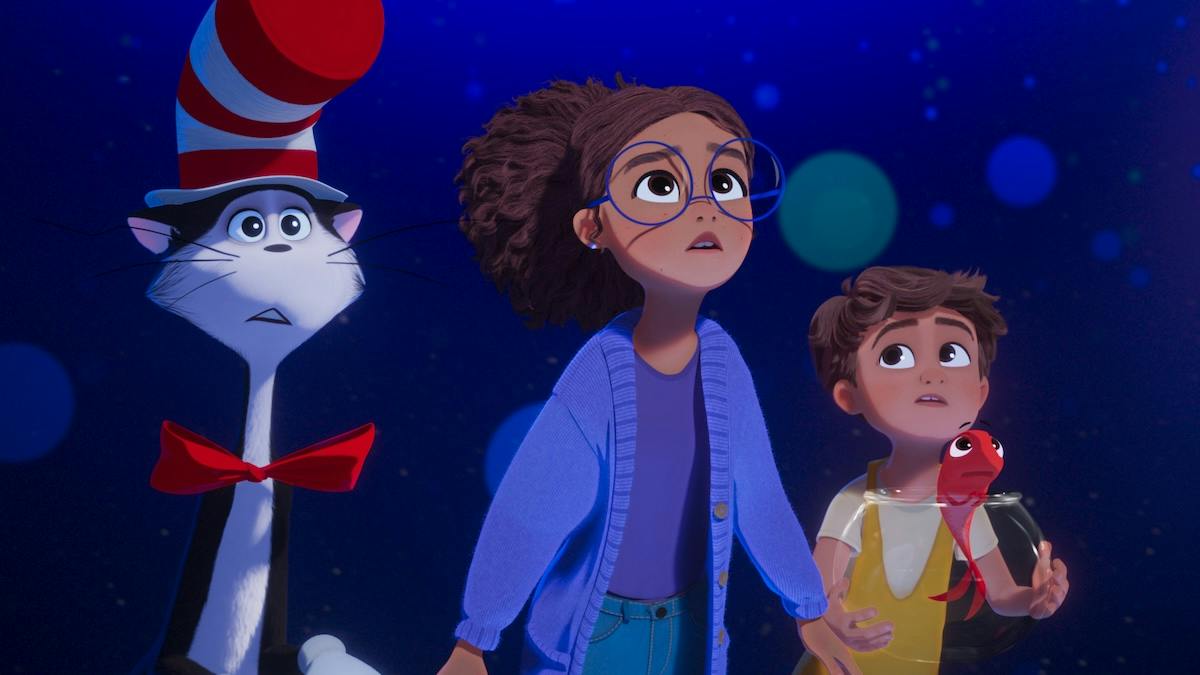
The newest adaptation of Dr. Seuss’ “The Cat in the Hat” has landed with more of a therapeutic whisper than a mischievous roar, sparking debate about the direction of modern children’s entertainment. Unlike the anarchic 2003 live-action film, this animated version—voiced by Bill Hader—leans heavily into emotional processing, with teenage protagonist Gabby grappling with depression after a family move.
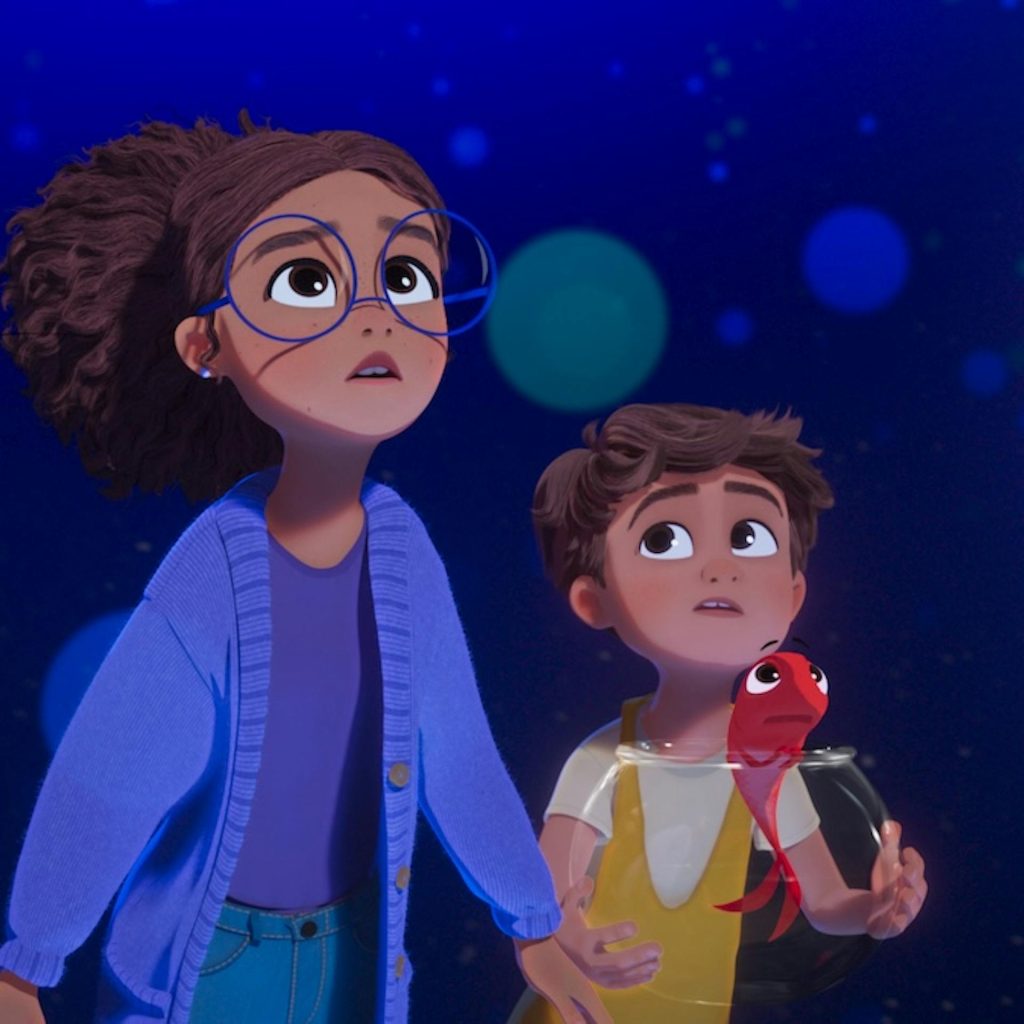
While the visual style blends vibrant 3D and hand-drawn animation reminiscent of a “child’s dream,” the plot structure represents a marked departure from Seuss’ original 1957 book. Rather than reveling in the Cat’s chaotic antics with Thing 1 and Thing 2, the story becomes a metaphor-laden journey through memory boxes that reveal family motivations—complete with a villainous “Something” that reportedly includes jump scares intense enough to frighten young viewers.

From Whimsy to Wellness
Critics argue the film exemplifies a broader trend in children’s media swapping external adventures for internal struggles. Where classics like “Toy Story” and “Finding Nemo” pit characters against tangible obstacles, recent hits like Pixar’s “Inside Out” franchise have turned narratives inward—a shift some attribute to rising “therapy culture.”

The new Cat inhabits a sprawling bureaucracy of rhyming creatures who measure their success in “happiness delivered” versus “damage inflicted”—a far cry from the original’s freewheeling troublemaker. When the siblings accidentally lose the Cat’s time machine, their scavenger hunt through magical memory boxes serves primarily as therapy session, revealing that mom moved cities “for the kids’ opportunities” all along.
A Generational Identity Crisis
With jokes about nepo babies and telenovelas flying over preschoolers’ heads, the film appears caught between audiences: too psychologically complex for toddlers, too juvenile for tweens who’d balk at Seuss adaptations. Even the climactic message—”Live, laugh, love is the only rule that matters”—reads more like targeted parental reassurance than childlike wonder.
Defenders note the film’s technical achievements and emotional payoff, particularly in a year with few standout family films. But as studios increasingly retrofit classic IP for contemporary sensibilities, this Cat’s hat may contain more pop psychology than playful imagination—raising questions about whom modern children’s stories are really serving.
Source: www.dailywire.com — https://www.dailywire.com/news/the-cat-in-the-hat-trades-dr-seuss-imagination-for-therapy-culture