
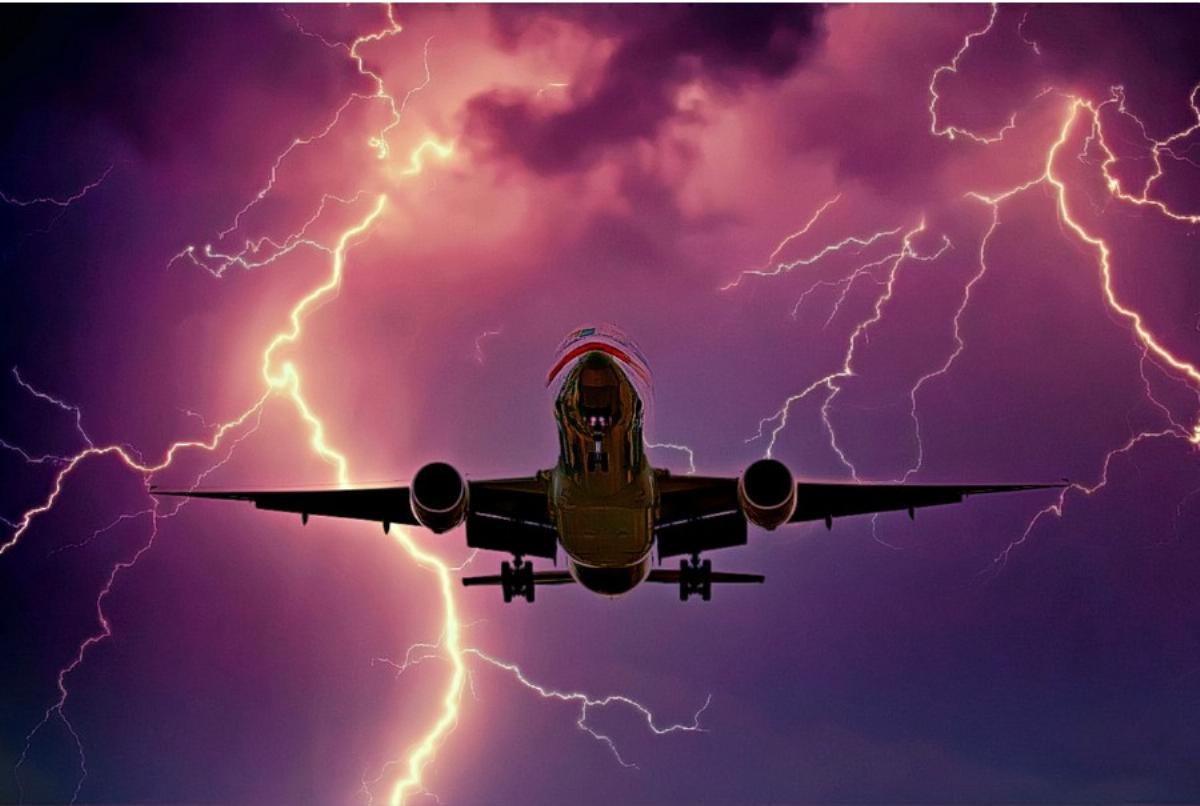
The recent Florida Learjet crash has sparked intense debate over aviation safety, weather decision-making, and crew dynamics. But according to former jet captain and aerospace executive Matthew G. Andersson, one factor outweighs all others: the unambiguous responsibility of the pilot in command (PIC).
The Buck Stops in the Left Seat
Andersson, a seasoned Learjet and Falcon captain, emphasizes that aviation law designates the PIC as the ultimate authority for flight safety. Federal Aviation Regulations grant this individual sweeping power to override even air traffic control instructions if necessary. “Every time you board an airline flight,” Andersson writes, “you’ve effectively purchased a performance contract with the captain.”
Command Lessons Beyond Aviation
The article draws parallels between cockpit leadership and other high-stakes roles—surgeons wielding scalpels, judges overseeing courtrooms, and even the U.S. president as constitutional “captain” of the nation. Andersson notes this principle extends to corporate CEOs, military officers, and agency leaders who must sometimes “deviate from group consensus” to fulfill their duty of care.
Avoidance as the Highest Skill
With reports suggesting the Learjet encountered severe weather, Andersson cites the aviation adage that superior pilots use “superior judgment to avoid situations which require superior skill.” He compares thunderstorm avoidance to geopolitical deterrence strategies, emphasizing that the most effective safety measure is often not entering dangerous situations in the first place.
While the NTSB investigation continues, Andersson’s commentary refocuses the discussion on a foundational aviation tenet: when lives are at stake, someone must bear unambiguous responsibility—and in the cockpit, that someone is always the pilot in command.
Source: www.americanthinker.com — https://www.americanthinker.com/blog/2026/11/the-command-issue-in-the-florida-learjet-accident/