
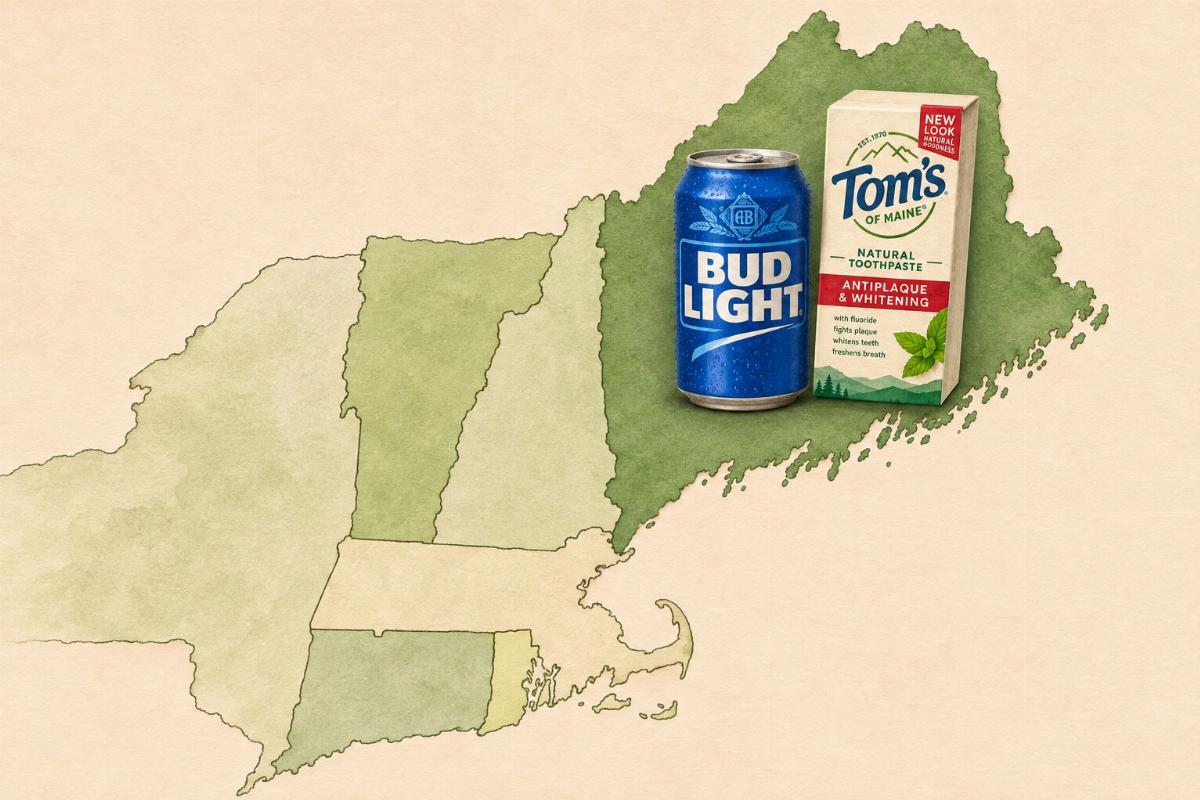
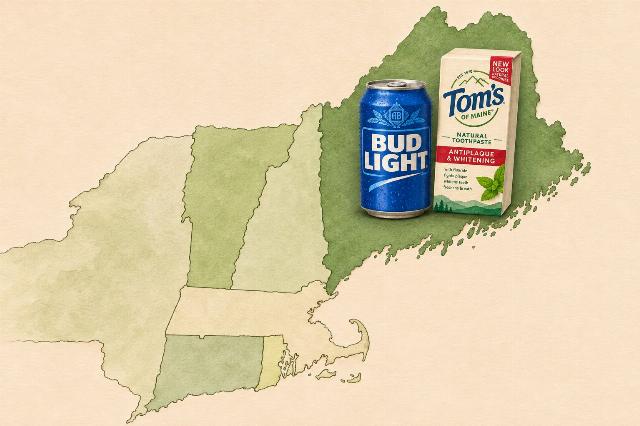
When companies and governments decide they know better than their customers or citizens, the results are often messy. Bud Light’s controversial collaboration with transgender influencer Dylan Mulvaney, Tom’s of Maine’s sweetened toothpaste formula, and the demographic transformation of Maine under refugee resettlement policies all share a common theme: top-down reinvention that ignored what the existing audience actually wanted.
Bud Light’s Fratty Image Was Never Its Problem
In 2023, Bud Light’s then-VP of marketing Alissa Heinerscheid declared the brand too “fratty” and in need of an inclusivity makeover. Partnering with Dylan Mulvaney, a transgender social media personality, seemed like a bold step toward that goal—until customers revolted. The backlash wasn’t just online outrage; it tanked sales so badly that Heinerscheid left the company. Critics argued Heinerscheid misunderstood her audience: Bud Light’s traditional drinkers weren’t clamoring for a cultural overhaul; they just wanted cold beer without a side of corporate activism.
Tom’s of Maine Had a Winning Formula—Until It Didn’t
A similar fate befell Tom’s of Maine in 2025, when the company decided its renowned Spearmint and Peppermint toothpastes—beloved for their natural simplicity—needed improvement. By adding stevia-based sweeteners, Tom’s alienated longtime fans who preferred the original, unsweetened taste. The backlash was swift: loyal customers felt their preferences had been ignored in favor of an unnecessary pivot toward mass-market appeal. Corporate executives had mistaken brand loyalty for stagnation—an error that left shoppers questioning why something so simple had to be complicated.
Maine’s Identity Shift: Who Asked for This?
On a much larger scale, Maine’s demographic transformation under federal refugee resettlement policies has sparked similar frustrations. Once known for its rugged coastline, lobsters, and overwhelmingly white population, the state saw a rapid influx of Somali refugees starting in the early 2000s. While officials celebrated Maine becoming more diverse, many residents—including Lewiston’s mayor—raised concerns about strained public resources and cultural displacement. State leaders dismissed these concerns as bigotry, deepening resentment among those who felt their communities were being remade without their input.
These three examples—Bud Light, Tom’s, and Maine—highlight a recurring disconnect between elites and the people they serve. Whether it’s marketing teams, corporate executives, or policymakers, the assumption that change must always mean progress overlooks a crucial truth: sometimes, people just want the things they already like to stay the same.
Source: www.americanthinker.com — https://www.americanthinker.com/articles/2026/11/bud-light-tom-s-toothpaste-and-the-reinvention-of-maine/