
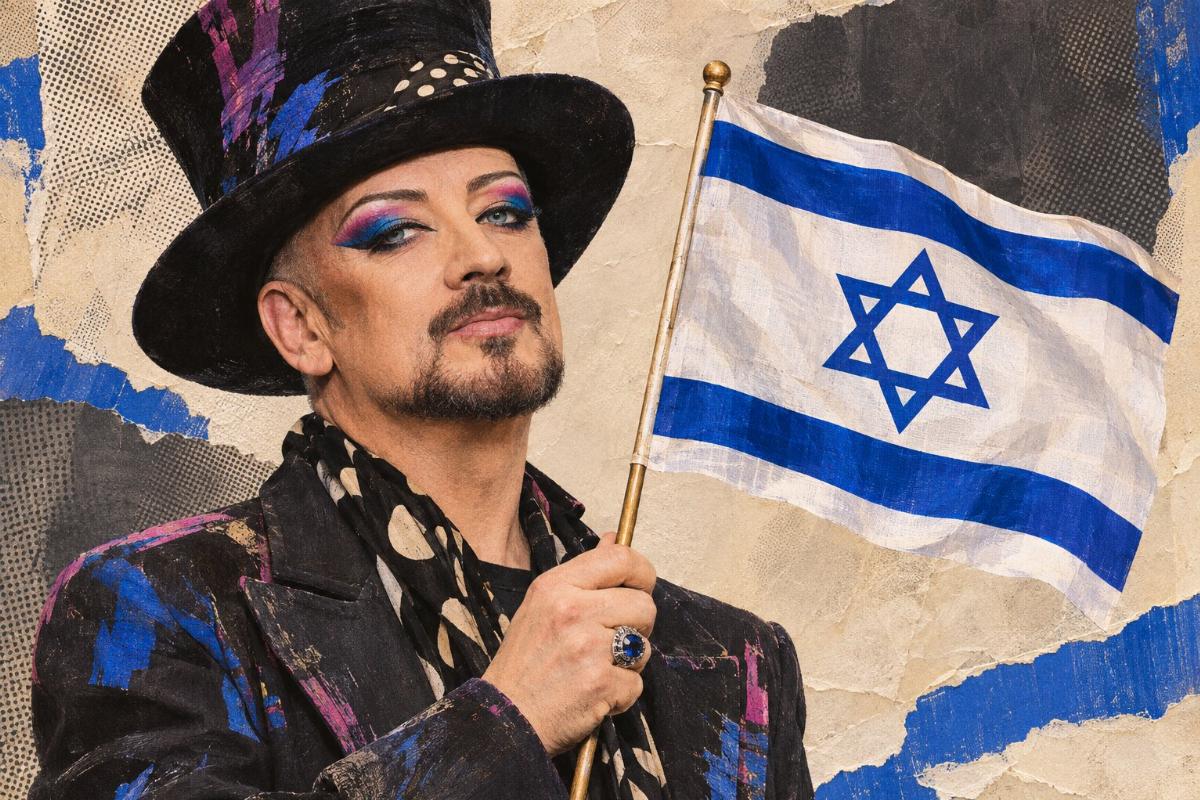
Boy George, the flamboyant Culture Club frontman whose androgynous style and chart-topping hits defined 1980s pop culture, has emerged as an unlikely defender of Israel in the wake of the October 7 Hamas massacre—a stance that has cost him friendships and placed him squarely in the crosshairs of contemporary cultural battles.
From Glam Rock to Moral Courage
In a striking turn for an artist once synonymous with hedonism, Boy George recently penned “We Will Dance Again,” a song directly addressing the atrocities of October 7. The lyrics pull no punches: “Young girls raped against trees/Murdered brutally/For the crime of dancing.” The chorus delivers an unequivocal message: “But if you’re ever confused—I stand with the Jews.”
This wasn’t performative activism. Last week, the singer traveled to Israel at the invitation of the World Jewish Congress, meeting with survivors and families of the Nova Music Festival attack. He performed two sold-out shows in Tel Aviv—reserving 1,500 tickets for victims’ families—and visited the Western Wall and Museum of Tolerance.
The Backlash Begins
The cultural whiplash is undeniable. The same artist who once embodied the excesses of the 1980s London club scene—arrests for drugs, a conviction for false imprisonment—now finds himself ostracized by former allies for his pro-Israel stance. As the American Thinker piece notes, he “willingly put a target on his back, lost friends, and stepped smack dab into the middle of the most dangerous fight in the world.”
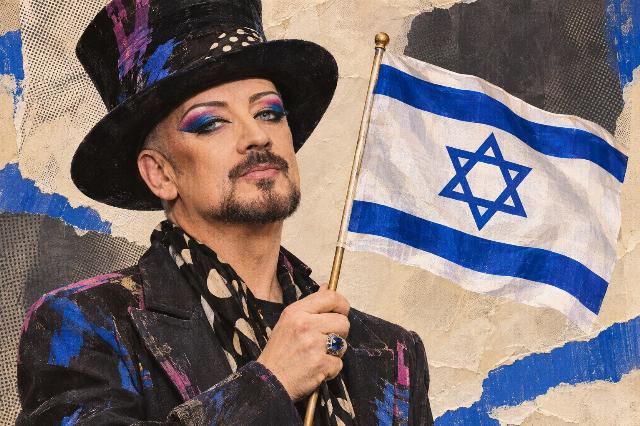
What makes his transformation particularly striking is the contrast with other public figures. While some conservative commentators have drifted into what the article calls “Trump Derangement Syndrome” and antisemitic conspiracies, this flamboyant pop icon has become an unexpected voice of moral clarity.
An Unlikely Redemption Arc
The article’s author, Susan D. Harris, recounts her own history with the singer—from sneaking across the Canadian border as a teenage fan to her later disillusionment with his lifestyle. Yet she finds hope in his current stance: “Whatever he’s done before, or whatever he does in the future, one thing is certain—he stood up when it counted the most.”
It’s a remarkable second act for an artist whose career seemed defined by scandal. The man who once sang about karma now appears to be living by a different principle: the courage to take an unpopular stand when it matters most.
Source: www.americanthinker.com — https://www.americanthinker.com/articles/2026/11/the-debauched-80s-icon-who-found-his-voice-when-it-mattered-most/