
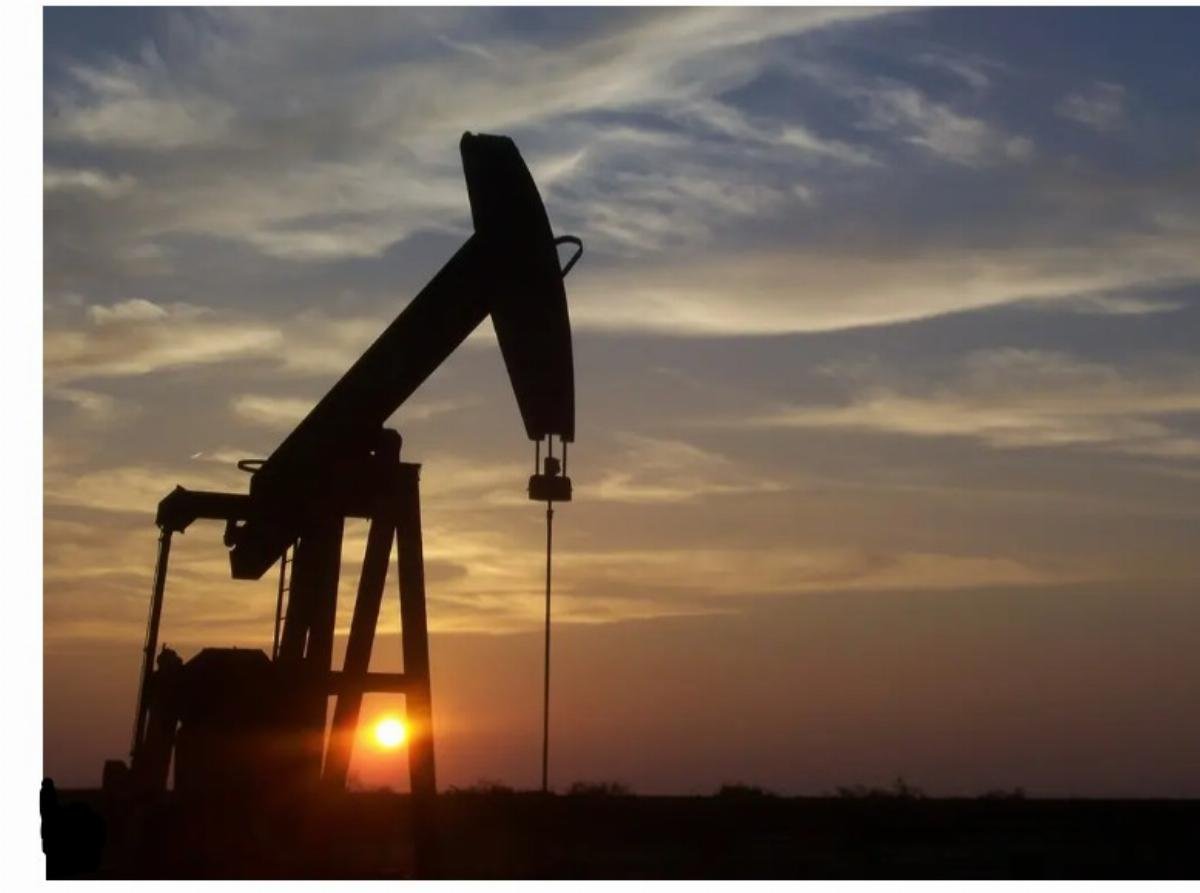
When President Trump announced late Friday that the United States had secured majority control of more than 65 billion barrels of Venezuela’s proven oil reserves, he framed it as a historic win — “at no cost to the American Taxpayer,” in his words. Secretary of State Marco Rubio and Secretary of War Pete Hegseth, working with Venezuela’s interim president Delcy Rodriguez and private business partners, closed the deal.
On its face, the arrangement looks like a geopolitical coup. It would make the United States the world’s dominant oil power, dwarfing Russia, Iran, and OPEC. It would give the U.S. Navy secure fuel access. It would deal a blow to China’s energy security and pressure Canada. It could even spell the end of OPEC, since Venezuela — a founding member — may pull out, freeing U.S. companies from quota constraints and potentially driving oil prices to $10 or $26 a barrel, according to analysts cited by American Thinker.
A broken oil industry, a rare opening
Venezuela’s oil sector has been in ruins for years, the product of mismanagement under the late Hugo Chávez and former president Nicolás Maduro, who was ousted in January. Since then, the Trump administration has pushed U.S. companies to invest, but many have been hesitant. The new deal gives Washington a foothold in some of the world’s most promising oil-and-gas fields — the country claims about 300 billion barrels of proven reserves versus roughly 46 billion in the United States.
The historical resonance is strong. It was American companies that first developed Venezuela’s oilfields in the 1920s, and the two countries once enjoyed a natural alliance. The deal could restore that relationship, reviving Gulf refineries configured for heavy Venezuelan crude and giving the Navy — long Venezuela’s biggest American buyer — a steady supply.
Markets are anticipatory, supporters note, and development often moves faster than forecasts suggest, as seen when Alaska’s reserves were opened during Trump’s first term.
Critics cry foul: a deal with the devil
But skepticism runs deep, particularly among Venezuelan opposition voices with deep knowledge of the oil industry. Pedro Mario Burelli, a prominent critic, has written that no one knows the terms of a deal that would hand the U.S. 20% of Venezuela’s proven reserves — and that without explicit investment commitments from U.S. companies, it may amount to little more than “vaporware.”
The deeper problem, critics say, is who the deal was made with. Rodriguez, who became interim president after Maduro’s ouster, is widely seen as illegitimate — elected through cheating, with a transition term that has already expired. Her administration’s response to the June 24 earthquake, which killed tens of thousands, has been widely condemned. By her side stands Diosdado Cabello, a figure accused of drug trafficking, of once sending a hit team to kill then-Senator Rubio, and of blocking U.S. aid workers from rescuing earthquake victims.
The deal was also brokered by Alejandro Betancourt, a businessman wanted in Switzerland for money laundering, known locally as a “Boligarch” who profited from Chavista patronage schemes and built housing units that collapsed in the June earthquakes.
The risk of entrenching a broken regime
The most serious warning is that the Venezuelan people are being left out entirely. Billions in oil revenue, critics argue, will pad the coffers of an entrenched regime rather than rebuild the economy or advance democracy. That could incentivize sabotage or worse, particularly since the oilfields are poorly patrolled — and Uncle Sam may be called in to maintain order if American companies are to invest.
There is also the question of whether oil money itself could harm Venezuela’s broader economy — the so-called “Dutch disease,” which Venezuelans have long called “the devil’s excrement.” One remedy, dollarization, is being pushed in Venezuela’s legislature by semi-opposition figures, who have consulted Johns Hopkins monetary expert Steve Hanke. If adopted, dollarization could end the country’s persistent hyperinflation and protect non-oil industries like coffee, chocolate, and rum. But that idea is far from guaranteed.
What happens next?
Supporters see a genuine win-win: the U.S. gets energy dominance and military security; Venezuela gets investment, cash, and a chance at economic recovery. Rodriguez “is ready to give Washington almost everything in exchange for securing her seat for the long term,” as one observer put it.
But as Daniel Duquenal notes, Venezuela remains “a ruined and oppressed country.” The deal’s transparency is questionable, its terms unclear, and its long-term viability depends on political stability that has been absent for decades. Unless a genuine democratic transition follows, analysts warn, the arrangement may be battered or upended by instability as angry Venezuelans turn to angrier methods than protest.
For now, the United States has made a bet — that controlling the world’s largest proven oil reserves is worth doing business with a government many regard as illegitimate, corrupt, and unpopular. Whether that bet pays off will depend on whether the regime can be trusted, and whether the oil boom America hopes for materializes before the discontent boils over.
Source: www.americanthinker.com — https://www.americanthinker.com/blog/2026/08/venezuela-did-trump-just-make-a-deal-with-the-devil/