
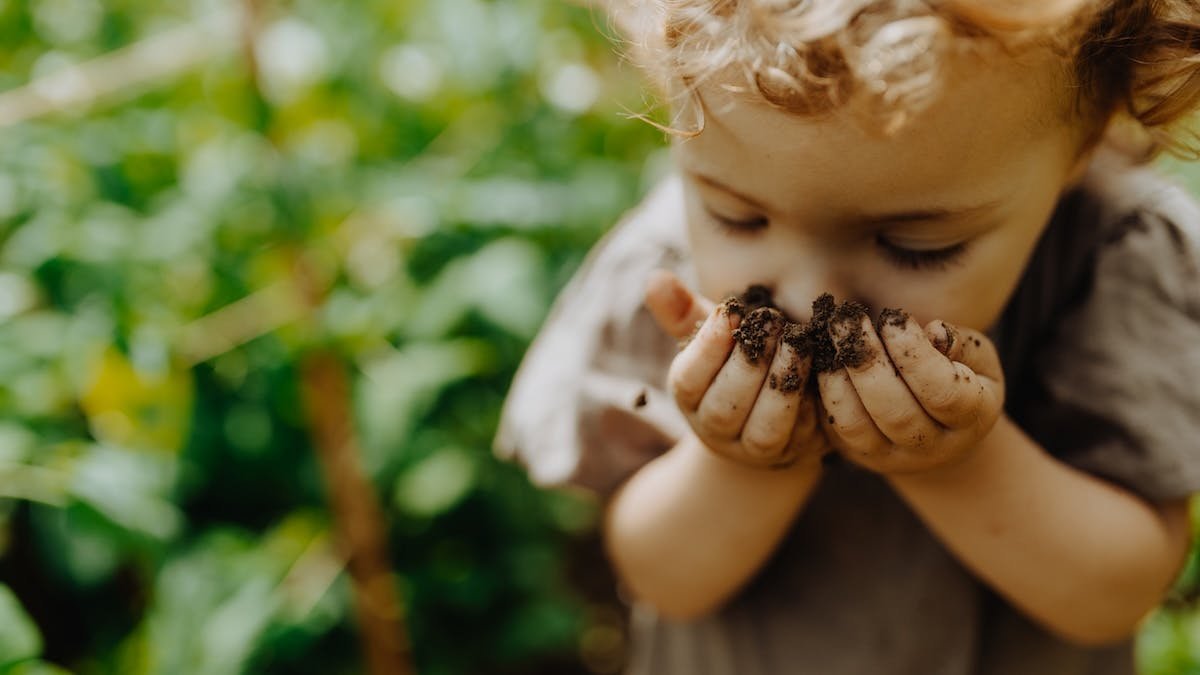
Dirt on the kitchen floor is a good sign, according to Danielle Franz, CEO of the American Conservation Coalition. In a personal essay published by The Daily Wire, Franz explains why she is raising her 17-month-old son, Calvin, to love nature through hands-on experience rather than climate anxiety—and why she believes that approach is the key to lasting conservation policy.
Franz, who leads a nationwide grassroots conservation network, writes that she sees a clear divide between young people who spent time outdoors as children and those who were raised on climate catastrophe curriculum. “I can tell within 10 minutes who spent time outside as a kid,” she says. “Those are the ones who feel responsible for a place and take action. The others just feel guilty about existing.”
Guilt vs. Conviction
Franz argues that climate guilt is “cheap, useless,” and burns out young activists, who often move on to another cause within three years. Instead of fostering guilt, she says, parents should foster conviction—a sense that the land is a national inheritance to be protected. “Affection cannot be assigned,” she writes. “When we indoctrinate a child into caring for the land instead of letting him find it himself, he becomes compliant. But conviction works better than compliance.”
Her organization, she notes, has deliberately built its strategy around grassroots love of place rather than betting on Washington policy cycles. “Policy may come from Capitol Hill, but the conservationists who write it are made outdoors,” Franz writes. “The problem is, we are making fewer of them every year.”
Alarming Trends in Outdoor Time
Franz cites a Centers for Disease Control and Prevention study of 2021 survey data showing that nearly four in 10 children aged 3 to 5 get an hour or less of outdoor time on a typical weekday. Fewer than half get even three hours on weekend days. She attributes the decline to screens and to childhood becoming more structured, with kids “supervised, programmed, and scheduled nearly all of their waking hours.”
She also points to broader cultural shifts, referencing The Atlantic’s reporting on how a safety preoccupation has stripped childhood of independence and risk-taking without making it safer. That risk-aversion, she argues, now shapes environmental education: “Children learn to feel guilty about nature before they ever learn to like it.”

Hunters and Anglers as Conservationists
Franz points to the tangible contributions of hunters and anglers as evidence that love of the outdoors translates into conservation results. “Last year alone, hunters and anglers put roughly $1.3 billion into state wildlife conservation through Pittman-Robertson and Dingell-Johnson excise taxes,” she writes. “No one shamed them into it.”
She frames outdoor recreation as a habit that pays for itself, noting that an afternoon in the woods or on the water becomes a funding stream through licenses and tags.
Record Participation—and a Warning
There is some good news in the data: Franz notes that outdoor recreation participation hit a record last year, with youth participation rising 5.6 percent. But she cautions that the trend could become a passing fad “if we fail to cement it,” and she sees parents as the key to making it stick.

For Franz, that means practical, low-cost action. “None of this is complicated. It is a habit, and habits are set at home,” she writes.
An Environmental Agenda for Parents
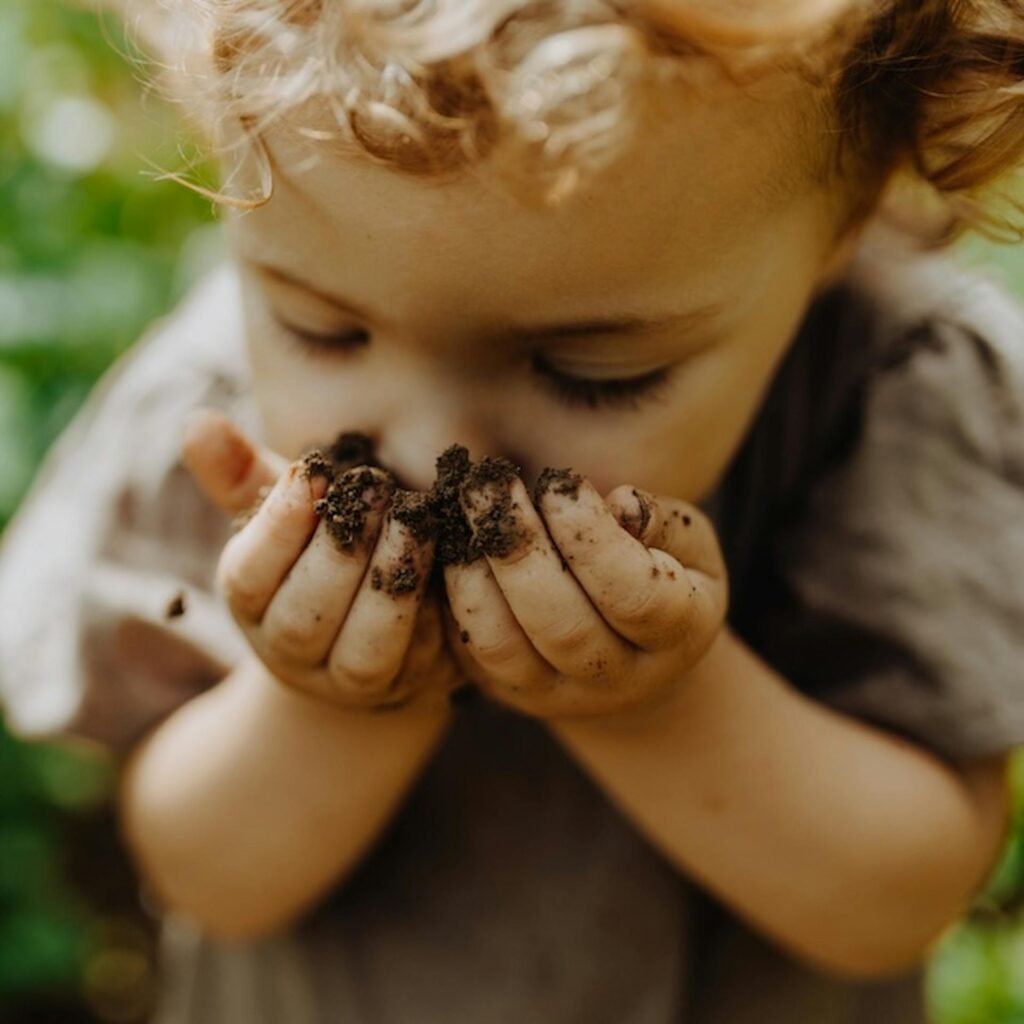
Franz closes her essay with a call to action for parents—one that doesn’t involve buying books or signing petitions. “Take a child outside this week. Do not actively teach him anything. Let him get muddy, and let him track it back into your kitchen.”
She concludes that the simple act of getting kids outdoors will do more for conservation than any government program. As her son Calvin grows, she says she wants him to love the land before he can name it—and eventually, to notice when the creek runs low.
Franz’s essay is part of Upstream, The Daily Wire’s lifestyle and culture section. The American Conservation Coalition did not respond to a request for additional comment on this piece, which reflects the author’s personal views.
Source: www.dailywire.com — https://www.dailywire.com/news/why-i-dont-worry-about-my-kids-carbon-footprint