
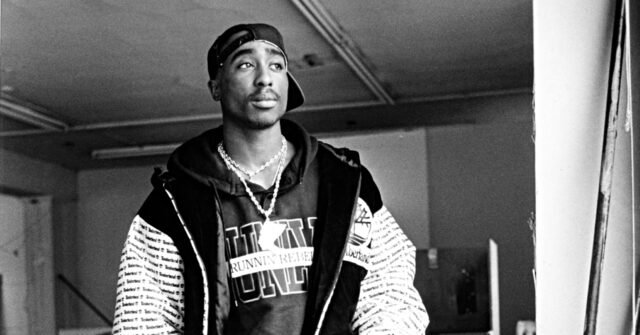
For nearly three decades, the killing of Tupac Shakur stood as one of hip-hop’s most enduring mysteries — a case defined by reluctant witnesses, deceased suspects, and lingering doubts about accountability. That mystery came to a close on Monday when a Las Vegas jury convicted Duane “Keffe D” Davis of first-degree murder with use of a deadly weapon in the 1996 shooting death of the rap icon.
Davis, 63, now faces the possibility of life in prison. After deliberating for less than three hours, the jury reached its verdict, and Judge Carli Kierny ordered Davis held without bail. His sentencing is scheduled for Oct. 13, and Davis has already indicated his intention to appeal.
The conviction marks the first in Shakur’s killing, nearly 30 years after the 25-year-old superstar was gunned down while riding in a car near the Las Vegas Strip. But the path to this moment was anything but straightforward — and the evidence that secured the verdict came, in large part, from the defendant himself.
The Case Against Keffe D
Prosecutors did not allege that Davis was the triggerman in the Sept. 7, 1996, shooting that killed Shakur and wounded Death Row Records co-founder Marion “Suge” Knight. Instead, their case rested on Davis’s own repeated admissions that he was inside the white Cadillac from which shots were fired, and that he played a central role in organizing the attack.
According to the prosecution, the shooting was retaliation for an earlier altercation that night at the MGM Grand, where Shakur and Knight’s entourage beat Davis’s nephew, Orlando “Baby Lane” Anderson. Davis, prosecutors argued, obtained a gun, passed it to the backseat of the Cadillac, and helped orchestrate the deadly response.
Under Nevada law, aiding or abetting a murder carries the same criminal liability as pulling the trigger. Chief Deputy District Attorney Binu Palal acknowledged during closing arguments that details in Davis’s accounts varied over the years, but insisted that the core narrative remained consistent.
“The core facts remain. The material facts remain,” Palal told jurors.
The jury agreed, convicting Davis of first-degree murder with use of a deadly weapon.
Davis’s Own Words as the Centerpiece
Some of the most damaging evidence against Davis came from his own mouth. In a 2008 interview with law enforcement — conducted while authorities were investigating the 1997 killing of Shakur’s rap rival, The Notorious B.I.G. — Davis described riding in the front passenger seat of the Cadillac with three other men, including his nephew.
He said he spotted Shakur and Knight in their BMW, made a U-turn, and pulled alongside them. “If we would have been on my side, I would have blasted,” Davis told investigators. Instead, he said, he passed the gun to the backseat, where a fatal shot was ultimately fired.
Davis later repeated similar accounts in documentaries, interviews, and his 2019 memoir, “Compton Street Legend.” Prosecutors played jurors an interview in which Davis promoted the book as a way to get the “real truth.”
While some details shifted over time — including who fired the fatal shot — Davis consistently placed himself inside the Cadillac and acknowledged his role in providing the weapon. Prosecutors hammered that consistency, arguing that the crucial facts never changed.
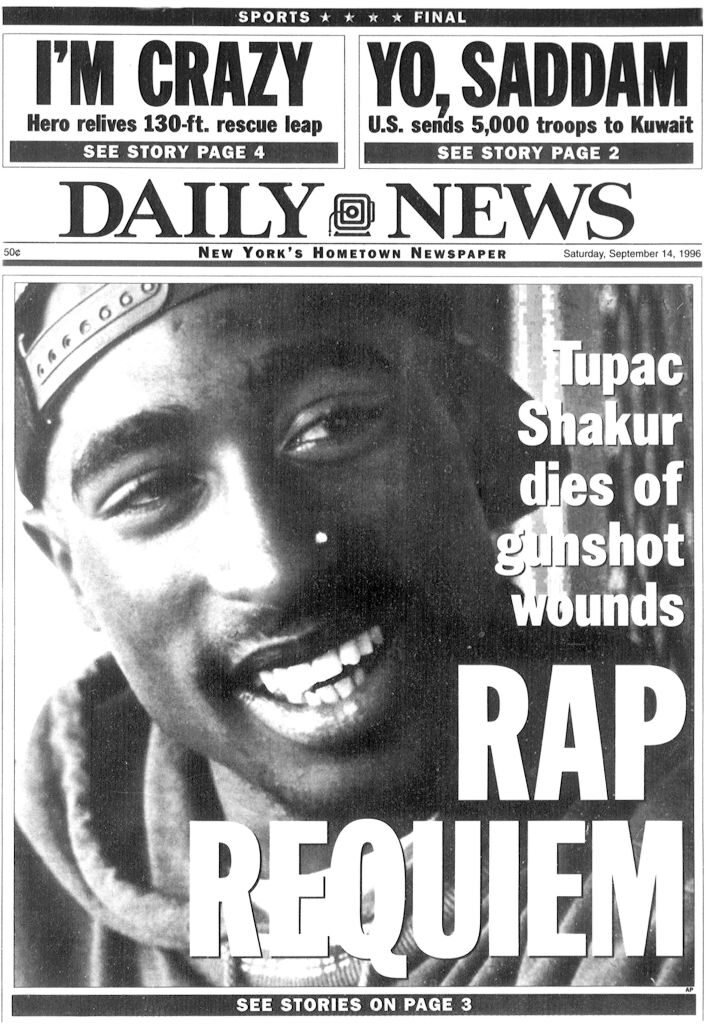
A Three-Decade Wait for Justice
Law enforcement long suspected that Shakur’s killing was tied to the MGM Grand altercation, but building a prosecutable case proved elusive. Witnesses were reluctant to cooperate, Knight never provided investigators with a account that led to charges, and several individuals believed to have been in the Cadillac died in the years following the shooting.
Davis’s 2008 interview with federal authorities came under an off-the-record agreement, and he spoke again with Las Vegas police in 2009 under unusual circumstances that complicated whether his statements could be used in court. But by speaking publicly about the killing — in interviews, documentaries, and his memoir — Davis effectively waived the protections that had shielded his earlier remarks, prosecutors argued.
A renewed Las Vegas police investigation eventually led to Davis’s arrest in 2023, nearly three decades after Shakur’s death.
Defense Pushes Back
Defense attorney Michael Sanft asked jurors to reject the very testimony prosecutors considered their strongest evidence. He argued that Davis had exaggerated or fabricated his involvement for money and notoriety, calling his client’s statements braggadocio and fiction rather than confessions.
More critically, Sanft asserted that investigators had failed to independently prove Davis was even in Las Vegas on the night of the shooting. He pointed to the absence of surveillance footage, phone records, or any physical or documentary evidence placing Davis in the vehicle.
“They have nothing in this case that says that man was here in Las Vegas on Sept. 7, 1996,” Sanft told the jury during his closing argument.
Sanft also attacked the integrity of the decades-old investigation, citing missing records, questionable police practices, and the involvement of multiple law enforcement agencies. He argued that the prosecution’s case was built on an unreliable foundation.
Prosecutors countered that Davis’s admissions did not require independent corroboration if the jury found them credible. They also pointed to circumstantial evidence supporting his account — the MGM Grand beating, the gang rivalry between the groups, and testimony about events leading up to the shooting.
What Happens Next
Immediately after the verdict, Judge Kierny ordered Davis held without bail while he awaits sentencing on Oct. 13. Davis raised his hand and asked for the return of his jewelry, phone, and other belongings.
“And I would like to appeal this matter,” Davis told the judge. Kierny informed him that an appeal would follow sentencing.
Prosecutors also voluntarily dismissed an additional prison sentence related to gang activity after the verdict, citing logistical issues involving a witness. That move eliminated the need for jurors to consider an extra phase of the case.
The conviction brings a long-awaited measure of accountability in one of music history’s most notorious unsolved murders — though Davis’s anticipated appeal means the legal fight is far from over.
Source: www.breitbart.com — https://www.breitbart.com/entertainment/2026/09/01/what-to-know-about-the-evidence-that-led-to-keffe-ds-conviction-in-tupac-shakurs-1996-killing/