
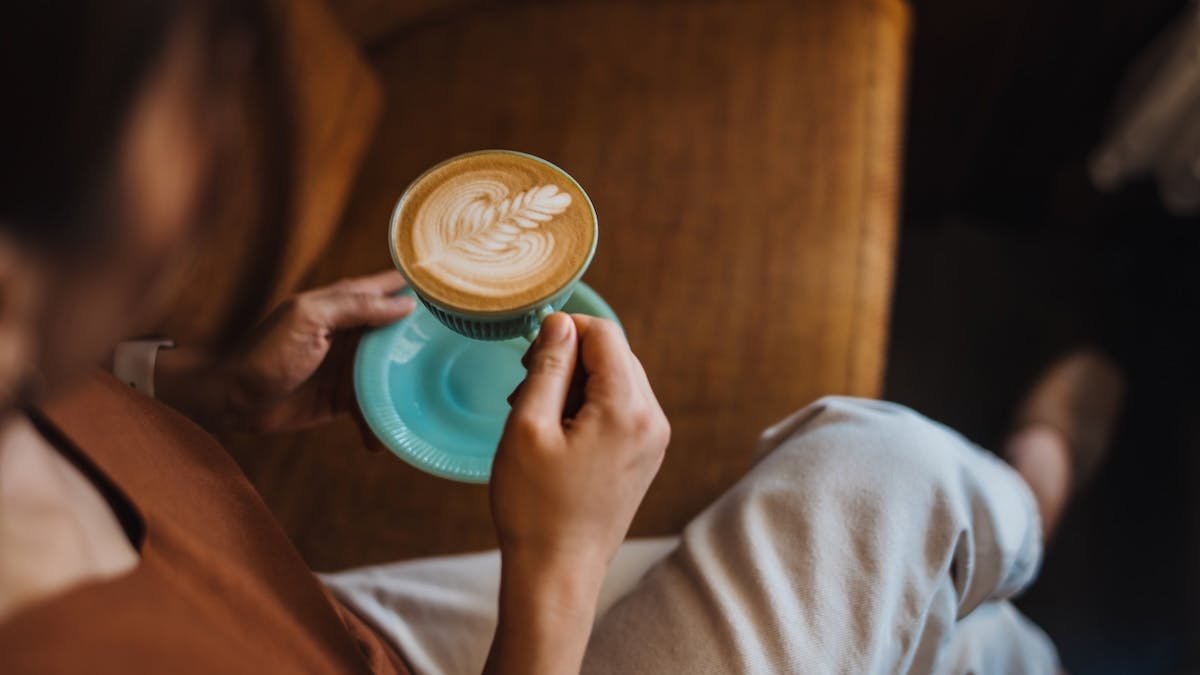
Before you roll your eyes at the young professional dropping $8 on a lavender oat-milk latte, consider this: It was never really about the coffee.
That’s the argument put forward in a recent Daily Wire piece examining the generational habit of pricey artisanal coffee purchases. While critics often frame the expenditure as frivolous—especially amid rising living costs—the article suggests the spending reflects deeper cultural shifts around community, craftsmanship, and the search for human connection in an increasingly digital world.
From Booze to Beans
The article traces coffee’s long evolution from a religious and social ritual to a morning necessity. It notes that coffee was originally consumed at night by Yemeni Muslims in the 15th century to stay awake for prayers. As it spread through the Ottoman Empire and later Europe, coffeehouses became gathering spots for conversation.
Historians have even linked the rise of European coffeehouses to the Enlightenment, providing a sober alternative to the beer, ale, and wine that had been typical breakfast beverages. It wasn’t until the Industrial Revolution that coffee became tied to the morning routine, as factory workers needed to wake up at set times. By the 20th century, advertising cemented coffee as an essential part of breakfast.
The Modern Coffee Boom
Fast-forward to today: The U.S. now has around 45,000 coffee shops, a number that grew by about 6% in the past year alone. The coffee industry has expanded by $10 billion since before the pandemic. Nashville alone has nearly 400 spots to grab a drink.
So why the explosion? The article points to what it calls the three waves of modern coffee. The first made coffee a household staple. The second, driven by chains like Starbucks and Dunkin’, turned coffee into a displayed status symbol—helped along by social media’s demand for latte art. The third wave elevated coffee to an artisanal product, with consumers valuing sourcing and technique much like wine enthusiasts appreciate a sommelier.

The article argues that for many, particularly younger generations, the coffee shop itself has become the draw—a place to work, socialize, or simply escape.
The ‘Third Place’ Theory
This is where the concept of the ‘third place’ comes in. Sociologist Ray Oldenburg coined the term in his 1989 book The Great Good Place, describing the spaces—beyond home and work—where people gather just because they want to. Historically, those were malls, churches, community centers, diners, and parks. Many of those have faded as gathering spots.
Coffee shops, the article suggests, have filled that void. As work becomes more virtual and traditional social spaces dwindle, coffee shops offer a tangible excuse to leave the house, meet a friend, or interact with others. The price of a latte, in that sense, functions as an ‘admission fee’ for a seat in a community space.

The article quotes a New York magazine report from earlier this year describing ‘a caffeine-laced strawberry-açai drink’ as a ‘status symbol’ among New York’s teen elite.
Beyond the Price Tag
While acknowledging the cost, the article pushes back against the idea that young adults are choosing lattes over mortgages. Instead, it frames the choice as between a drink at the office and an ‘excuse for fresh air, change of scenery, and human interaction.’
The author admits to starting the research intending to criticize the spending, but concluded that the habit may reflect a craving for craftsmanship, local business, and simply slowing down.
The piece is part of Upstream, The Daily Wire’s culture and lifestyle section.
Source: www.dailywire.com — https://www.dailywire.com/news/what-gen-zs-expensive-latte-habit-really-means