
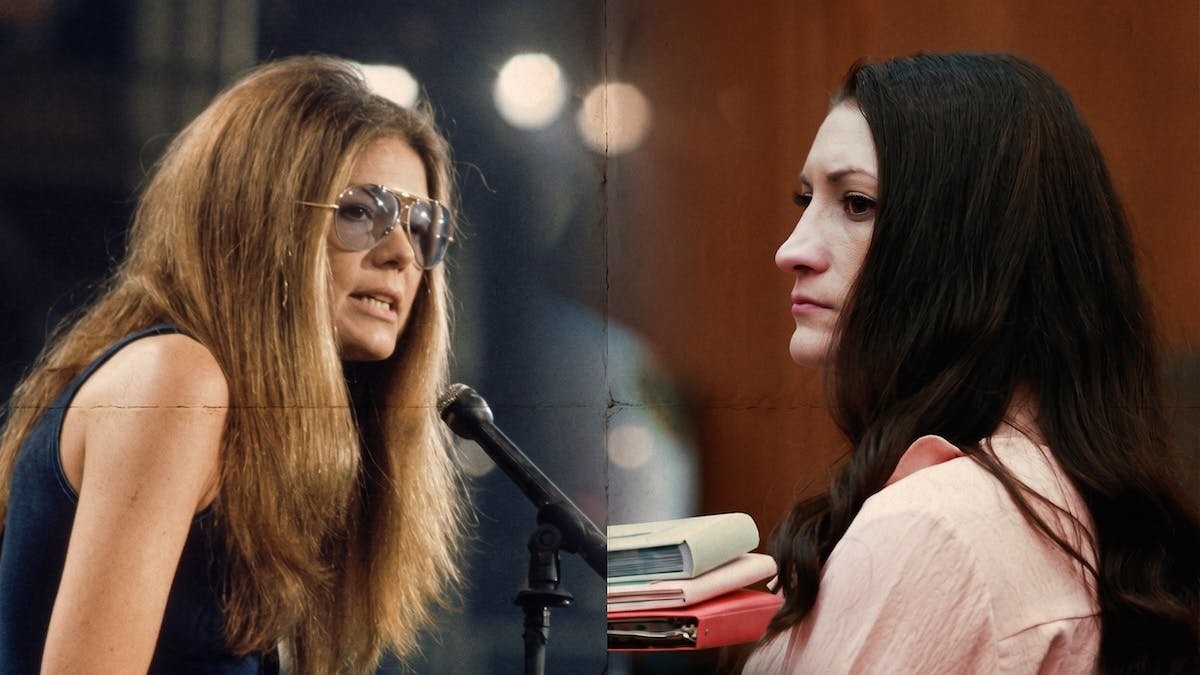
When Gloria Steinem was 22, she had an abortion — a decision she later described as pivotal. She saw marriage and children not as a beginning but as an end, a narrowing of possibilities. In her 2015 memoir, she dedicated it to the doctor who performed the procedure, recounting how he asked her to promise two things: never reveal his name, and do what she wanted with her life. For Steinem, motherhood was constricting, incompatible with the freedom she sought.
Nearly seven decades later, that view still echoes. As America mourns Steinem — who died recently — and follows the murder trial of Lindsay Clancy, a Massachusetts mother charged with killing her three young children, a familiar question has resurfaced: Why do so many women still see motherhood as an unfair burden? While the Clancy case hinges on her mental state, the public debate has become a flashpoint for how American mothers experience pregnancy, postpartum, and raising young children — and how isolated and unsupported many feel.
From Firestone to Reddit: A ‘Through Line’ of Fear
The Daily Wire’s Ivana Greco argues that the roots of this cultural narrative run deep. In 1970, radical feminist theorist Shulamith Firestone wrote in The Dialectic of Sex: ‘The heart of woman’s oppression is her childbearing and childrearing roles.’ That idea, popularized in the 1970s, has persisted. Today, the ‘childfree’ Reddit group boasts 1.6 million subscribers, filled with posts celebrating life without children and emphasizing the sacrifices of parenting.
Greco sees a direct connection between that decades-old rhetoric and current online discourse. Even as actual legal barriers to women’s equality have crumbled — women can now own bank accounts, get mortgages, and work without facing rampant harassment — the cultural perception of motherhood as a trap has not shifted. ‘We successfully tore down our positive vision of motherhood as well,’ Greco writes.

A Demographic Reckoning
The stakes, Greco argues, are demographic. When Steinem championed ‘women’s lib’ in the 1970s, population decline was seen as a plus. She wrote approvingly that the ‘population explosion dictates that childbearing be kept to a minimum.’ But sixty years later, with the U.S. fertility rate at historic lows and the population skewing older, that calculation has changed. Other nations with even more severe population declines are seeing lost economic productivity and what journalist David Martin Davies calls ‘the erosion of communities and cultural continuity.’
Greco acknowledges that there are many ways to live a flourishing life without children. But she laments that over the course of Steinem’s lifetime, the narrative around motherhood never evolved to balance its challenges with its rewards. ‘That is its own form of national tragedy,’ she writes.

Motherhood as Expansion, Not Sacrifice
Greco insists it doesn’t have to be this way. Having children requires commitment and sacrifice, yes — but it can also ‘throw open many doors.’ Children provide a tangible link to past and future generations, expand one’s focus beyond work toward family and community, and keep parents connected to younger generations in old age.
To shift these perceptions, Greco argues for more social, cultural, and political commitment to reducing the burdens on young mothers — from extended family and neighbors to religious institutions and local governments. ‘Many new moms in America feel isolated and alone,’ she writes, ‘and are in desperate need of more support.’
Steinem’s passing and the Clancy trial, Greco concludes, should be a reminder that significant work remains in how we perceive motherhood. ‘We have much work in front of us to build a vision of being a mom that shows it opens doors, not just closes them.’
Ivana Greco is a homeschooling mom of four. This article is part of Upstream, The Daily Wire’s hub for culture and lifestyle analysis.
Source: www.dailywire.com — https://www.dailywire.com/news/how-we-taught-women-to-fear-motherhood