
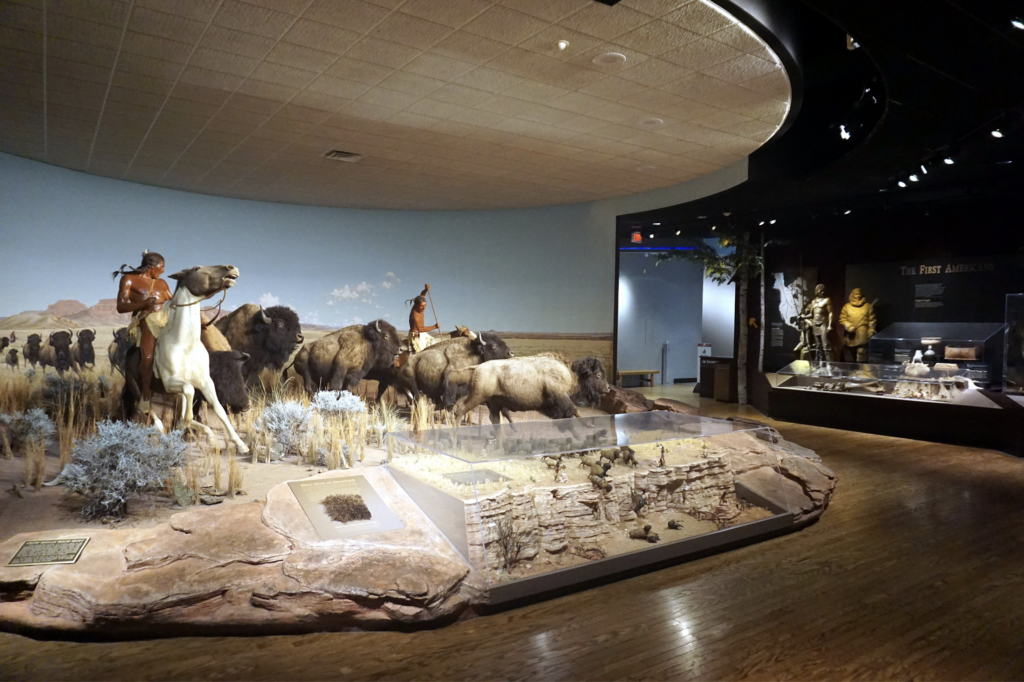
During a congressional hearing on the Smithsonian Institution, Rep. Tim Burchett, R-Tenn., played video clips of Anthea Hartig, Director of the National Museum of American History, delivering land acknowledgements that thanked tribes for ‘the opportunity to work and live in their territories.’ Burchett argued that such language implies Americans are ‘illegally occupying their own country,’ and he challenged Hartig on whether she would donate personal or Smithsonian property to tribes. Hartig responded that such a question was ‘not pertinent to the conversation.’
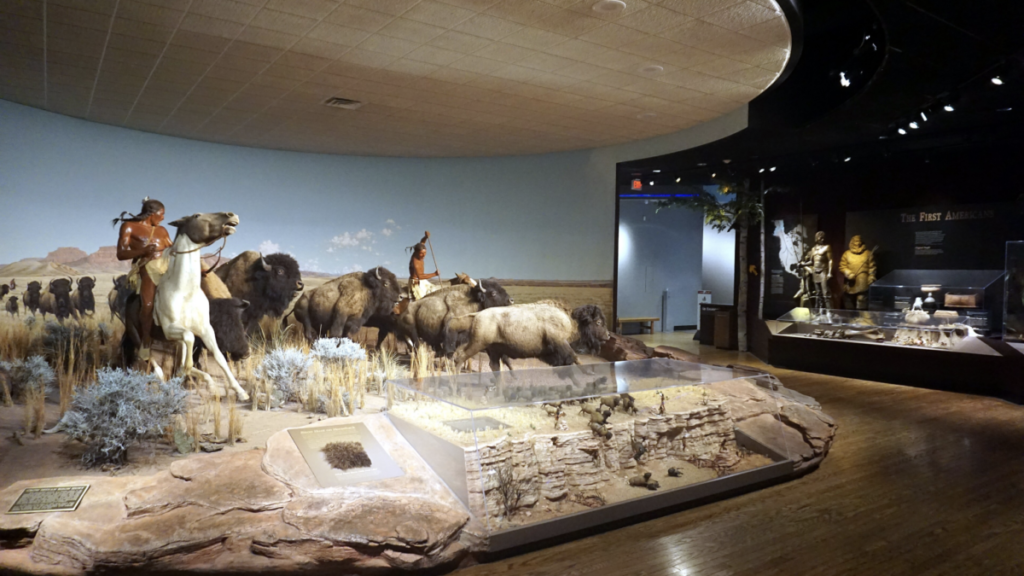
The hearing underscores a broader clash between the Smithsonian’s leadership and conservative lawmakers over how the institution frames American history, particularly regarding Native American land and the term ‘stolen land.’ In July 2026, the White House issued a critique titled ‘Saving America’s Story,’ denouncing the Smithsonian for portraying the founding as ‘genocidal’ and alleging the U.S. ‘rests on stolen land.’

Smithsonian Secretary Lonnie Bunch and Hartig have defended their approach as nuanced and unbiased. However, critics argue that the museum’s narrative is one-sided. A Smithsonian video, ‘The Indian Problem,’ explicitly claims the U.S. committed genocide against American Indians, with a curator stating, ‘We don’t make the case that there was genocide. We know that there was.’ Genocide, under the UN definition, requires ‘intent to destroy’ a group, a standard critics say is not met by the museum’s assertions.
The ‘stolen land’ concept has become common in universities and institutions, often paired with land acknowledgements. The National Education Association even advises educators to use terms like ‘genocide, ethnic cleansing, stolen land’ to avoid sugarcoating the past. But opponents see this as a politically motivated narrative that delegitimizes America’s founding.
History, as the article points out, is complicated. For example, the Lakota Sioux won a Supreme Court case in 1980 over the Black Hills, but refused monetary compensation, insisting on the return of land. Justice William Rehnquist, while criticizing the government’s tactics, noted that the ‘Indians were not lacking their share of villainy either’—the Lakota had taken the Black Hills from the Cheyenne and Crow around 1776, who themselves had displaced the Kiowa.
A Different Kind of Land Acknowledgement
The author suggests that instead of apologizing for perceived historical wrongs, Americans should celebrate the pioneers, settlers, and soldiers who built the nation, as well as Native tribes like the Oneida, Choctaw, and Pawnee who fought alongside the U.S. in various wars. This alternative acknowledgement honors the ’empire of liberty’ envisioned by Thomas Jefferson.
The debate reflects deeper questions about national identity and the role of cultural institutions in shaping historical memory. As the Smithsonian prepares to celebrate America’s 250th anniversary, the conflict over whose story gets told—and how—remains unresolved.
Source: thefederalist.com — https://thefederalist.com/2026/09/08/the-smithsonian-has-no-business-saying-america-is-built-on-stolen-land/