
The debate over whether Muslim Americans are assimilating into mainstream U.S. culture has grown only sharper, and a recent poll — though limited in scope — has done little to settle it.
The survey of 750 Muslim Americans found that 95 percent express pride in America and 85 percent believe in the American dream. Those figures stand in stark contrast to broader national polls showing a decline in patriotism across the general population. But the same survey also found that 47 percent of Muslim respondents admit to stronger ties to a foreign country, a figure that complicates any simple narrative of seamless integration.
Writing in American Thinker, immigrant mother Susan Quinn — who fled repression in the Islamic world and now raises American-born children — argues that the numbers tell only part of the story. She points to two competing models of assimilation that she says are shaping Muslim communities today.
Two models of assimilation
On one hand, Quinn writes, many Muslims have embraced the American dream, moving from the margins to the mainstream through hard work, cultural mixing, and patriotic gratitude. This is the model celebrated by those who point to the poll’s high pride and belief numbers.
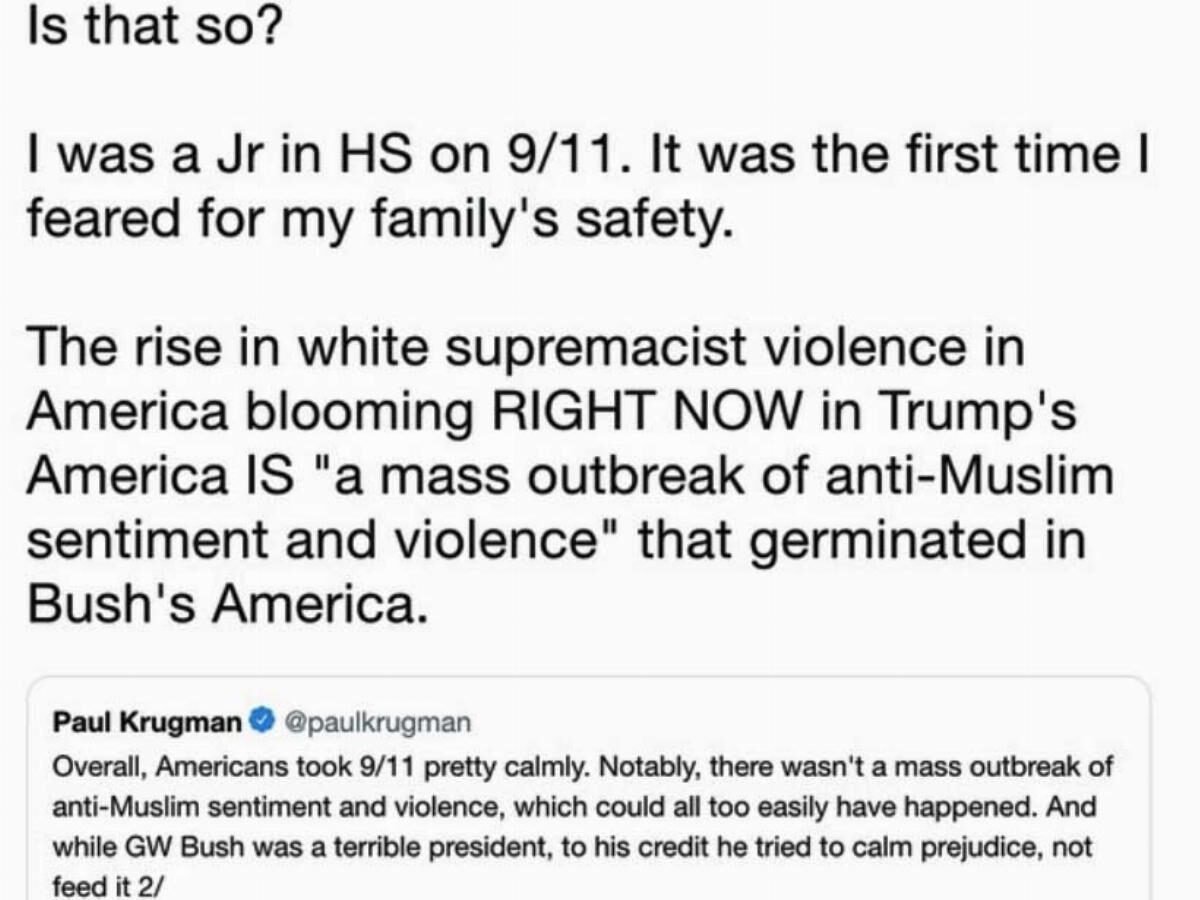
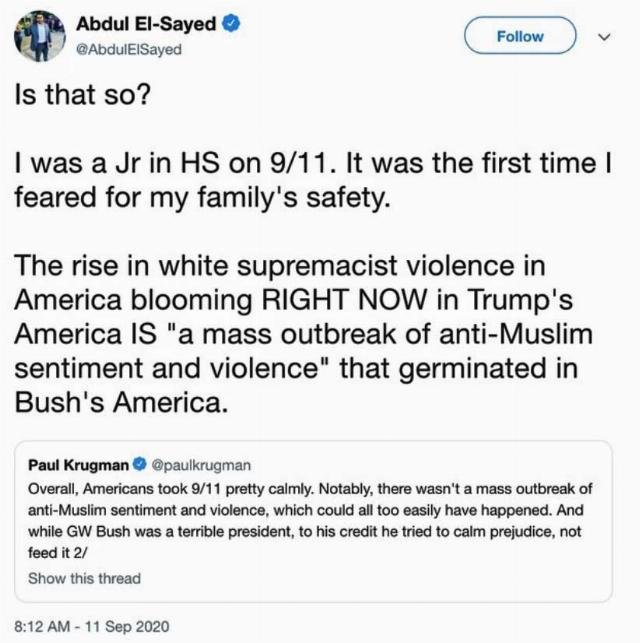
On the other hand, she says, a “toxic alternative” is encouraging some Muslim Americans to embrace identity politics and a victimhood mindset. That grievance tendency, Quinn argues, risks undermining the positive strides Muslims have made in adapting to American life.
The question, she says, is which model dominates — and whether the numbers matter if a significant segment of the community sees itself as victimized.
What the poll fails to measure
Quinn notes that while the poll captures broad sentiments, it does not address several other factors that researchers use to gauge acculturation. These include whether Muslim parents give their children American-sounding names, how strongly Muslim Americans identify with the Israeli-Palestinian conflict, and the level of participation in mosque communities.
She describes how mosques in the United States have historically served as more than places of worship — they functioned as social hubs, especially for women to gather, and in some cases even encouraged unified worship between men and women. This social role, she says, made mosques central to community life, serving as both sacred spaces and cultural centers.
But she also points to Muslim outreach efforts in American prisons, where proselytizers teach values like responsibility, family, and accountability — but may also, according to one source she cites, teach aspects of the faith that encourage worldwide domination by Islam.
Data challenges and contested claims
Collecting accurate data on assimilation presents significant challenges. Quinn acknowledges that fact-checking organizations like PolitiFact and various news outlets have repeatedly rejected blanket claims that there is “no real assimilation.” Surveys consistently show a majority of Muslim Americans express an American identity, and many report having non-Muslim friends.
She also notes that high rates of religious disaffiliation among people raised Muslim in the U.S. — with estimates cited by Cato and Newsweek — may mean that polls understate assimilation because they only count Muslims who remain religiously observant.
Yet despite these caveats, Quinn argues that several factors point to ongoing American ambivalence, even antagonism, toward the Muslim community. She lists the Somali community in Minnesota, which she says has “abused our systems”; the crossover between Islam and Marxist and socialist ideologies; the war in Iran and the unresolved situation in Gaza; and the rise of anti-Semitism in the United States as contributing to serious concerns about Muslim immigration and assimilation.
A Muslim immigrant’s prescription
One Muslim immigrant, Quinn reports, offers a clear recommendation: Muslims should embrace America as a land of opportunity and shed grievance politics and resentment. Mainstream American civic leaders, including conservatives, should in turn encourage patriotic Muslims who reject identity politics and genuinely celebrate the American dream.
That kind of healthy assimilation, the immigrant argues, offers an uplifting path for Muslim-American flourishing and American renewal.
But Quinn questions how realistic those suggestions are, given the deep divisions and controversies that continue to surround the issue.
“Now more than ever,” she writes, “the ability to speak our minds is crucial to the republic we cherish.”
The debate, it seems, is far from over — and neither polls nor prescriptions are likely to resolve it anytime soon.
Source: www.americanthinker.com — https://www.americanthinker.com/blog/2026/09/lack-of-muslim-assimilation-in-america-perception-or-reality/