
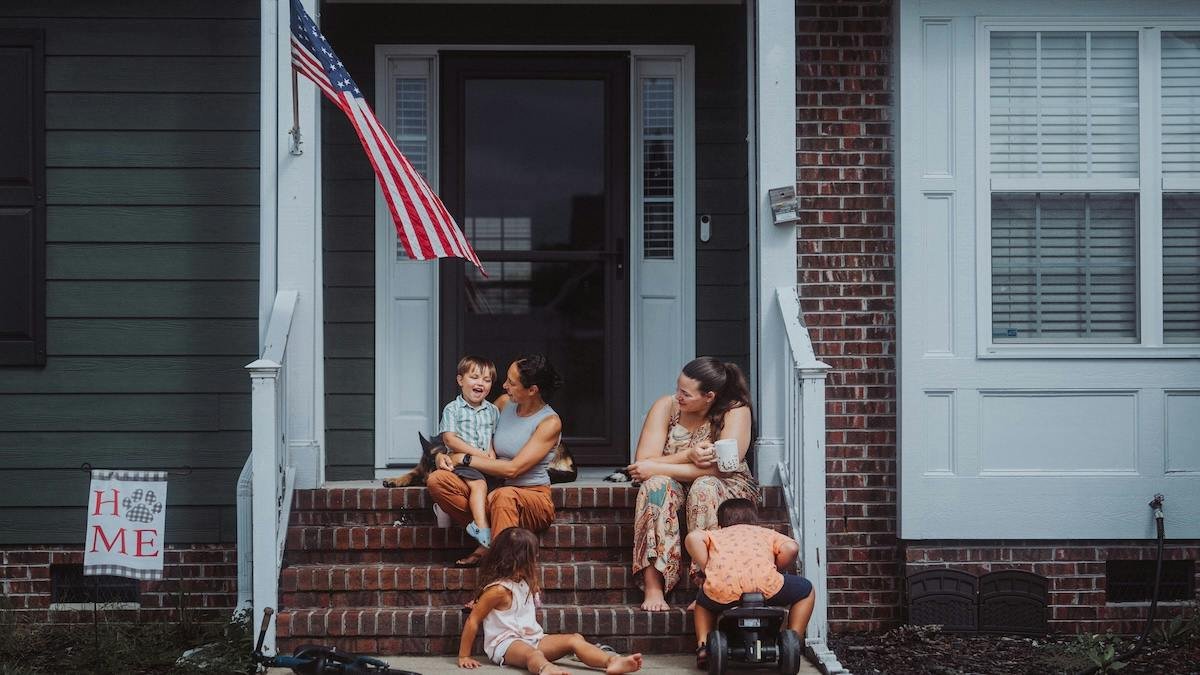
Millennial and Gen Z mothers are lonely at extraordinary rates, and the COVID-19 pandemic’s social fallout is still part of the story. That is the argument Sarah Wilder makes in a new essay for The Daily Wire, where she contends that the informal networks that once sustained full-time homemakers have yet to recover from years of lockdowns and that mothers themselves may hold one of the simplest solutions.
Wilder, a visiting fellow at Independent Women, points to survey data showing the scale of the problem. A Motherly survey found that 82 percent of mothers said they are lonely, while nearly 90 percent reported that most of their socialization happens online rather than in person. A separate study in the Journal of Clinical Gynecology & Obstetrics found that 58.6 percent of mothers reported feeling lonelier after the pandemic than before it.
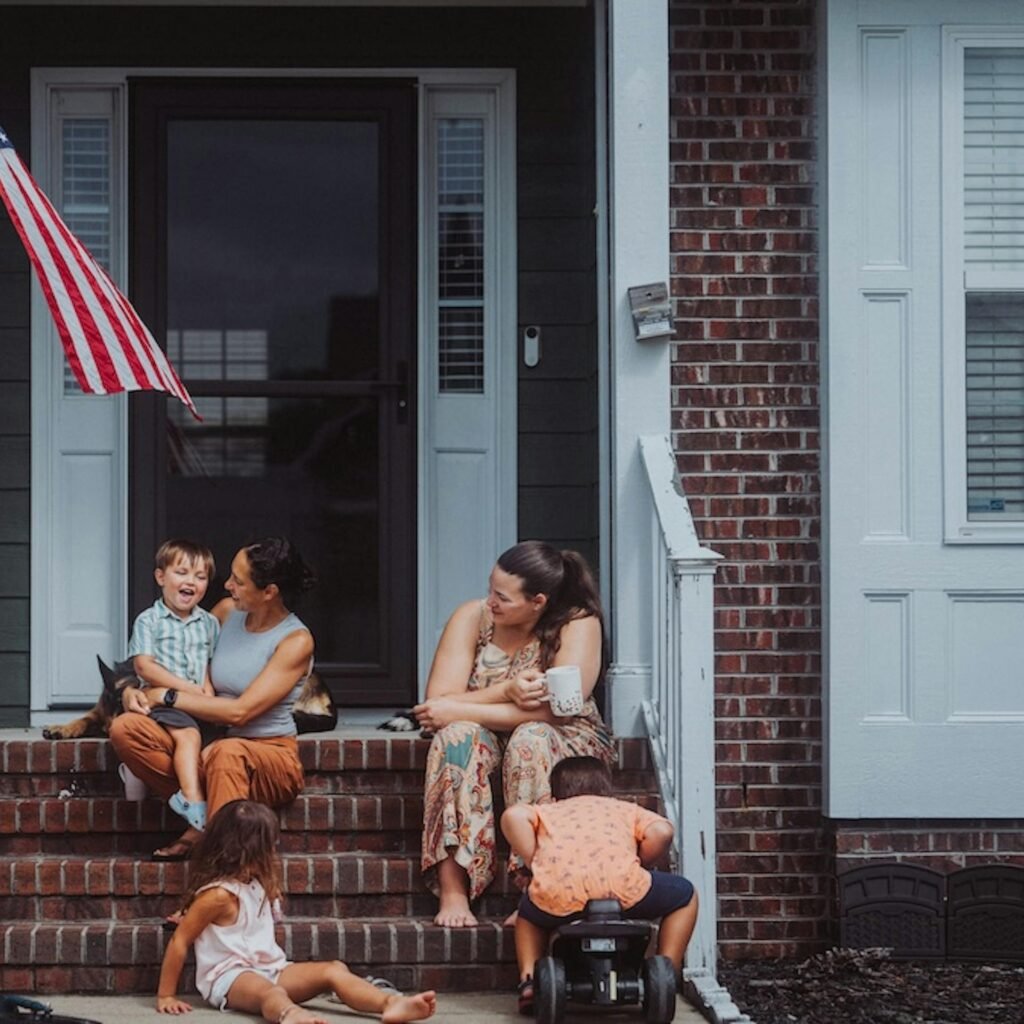
The isolation, she suggests, is not merely a matter of individual circumstance. It is structural. During the pandemic, Americans were functionally cut off from one another for anywhere from three months to three years, depending on where they lived. In that span, many people adapted to going without informal gatherings and in-person commitments even as the need for them remained. The social fabric, Wilder writes, has not yet recovered.
The post-lockdown divide
For mothers, the rebound has been slower than for other groups. As offices reinstate return-to-work mandates, employees are pushed back into daily socialization whether they seek it or not. There is no equivalent mandate for full-time homemakers. A stay-at-home mother can, in principle, remain in her house all day and still complete the work of raising her children. That possibility is baked into the very label society uses for the role.

Wilder argues the term itself is part of the problem. “Homemaker,” she suggests, is a better description, because it implies a vocation oriented toward the home as a social unit — a husband and children — rather than a physical building. Staying within four walls is not required to live out that vocation, and doing so to excess can be actively unhelpful.
Online communities have filled part of the gap. Social media groups for moms can be effective at finding and organizing connection, and Wilder acknowledges their value. But she contends that online-only support cannot fully combat loneliness. Translating a digital interaction into an in-person meetup remains, in her view, a massive societal hurdle in the post-COVID world.

The case for being the inviter
The most effective remedy, Wilder writes, is for mothers to become the inviters rather than waiting for a ready-made mom group to materialize around them. The play date, in her telling, is the ultimate low-cost hack: it socializes mother and child at the same time, can be scheduled at nearly any time, hosted at one mother’s house or another’s, and requires no paid child care to pull off.
She contrasts two common approaches. A coffee-shop meetup often means catching up in short, interrupted bursts while chasing a toddler through a decidedly un-childproofed cafe. Inviting another mother over, by contrast, means sitting together on a couch in a basement playroom and actually talking. It also asks families to grow comfortable with hosting again — an art Wilder describes as dying, though a far less demanding one than a candlelit dinner party.
The deeper point, in her account, is that homes used to function as social environments. Neighbors stopped by to borrow brown sugar and stayed to chat. The mail carrier was a familiar, anticipated face. After-church gatherings migrated to living rooms back when parishioners lived near one another. None of that happens organically anymore, she writes, which is why mothers who want to address the loneliness problem have to become the ones extending invitations.
What churches and communities can do
Wilder is careful to say the burden should not fall exclusively on already tired and overextended mothers. Churches, she argues, are uniquely positioned to help by facilitating connections among like-minded mothers in a shared geographic area. She offers examples from her own congregation: a winter morning Bible study with child care scheduled around typical nap times, mom walking groups, small groups in kid-friendly locations with kid-friendly activities, and regularly timed park meetups. The planning and logistics can come from the institution, she suggests, while mothers take the first step of showing up.
The essay is part of Upstream, a Daily Wire vertical focused on culture and lifestyle. Wilder frames her prescription as modest and incremental: reigniting an informal social life in motherhood will not be easy in an isolated society, but restoring the casual in-home invitation is a low-pressure, low-cost way to start building a community that understands what mothers — especially those home all day with young children — are actually going through.
Source: www.dailywire.com — https://www.dailywire.com/news/a-mothers-case-for-bringing-parental-socialization-back