
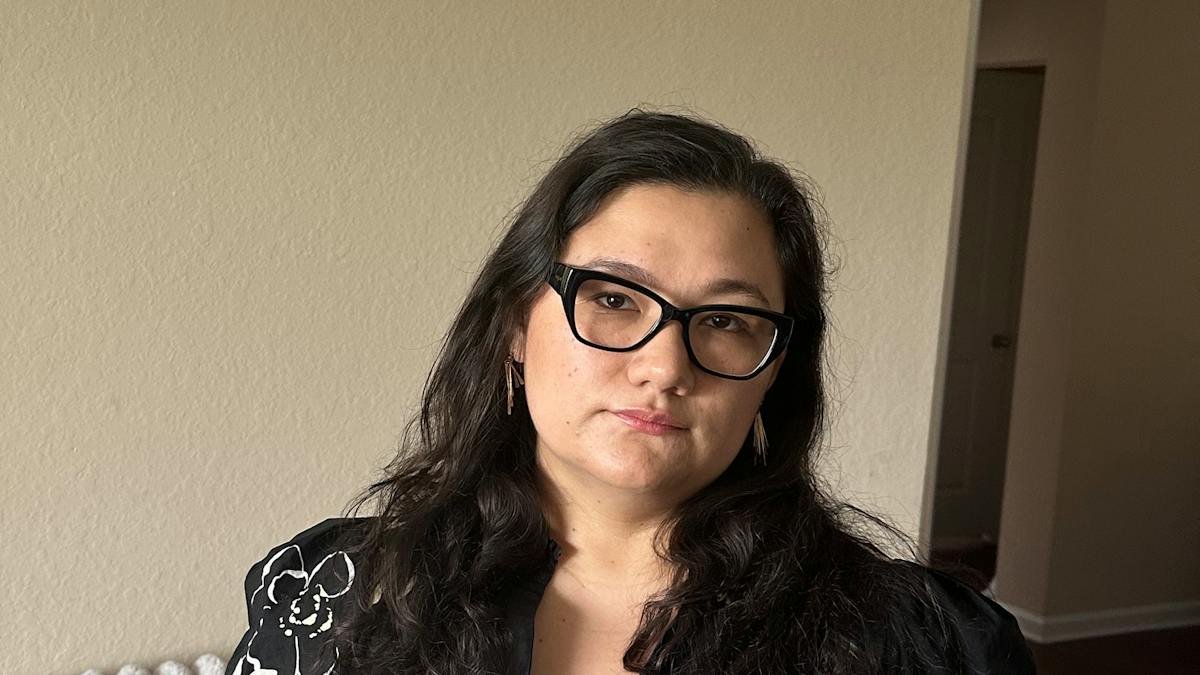
A Uyghur American advocate is publicly pressing President Donald Trump to raise her mother’s case with President Xi Jinping, arguing that Beijing imprisoned her mother in retaliation for a speech her aunt delivered in Washington, D.C. According to a Daily Wire opinion piece by Ziba Murat, her mother, Dr. Gulshan Abbas, a 64-year-old retired physician, is serving a 20-year sentence in a Chinese prison on what the family describes as fabricated charges.
Murat’s account ties the timing of her mother’s detention directly to a 2018 appearance by her aunt at the Hudson Institute, a Washington think tank. In September of that year, Murat writes, her aunt spoke out at the institute criticizing Beijing’s persecution of the Uyghur people. Six days later, her mother disappeared.
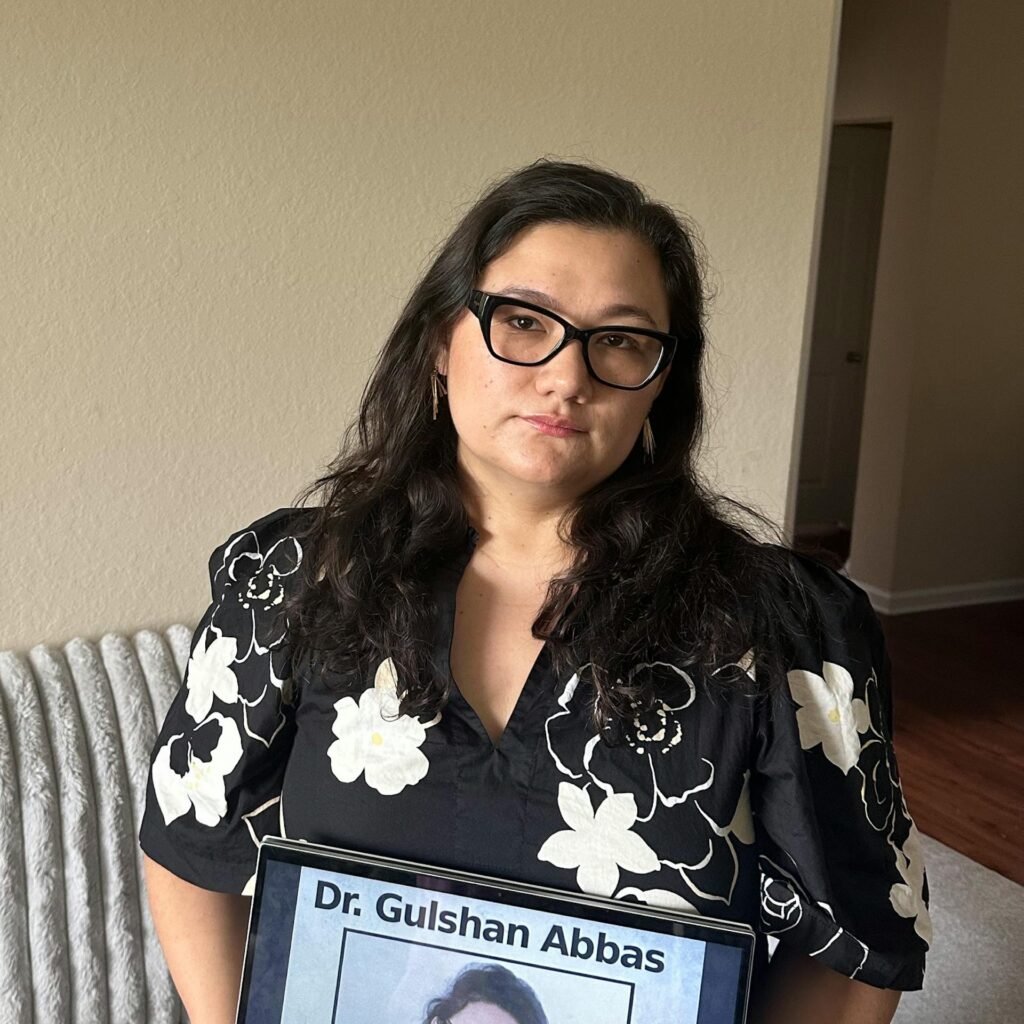
The article, which describes the situation as “transnational repression,” says the message from Beijing was clear: that an American citizen who exercises free speech in the United States can be punished through relatives living in China. Murat states that her aunt is an American citizen and that the speech in question is protected by the First Amendment.
A Case That Stretches Across Borders
According to the piece, Dr. Abbas was ultimately sentenced to 20 years in prison. Murat says the family has received little proof of life and has had virtually no contact with her. This September, she writes, will mark eight years since her mother was taken.

Murat emphasizes that the consequences of her mother’s imprisonment extend well beyond China’s borders. She notes that her mother has 24 family members who are American citizens, and that those relatives have lived with the fallout of Beijing’s decision for nearly eight years. Her own daughter, who is nearly eight years old, has never hugged her grandmother, she writes, knowing her only through stories and the hope of a future meeting.
The advocate also cites her mother’s health as a factor driving urgency. Dr. Abbas, she writes, is 64 and suffers from high blood pressure, Type II diabetes, and an eye condition requiring regular medical care to prevent blindness. Each additional year in prison, Murat argues, raises the possibility that the damage to her health — and to the family — becomes irreversible.

Hope From a Pastor’s Release
Murat says she woke on July 4, 2026, to news that Chinese Christian pastor Ezra Jin Mingri had been released from prison and reunited with his family in the United States. According to her account, it was the first time in nearly two decades that China had released a political prisoner, and she credits the outcome to Trump making the pastor’s freedom a priority.
That release, she writes, gave her hope and demonstrated that direct American engagement can secure the freedom of someone imprisoned in China. She frames Trump’s expected September meeting with Xi as an opportunity to build on that success and to ask Xi to release her mother as well.
Murat’s argument is that bringing Gulshan Abbas home would do more than reunite a family with 24 American citizens. It would, in her telling, send a message to Beijing that American freedom of speech does not end where China’s intimidation begins — and that the Chinese Communist Party cannot be permitted to silence people in the United States by imprisoning their relatives abroad.
The piece closes with a direct appeal to the president. Americans, Murat writes, should never have to choose between exercising their constitutional freedoms and protecting the people they love. She argues that Trump can make clear the United States will not accept that choice, and that China has already shown it can decide to free a political prisoner.
Context and Attribution
The article is an opinion essay written by Ziba Murat, described as a Uyghur American advocate whose mother, Dr. Gulshan Abbas, has been imprisoned in Xinjiang since 2018. The claims about the reasons for Abbas’s detention, the circumstances of her sentencing, her health conditions, and the Jin Mingri release are presented as the author’s account and have not been independently verified in the source material. The Daily Wire published the piece as a first-person plea ahead of the anticipated Trump-Xi meeting this September.
Source: www.dailywire.com — https://www.dailywire.com/news/my-mother-is-a-prisoner-in-communist-china-this-is-my-plea-to-president-trump