
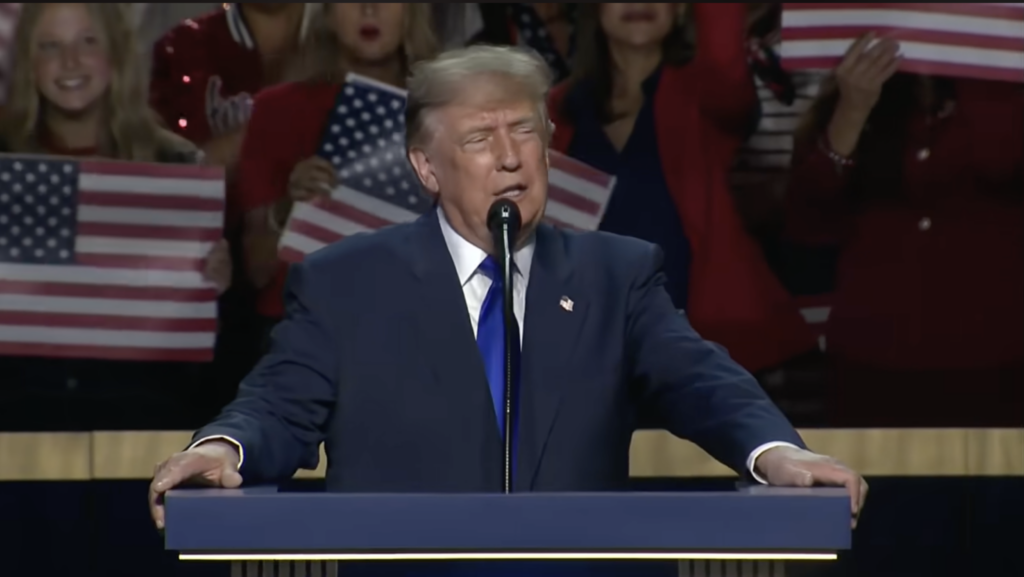
President Donald Trump had a blunt request for attendees at the Republican National Committee’s first-ever midterm convention, and The Federalist relayed it to readers this week: act as though his name is on the ballot, because the stakes are.
“Pretend that I’m on the ballot,” Trump said, closing out the first night of the convention. “I’m on the ballot. I’m on the ballot. Just one more time, because if we lose, you’re going to lose your border, you’re going to lose your tax cuts, you’re going to lose your safety and security, you’re going to lose your wealth.”
It’s a pitch aimed squarely at a well-documented Republican problem — turning out voters in elections where Trump himself isn’t running. The Federalist’s argument, published in the outlet’s opinion pages, is that this framing undersells what’s actually at stake: not just Trump’s future agenda, but the durability of the victories he has already notched.
Executive orders are not permanent
According to The Federalist, Trump’s second term has produced a string of wins — shutting down the southern border, restoring immigration enforcement, dismantling federal DEI programs, and reversing the Biden administration’s definition of sex, among other moves. Some of that has been backed by congressional funding, including immigration enforcement, and by the One Big Beautiful Bill, which the piece describes as adding incentives for states to crack down on fraud and waste while introducing no tax on tips and overtime for certain employment sectors.
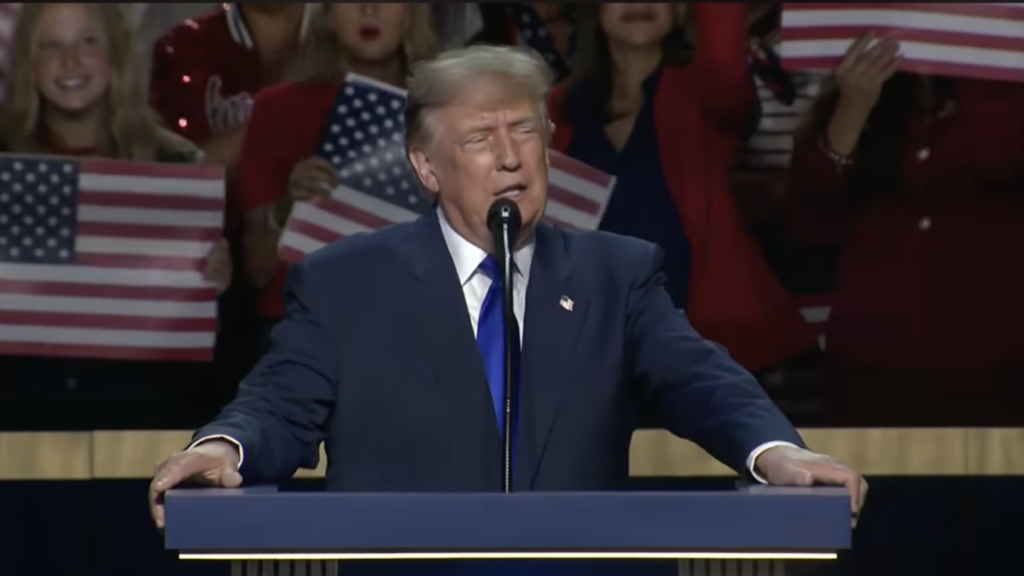
But the piece stresses that much of Trump’s agenda has moved through executive order precisely because that was the fastest route to action. That speed comes with an expiration date. Executive orders can be, and typically are, rescinded by the next president. Congressional Republicans, the outlet argues, have failed to codify much of Trump’s work — which is what makes the midterms matter even more.
The Federalist frames the problem as a paradox of success. A few years ago, according to the piece, tens of thousands of migrants were rushing the southern border, tearing down barriers and entering the country illegally. Today, Americans don’t see that crisis — because it doesn’t currently exist. That quiet, the argument goes, breeds complacency.
“The absence of a crisis does not mean the threat has disappeared,” the piece contends. “It means Trump’s policies worked.” Unless Congress locks those policies into law, the outlet warns, many of Trump’s victories remain short-term — sitting around waiting to be undone by a future Democratic president.
The question the outlet says voters are really answering
On this view, the ballot question facing voters isn’t whether they want the border secured for the next two years. It’s whether they want Congress to make that security permanent beyond Trump’s final day in office.

The Federalist sketches out what a Democratic Congress could do even without the power to order Trump to reopen the border. Lawmakers could withhold funding, the piece says, and “kneecap the president with baseless investigations and impeachments,” ensuring that his border and immigration successes remain temporary. Trump could keep issuing executive orders, but those would remain vulnerable to reversal in the next presidential cycle.
Beyond preserving what’s already been done, the outlet points to victories it says are still unfinished — including reining in what it calls the “judicial coup” and securing elections. The piece cites nationwide injunctions from lower court judges that have sought to block the president’s actions even after the Supreme Court significantly curtailed their use.
As an example, The Federalist notes that House Republicans passed the No Rogue Rulings Act in April 2025, a measure that would limit the authority lower court judges use to impose nationwide injunctions. The bill has since stalled in the Senate. The same chamber, according to the piece, has failed to pass the SAVE America Act or to permanently change the immigration laws that the outlet says enabled the Biden-era border crisis.
Beefing up the Republican majority — ideally expanding it and sending reliably conservative senators to replace what the piece calls RINOs — is presented as the path to passing the SAVE America Act, the No Rogue Rulings Act, and other legislation that would write conservative priorities into law.

A warning aimed at frustrated conservatives
The piece takes direct aim at a temptation it believes some on the right will feel this cycle: sitting out the midterms specifically to punish Republicans for not delivering more on Trump’s agenda.
The Federalist’s response is twofold. First, it argues the primary punishment would land on the American people, who would bear the consequences of a leftist resurgence. Second, it suggests the strategy misunderstands its target — that “squishy Republicans” wouldn’t necessarily read a midterm drubbing as punishment at all, since a minority position offers a ready-made excuse for being ineffective.
In that framing, staying home amounts to sacrificing everything Trump has accomplished, along with everything he could still accomplish if he’s able to govern as elected and keep congressional Republicans in line.
Trump’s name won’t literally appear on the ballot this fall. The Federalist’s closing argument is that his record — and the possibility of making it last — will be there in his place, next to every “R” on the ticket.
Source: thefederalist.com — https://thefederalist.com/2026/09/10/staying-home-wont-punish-republicans-it-will-undo-trumps-wins/