
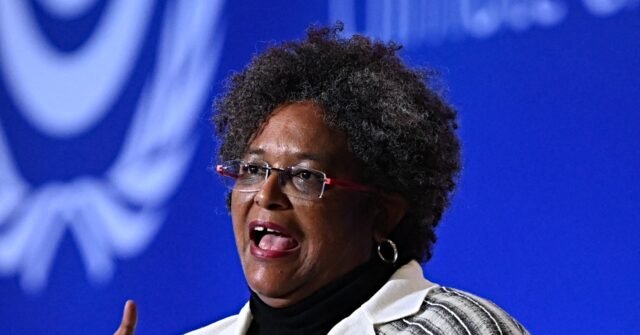
Caribbean governments are exploring a new legal route to force Britain into paying slavery reparations, floating a case at the International Court of Justice built on United Nations treaties that define racial discrimination, according to reporting by the Telegraph.
Barbados Prime Minister Mia Mottley is hosting a conference this week aimed at mapping out strategies for extracting compensation, and she has pointed to international courts as one possible avenue. The gathering follows years of campaigning that has so far produced declarations, resolutions, and rhetoric but no settlements.
Mottley told supporters the movement needs to shift from protest to litigation. “Stop being advocates in a movement, and start being advocates in a case,” she said, arguing that campaigners may have an opening in the courts.
A Treaty-Based Legal Theory
Legal experts in the Caribbean are reportedly examining whether Britain could be hauled before the ICJ for allegedly breaching its obligations under UN anti-racism conventions. If the Caribbean Community, known as CARICOM, or African partners pursued that path, the case would hinge on the argument that the UK has failed to meet treaty commitments by not paying out compensation.
The UK is a signatory to the UN International Convention on the Elimination of All Forms of Racial Discrimination, which is central to the proposed strategy. A UN member state could in principle sue Britain on the grounds that it has violated that convention.
The push is not without organized opposition. Reform UK leader Nigel Farage has made his position clear against the effort, and the British government has shown no sign of embracing the claims.
UN Bodies Add Pressure
The legal maneuvering comes amid a broader shift in international institutions. In March, 123 nations voted for a landmark UN resolution that classified slavery as the gravest crime against humanity. The UK was among several European countries that abstained.
Last month, a UN committee on the elimination of racial discrimination said countries are legally obliged to consider reparations for the transatlantic slave trade and to take other steps addressing the lasting legacy of racial discrimination. That finding, while not binding in the way a court ruling would be, gives reparations advocates a fresh piece of leverage to cite.
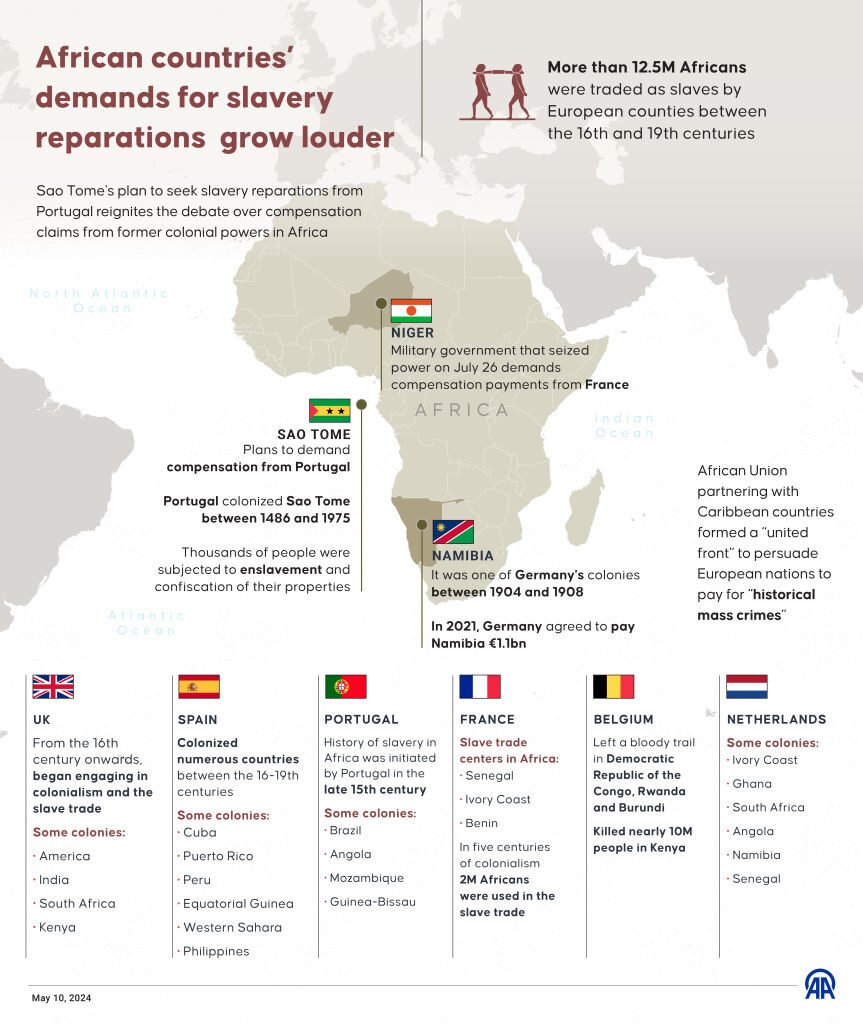
International demands have been led in large part by African nations, reopening a long-running debate over what former colonial powers owe. Barbados has previously put a figure on its own claim, nominating $4.9 trillion — roughly £3.9 trillion — as a reparations sum from the West, a number Breitbart News has reported.
Caribbean nations have also sought direct talks with King Charles addressing the reparations question, though no agreement has emerged from those efforts.
The Historical Record
Campaigners frame historic transatlantic slavery as a crime requiring redress, and they point to Britain’s role in the trade. Britain’s own record, however, includes a leading role in abolition: it was the first nation in the world to outlaw the slave trade, through the Act for the Abolition of the Slave Trade in 1807, and then to outlaw slave ownership through the Slavery Abolition Act in 1833.
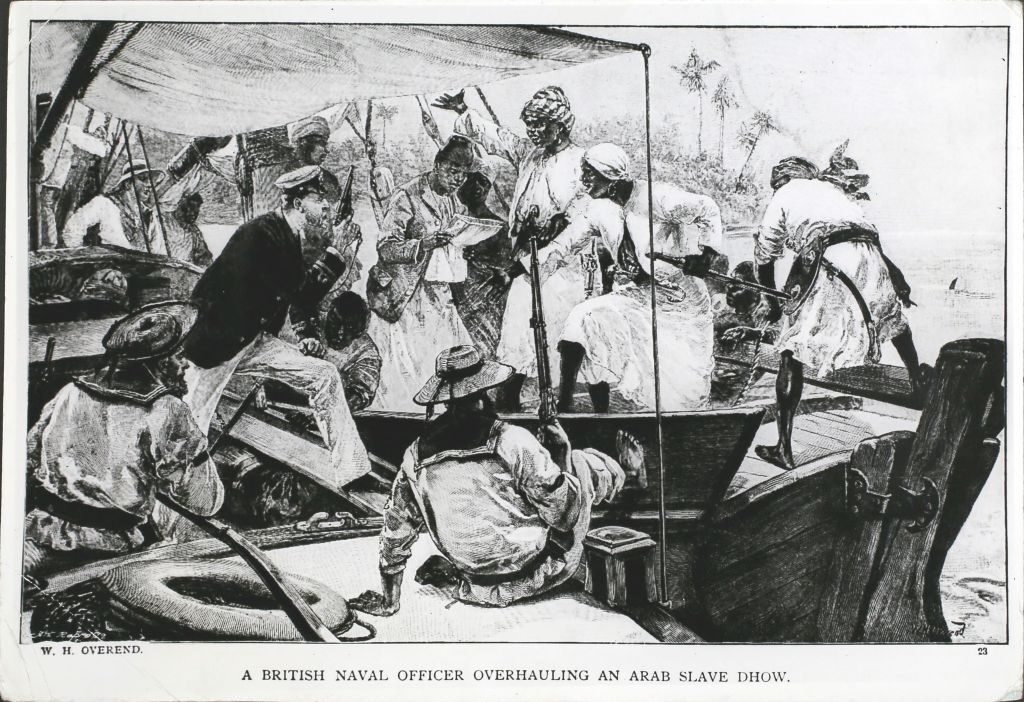
After abolition, the British Empire acted unilaterally to stamp out slavery internationally, spending both blood and treasure in the effort. The Royal Navy’s West Africa Squadron freed roughly 150,000 African slaves after capturing an estimated 1,600 slave trade ships between 1807 and 1860. Some 1,587 men from the squadron died in those operations.
British forces also took part in suppressing the Barbary and East African slave trades. Indentured servitude and slavery were widespread across many cultures and centuries — from the 16th to the 19th centuries, North African Barbary pirates and Ottoman slavers captured an estimated one million to 1.25 million European Christians from ships and coastal towns in England, Ireland, Italy, Spain, and Iceland. Captives taken in those raids faced hard labor, galley slavery, or placement in harems and domestic service unless ransomed.
Whether the treaty-based legal theory can survive the procedural and political obstacles ahead is an open question. The ICJ route would depend on a member state bringing the case forward, and on the court accepting a theory that ties a modern anti-discrimination convention to historic conduct. Mottley’s conference this week is aimed at pressing that question — and at turning a decades-old advocacy campaign into what she describes as a case.
Source: www.breitbart.com — https://www.breitbart.com/europe/2026/09/20/caribbean-states-look-to-u-n-with-racial-discrimination-slavery-lawsuit-against-uk/