
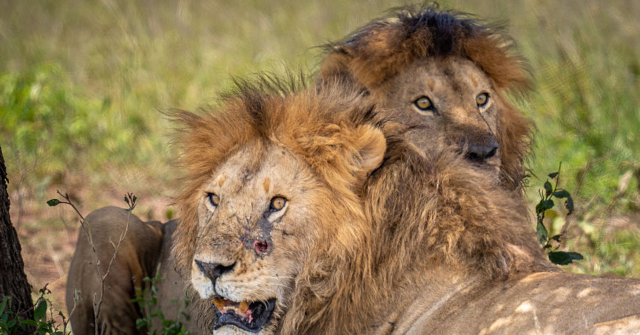
Ten lions have been found dead in a Tanzanian conservation area, with authorities saying the animals appear to have been poisoned.
The Ngorongoro Conservation Area Authority announced the carcasses were discovered Friday at Ndutu, inside the protected landscape, and that preliminary findings indicated the lions died after ingesting poison, according to a CBS News report cited Monday.
Investigators are now working to confirm what killed the animals and to identify who, if anyone, is responsible.
A recurring pattern
The deaths echo earlier incidents in the region. The conservation group Lion Guardians reported earlier this year that six lions had died in a similar case near the Kenya-Tanzania border, with the presence of numerous dead vultures in the area pointing to poison as the cause, Sky News reported Sunday.
Across the border, Kenyan police arrested four suspects last month in a separate investigation into the deaths of 18 elephants, according to the same account.
Poisoning is a well-documented threat to Africa’s predators and scavengers, in part because it can kill far beyond its intended target — vultures and other animals that feed on tainted carcasses often die as well.
Tension over land and eviction
The reported deaths land in a landscape that has long been contested. CBS noted that Ngorongoro has been the setting of persistent friction between wildlife authorities and the local nomadic community, with clashes at times turning deadly since the government began an eviction program in 2022.
Tanzanian government leaders argue that wildlife is being squeezed out as the human population in Ngorongoro has grown past 100,000, according to the CBS report.
The Ngorongoro Conservation Area, established in 1959 as a multiple land-use zone, was designed around the coexistence of wildlife and semi-nomadic Maasai pastoralists practicing traditional livestock grazing. It contains the Ngorongoro Crater, described by the UNESCO World Heritage Convention as the world’s largest caldera, and it holds global significance for biodiversity — home to threatened species and the annual migration of wildebeest, zebra, gazelles and other animals into the northern plains.
That dual mandate — protecting both a World Heritage ecosystem and the people who live within it — sits at the center of the disputes.
Lions under pressure
The International Union for Conservation of Nature classifies lions as vulnerable and says their numbers are declining. The threats the species faces include habitat loss, shrinking prey populations, and conflict with humans, CBS reported.
For now, the immediate question in Ndutu is what killed the 10 lions and whether anyone will be held accountable. Authorities have not announced any arrests in connection with the case.
Source: www.breitbart.com — https://www.breitbart.com/africa/2026/09/21/tanzania-ten-lions-found-dead-of-suspected-poisoning-in-conservation-area/
Background and context
The latest developments around Tanzania Officials Blame Poison After 10 Lions Found Dead in Ngorongoro Conservation Area come amid a broader debate over politics, institutional accountability, and the policy choices that shape everyday life. Understanding the immediate facts is only the first step; the wider impact depends on how officials, institutions, and the public respond in the days and weeks ahead.
FedFront’s coverage focuses on verifiable details, identifiable sources, and the practical consequences of political decisions. Readers should review official statements, primary documents, and court or agency records before drawing final conclusions about any disputed claims.
Why it matters
Stories like this can influence legislation, regulatory enforcement, public trust, and the balance of power between government institutions. Even when the immediate headline fades, the underlying policy, legal, or political questions often continue to shape future decisions.
What to watch next
- Official responses, statements, or policy changes
- Legislative, regulatory, or court action
- Follow-up reporting and independent verification
- Public reaction and broader political fallout
FedFront will continue monitoring this story and update coverage as new information becomes available.
Source: www.breitbart.com
Related coverage
- DC Shooting Exposes Gaps in Gun Control Despite ‘Strongest’ Laws in Nation
- Blazers Fired Announcer Over Teenage Tweets — Then the Reporter Who Dug Them Up Went Dark
- Colombia’s New Conservative President Announces Mass Deportations
- Chinese Billionaire Linked to 100+ US-Born Children as Surrogacy Citizenship Fight Erupts