
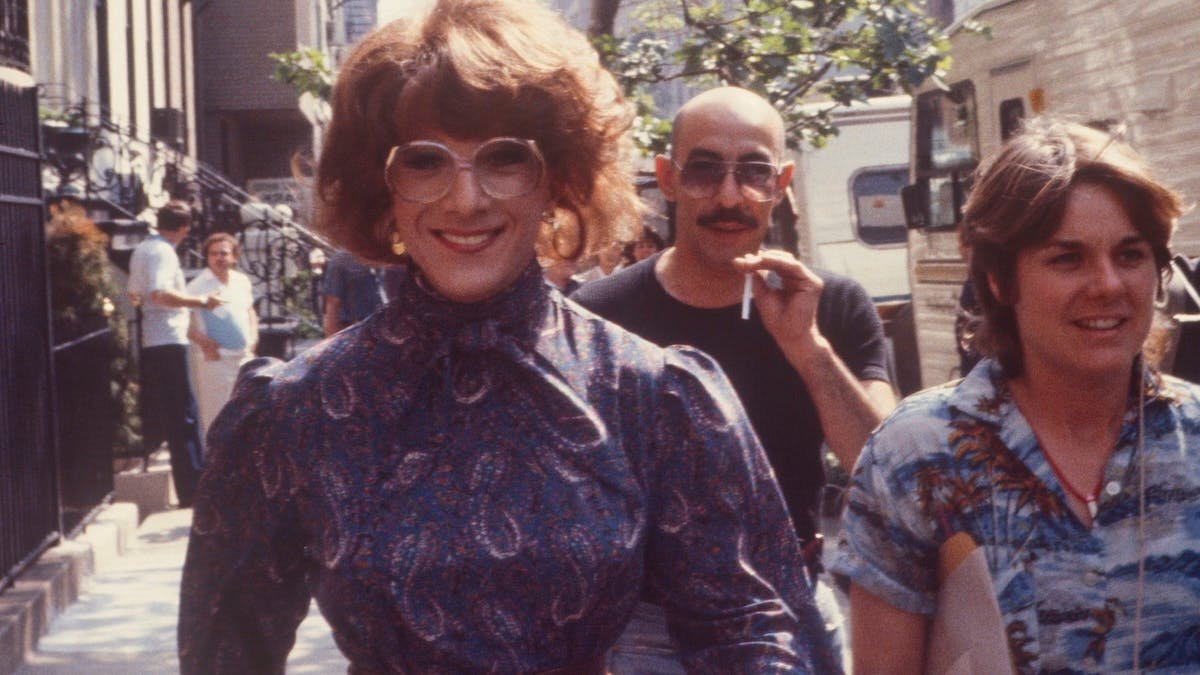
A new cultural commentary from The Daily Wire argues that the 1982 Dustin Hoffman comedy “Tootsie” contains unexpected lessons for contemporary debates about gender relations and social interaction, framing the film as a case study in how societies navigate disappointment and imperfection between the sexes.
The piece, published in The Daily Wire’s culture section, examines how the PG-rated comedy — about a difficult New York actor who disguises himself as a woman to land a role on a daytime soap opera — now feels “shockingly boundary-pushing and transgressive when viewed through today’s culturally charged lens.”
The Plot and Its Modern Resonance
In the film, Michael Dorsey, played by Hoffman, transforms himself into “Dorothy Michaels” after his agent warns him that his perfectionist reputation has made him unhirable. Winning a role as a hospital administrator on a soap opera, Dorsey experiences firsthand the condescension and objectification women routinely face from male colleagues.
According to The Daily Wire, one detail from the film now carries particular cultural weight: when Dorsey’s character wants to leave the show and reveal his true identity, his agent warns that admitting “all along he was a man pretending to be a woman would be treated by the studio executives as ‘major fraud.'” The outlet describes this declaration as “genuinely scandalous to a modern sensibility trained to internalize the mantra ‘trans women are women’ as an unquestionable orthodoxy.”
Comedy as Social Commentary
The Daily Wire writer emphasizes that “Tootsie” works primarily as screwball comedy rather than heavy-handed social commentary, with much of its success attributed to Hoffman’s willingness to mock his own reputation as a notorious perfectionist. By playing Michael Dorsey “absolutely straight” — without camp or knowing winks to the camera — Hoffman established what the piece calls “a safe, playful tone that allows the movie’s satire to grow organically without feeling mean-spirited.”
The film doesn’t excuse male bad behavior, the commentary notes. The director who addresses women as “Tootsie” rather than learning their names is “condescending, not confused,” and the male co-star who follows Dorsey home and won’t leave is committing what the piece describes as sexual assault “by any reasonable measure.”

The Gap Between Fantasy and Reality
The article highlights a key scene that illustrates the film’s broader point about human relationships: When Dorsey, back to being a man, uses insider knowledge to deliver the exact romantic approach that Julie — the actress he loves — had earlier told “Dorothy” was her dream, she doesn’t swoon but throws a drink in his face.
“It is a hilarious reminder that human beings rarely match the fantasies we project onto them,” the writer argues. “A mature culture doesn’t respond to this inevitable gap between expectation and reality with outrage.”
The Case for Social Grace
The Daily Wire piece uses “Tootsie” to make a broader argument about contemporary social norms. While acknowledging that real wrongdoing exists and must be named, the writer contends that most daily life consists not of serious sexism but of “much smaller frictions: the clumsy joke, the misread cue, the tactlessly phrased opinion.”

For these everyday interactions, the commentary argues, “a functioning, pluralistic society relies on an unwritten social contract: the presumption of good faith, sometimes called the benefit of the doubt.” This presumption, described as “the bedrock of social trust,” acts as a buffer against paranoia and allows people to navigate differences “without constant fear of social excommunication.”
The piece warns against structuring everyday norms around the worst societal actors rather than ordinary people capable of daily mistakes, arguing this approach “ends up asking everyone to live in a permanent defensive crouch.”
Performance Versus Personhood
The commentary draws a distinction between Dorothy Michaels — who everyone loves because she is “patient, unflappable, endlessly wise” and “a performance, not a person” — and the flawed reality of Michael and Julie as actual human beings. Michael is described as “insufferably arrogant” yet capable of both friendship and exploitation, while Julie is “warm and funny” but carries the baggage of poor romantic choices.
“Dorothy can be loved by everyone precisely because she is unreal,” the writer argues. “Loving an actual person is a harder and far more interesting kind of work.”
The article concludes that the film’s lasting value lies in its sense of proportion — treating the disappointments and indignities of cross-gender relations as “something survivable, even comic, rather than a mortal wound.” By allowing audiences to laugh at how men and women “clumsily relate to each other,” the film models what the writer calls a mature response: neither pretending problems away nor letting them become defining traumas, but meeting them with resilience.
“In a world obsessed with phantom standards of perfection,” the piece concludes, “the messy, frustrating reality of genuine human relationships offers a more satisfying reward.”
Source: www.dailywire.com — https://www.dailywire.com/news/what-a-1982-comedy-teaches-us-about-men-and-women