
Germany’s latest fiscal experiment is being billed as relief for the citizenry, but a closer look at the fine print tells a different story—one of creeping tax hikes, ballooning debt, and a state that, critics say, can never get enough of its citizens’ money.
According to a blistering new analysis in American Thinker by Thomas Kolbe, the German government’s promise of €10 billion in tax relief amounts to a rounding error—barely one percent of total state tax revenue. And even that modest figure, the piece argues, is a sham because it’s offset by higher top rates and potential VAT increases, then quietly clawed back through a series of small, under-the-radar tax measures.
The Devil in the Tax Details
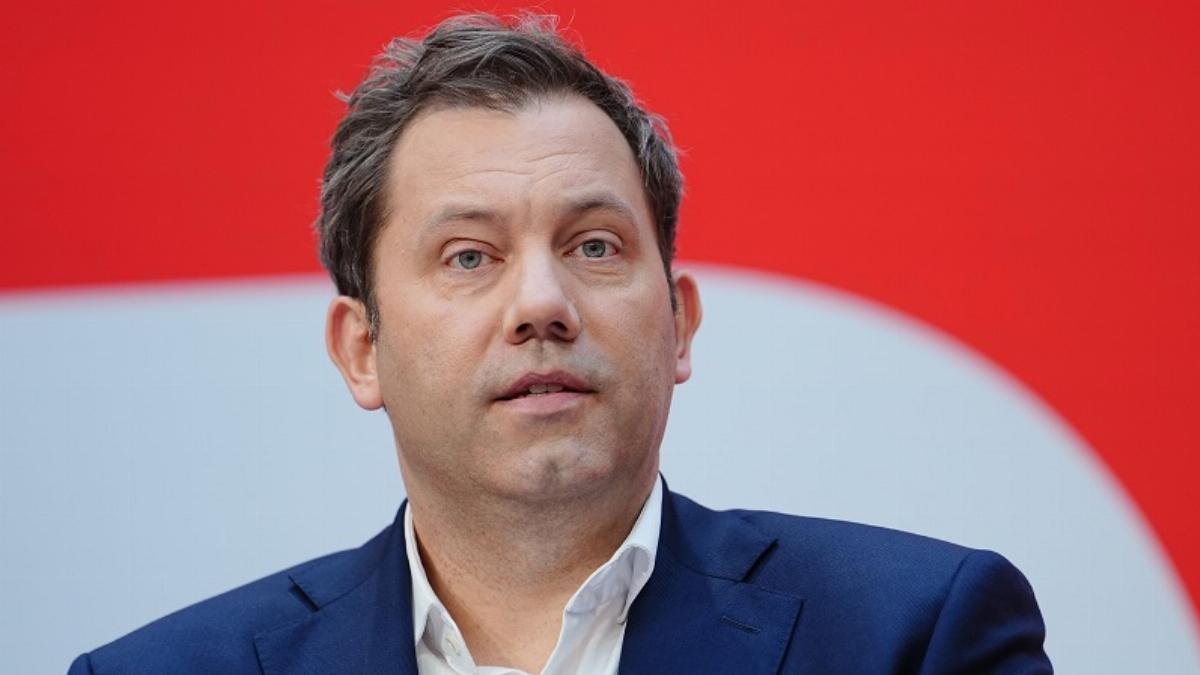
The latest move comes from the camp of SPD leader Lars Klingbeil: abolishing tax allowances for associations and certain corporate gains. Specifically, the existing €5,000 tax allowance for taxable corporations, associations of persons, and pools of assets is set to shrink to a €1,000 exemption threshold starting next year.
That’s not just a numbers tweak—it’s a fundamental shift in how the tax code treats small businesses. Under a tax allowance, the amount remains tax-free up to the defined threshold. Under an exemption threshold, the entire benefit disappears once the threshold is exceeded. So a small business that earned just over €1,000 would lose the entire tax break, not just the portion above the limit.
On top of that, the existing €45,000 allowance for gains from the sale or closure of businesses is to be abolished entirely, as is the allowance for gains from selling shares in corporations. The finance minister reportedly expects these moves to generate around €350 million in additional revenue—a sum Kolbe calls laughable, but small streams add up.
A Growing List of Quiet Raids
The bigger problem, the piece argues, is that these small fiscal abuses are being overlooked as the public focuses on headline issues like the CO2 tax, rising social-security contributions, and the looming reform of inheritance and wealth taxation. But the cumulative effect, Kolbe warns, is a raid on the middle class that is only now gathering pace, as the so-called Merz-Klingbeil duo has let loose the debt handbrake.
The official statistic is that 52.5 percent of German economic output flows through the state apparatus. But that figure, Kolbe insists, is a lie. Including bureaucratic burdens on businesses and households, plus statistical tricks involving state-owned enterprises, the real state share is likely comfortably above 60 percent.
And the borrowing is accelerating. This year, new borrowing is running at more than 5 percent of GDP, with spending up 6 percent, all under the aegis of the federal chancellor. Kolbe’s verdict: More can never be enough in this postmodern German EU design.

The State’s Broken Promises
Kolbe’s critique is unsparing: this is the same state that created the migration chaos, destroyed billions in wealth by shutting down nuclear power, and drove the German economy to the sidelines with a centrally planned energy transition. And now, it’s building a subsidy machine through which around €321 billion flows—money that would otherwise go to real investment, production capacity, and innovation in favor of consumers.
For those schooled in Austrian economics, the message is clear: artificial fiat debt doesn’t create prosperity. Every euro Klingbeil squanders from debt-financed pots will eventually be repaid through inflation and higher taxes. The state crowds out private investment by making credit more expensive and tying up scarce resources in unproductive activities.
A Plea for Reality
Kolbe’s concluding wish is almost sarcastic: he hopes the Keynesian debt apologists are right, and a €100 trillion debt program could catapult the EU into a labor-free paradise. But economics, he reminds us, is the study of scarcity—and reality doesn’t conform to socialist wishful thinking. Digital scraps of paper called fiat credit money can make a few wealthy and inflate the state short-term, but at the end of the day, this catastrophic policy leaves nothing but poverty and misery.
The piece ends with a lament that Germany’s servile mentality, an unconditional belief in the authoritarian state, suffocates resistance. One would wish the experiment would fail quickly, so the economy could be rebuilt and the market economy set to work again—but that, Kolbe fears, is not the German way.
Source: www.americanthinker.com — https://www.americanthinker.com/articles/2026/08/the-spendthrift-state/