
The United States and Israel are showing clear signs of preparing for a potential major confrontation with Iran, according to recent military deployments, civil defense measures, and diplomatic activities that suggest officials on both sides are readying for possible escalation.
The preparations follow nearly two weeks of American strikes against Iranian targets and increasingly aggressive public statements from both Washington and Tehran, though neither government has formally announced plans for a broader offensive.
Pentagon Quietly Expands Military Presence
The Wall Street Journal reported that the Pentagon has quietly expanded its military footprint in the Middle East in recent days. The deployment includes special operations forces, fighter squadrons, and aerial refueling tankers, while bomber aircraft have been placed on heightened alert status.
In what may signal expectations of casualties, approximately 150 additional medical personnel have arrived at Landstuhl Regional Medical Center in Germany, the primary facility where wounded American service members from Middle East operations are treated, according to the Journal.
The military buildup comes after several U.S. service members were killed in recent Iranian attacks. Three American troops died at Muwaffaq Salti Air Base in Jordan, while another soldier was killed in northern Iraq while attempting to detonate an explosive from an Iranian drone.
Israeli Cities Reopen Bomb Shelters
Israel has simultaneously begun implementing civil defense measures that suggest officials are preparing for the possibility of direct Iranian retaliation. Cities across the country have started reopening public bomb shelters in recent days.
Carmel Shama-Hacohen, mayor of Ramat Gan, announced that all public shelters in his city had been reopened following a security assessment. According to the Jerusalem Post, the assessment concluded that “the risk of missile fire from Iran over the weekend has increased and is no longer negligible.”
The southern city of Eilat has also reopened shelters and ordered emergency personnel to remain prepared to open additional facilities on short notice. Israel’s Health Ministry has reportedly reviewed emergency hospitalization plans with hospitals throughout the country.
Israeli journalist Amit Segal reported that the country’s alert levels have reached their highest point, with the Israeli Air Force and Military Intelligence Directorate placed on heightened readiness. Home Front Command personnel have been told to expect potential call-up orders, while reservists and recently discharged soldiers have been warned they could face imminent mobilization.
Despite these local measures, no nationwide changes to Israeli Home Front Command guidance have been issued.
High-Level Intelligence Consultations
Behind the scenes, intelligence chiefs have been coordinating. Segal reported that Mossad Director Roman Gofman traveled to Washington approximately two weeks ago for meetings with CIA Director John Ratcliffe and White House officials.
The timing of these consultations, combined with the visible military and civil defense preparations, suggests coordination between the two allies on potential next steps.
Netanyahu Heads to Washington
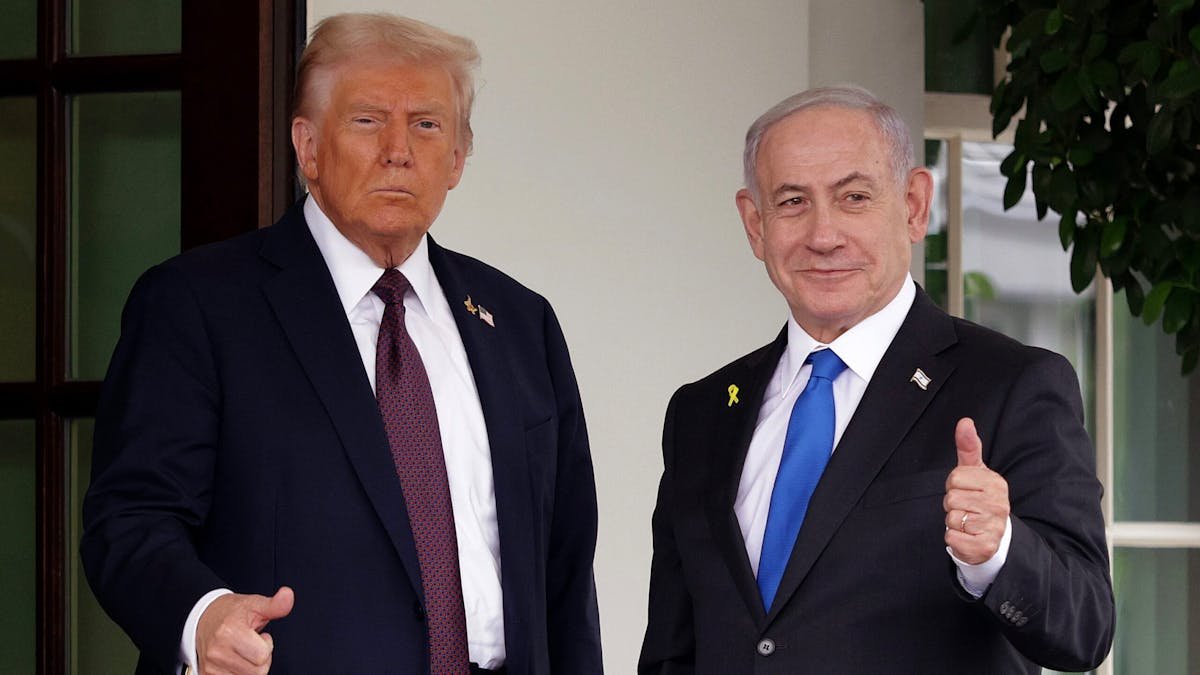
Israeli Prime Minister Benjamin Netanyahu is scheduled to visit Washington next week for discussions with President Trump at the White House. The timing of the visit, amid these preparations, has fueled speculation about the agenda.
In recent days, Trump has significantly escalated his rhetoric against Tehran. He pledged to seize Iranian assets to compensate for damages caused during the conflict and vowed to hold Iran directly responsible for future Houthi attacks on commercial shipping.
The president warned that any Iranian attack on vessels in the Strait of Hormuz would trigger American strikes on bridges or power plants near Tehran. In an interview with Axios, he said he is considering “a massive attack” that would be “bigger than ever before.”
Earlier this month, Trump publicly threatened to strike Iran’s deeply buried nuclear facility known as “Pickaxe Mountain,” saying the United States had “eyes on it” and describing it as “a possible target for a nice big fat shot right in the front door.” The site is believed by analysts to be among Iran’s most heavily fortified nuclear installations.
When asked about Israel’s potential participation in any upcoming attack, Trump stated the country “would join in two minutes if I asked them to,” though he added that “we don’t need anybody.”
Iranian Warnings and Threats
Iran has responded with its own series of warnings and threats. The Islamic Revolutionary Guard Corps issued an unusual public warning to civilians across the Middle East to stay at least 500 meters away from U.S. military installations, a signal that additional attacks could be forthcoming.
Tehran has warned that if Iranian oil exports are blocked, no country will be able to export oil safely, adding that the Strait of Hormuz “will not return to pre-war conditions.” The strait is a critical chokepoint through which roughly one-fifth of global oil supply passes.
Iranian Foreign Minister Abbas Araghchi condemned Trump’s proposal to use frozen Iranian assets for victim compensation, calling it “an incendiary precedent.”
Iran’s Limited Retaliation Strategy
Despite absorbing 13 consecutive nights of American strikes, Iran has largely confined its retaliation to Gulf countries hosting U.S. troops rather than opening a direct front against Israel.
Tehran has struck targets in Bahrain, Kuwait, Iraq, and Jordan, all of which host American forces. While some attacks near Aqaba, Jordan, triggered Israeli air defenses in the nearby city of Eilat, Iran has not unleashed the sustained missile barrages against Israel that characterized previous confrontations.
This restrained approach toward Israel may reflect Iranian calculations about escalation risks, though it remains unclear how long Tehran will maintain this posture if American strikes continue or intensify.
The convergence of military deployments, civil defense preparations, high-level diplomatic consultations, and escalating rhetoric from both sides suggests that officials are preparing for scenarios that could significantly expand the current conflict. Whether these preparations are precautionary or signal imminent action remains to be seen, with next week’s Netanyahu-Trump meeting potentially providing more clarity on what comes next.
Source: www.dailywire.com — https://www.dailywire.com/news/the-signs-u-s-and-israels-most-punishing-move-against-iran-is-closing-in