
The 2015 viral video of marine biologists removing a plastic straw from a sea turtle’s nose became one of the most influential moments in modern environmental activism, triggering a global movement away from plastic straws. But nearly ten years later, that well-intentioned campaign is facing an uncomfortable reckoning: the paper straws adopted as replacements may actually be worse for the environment than the plastic ones they replaced.
The original footage, filmed by then-graduate student Christine Figgener and her team off the coast of Costa Rica, showed the painful extraction of a plastic straw from an olive ridley sea turtle’s nostril. The disturbing images spread rapidly across social media, galvanizing public opinion against single-use plastic straws and prompting restaurants, corporations, and even entire cities to ban them in favor of paper alternatives.
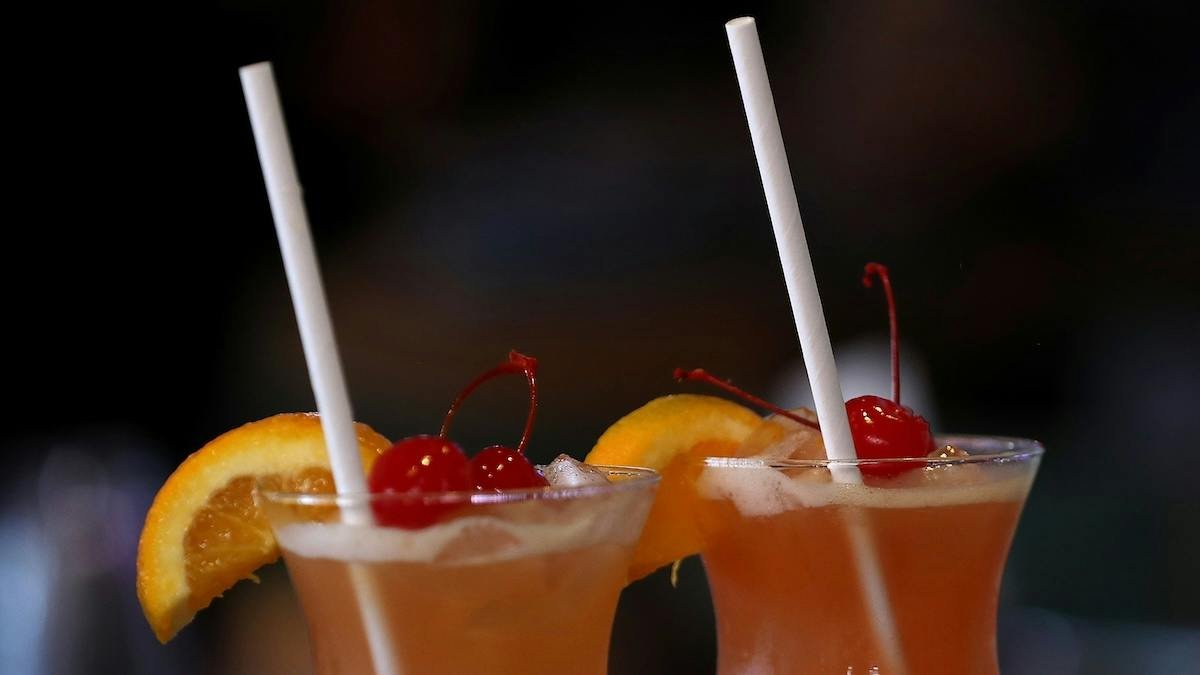
But the environmental calculus behind that shift is now being questioned. Despite the emotional power of the turtle video, plastic straws represent only a tiny fraction of ocean plastic waste. Meanwhile, the paper straws that became ubiquitous in restaurants and bars across America—often deteriorating mid-drink—have proven to have their own environmental drawbacks that weren’t fully considered during the rush to eliminate plastic.

The Reusable Bag Problem
The paper straw debacle isn’t an isolated case. Another staple of eco-conscious consumer behavior—reusable shopping bags—is facing similar scrutiny over whether it delivers the environmental benefits promised. Multiple mainstream publications have recently raised questions about the actual environmental value of cotton and other reusable bags compared to single-use plastic ones.
The Atlantic, The New York Times, The San Francisco Examiner, and The Boston Globe have all published pieces questioning the conventional wisdom on reusable bags. Critics of these articles argue they don’t account for all variables and assume consumers won’t use the bags enough times to offset their greater production impact. But anecdotal evidence suggests many Americans have accumulated drawers full of reusable bags, lending credence to concerns about insufficient usage.
Simple Solutions to Complex Systems
The pattern emerging from these environmental miscalculations points to a broader problem: attempting to solve intricate ecological challenges with overly simplistic solutions. The difference between conservation—which has given America its national parks and protected wetlands—and modern environmentalism can sometimes produce counterintuitive results, according to critics of certain environmental policies.

Some environmental initiatives have had unintended negative consequences. Policies promoting corn-based ethanol as a fuel alternative, for instance, created financial incentives that led to the draining of some wetlands for agricultural production—the opposite of conservation goals.
The wooden utensils that have appeared at some events as plastic alternatives represent another example of good intentions potentially missing the mark. These implements have drawn complaints from users who find them impractical compared to both plastic and traditional metal options.
When Predictions Don’t Match Reality
Environmental predictions haven’t always aligned with outcomes. The Great Barrier Reef, repeatedly forecast to face imminent collapse due to human activity, has instead shown resilience and is currently in relatively healthy condition—a result that defies earlier dire projections.

Meanwhile, on land, forest management practices offer a contrasting lesson. For decades, policies discouraged active forest management, allowing combustible material to accumulate on forest floors. This approach has contributed to more severe wildfires in recent years. Historical evidence shows that Native American populations actively managed forests through controlled burning and land cultivation—practices that reduced fire risk while maximizing the land’s utility.
Sometimes Nature Knows Best
A recent case from the Brdy region of the Czech Republic illustrates how human bureaucracy can sometimes be outpaced by natural solutions. Local officials spent seven years debating permits for dam construction, with an estimated cost of $1.2 million. During that time, beavers built their own dams in the area, solving the problem without permits or public expenditure. The beaver-built structures also proved better at filtering out pollutants than human-engineered alternatives would have been.
Authorities chose not to demolish the unpermitted beaver dams, effectively allowing nature to provide the solution humans had been arguing about for years.
The Path Forward
The legacy of the turtle-and-straw video raises questions about how environmental policy gets made in the social media age. Viral images can drive rapid change, but the complexity of ecological systems often requires more thorough analysis than a single emotional moment can provide.
As the limitations of paper straws and other rushed environmental solutions become clearer, some advocates are calling for more measured approaches that account for the full lifecycle and systemic impacts of alternatives before implementing sweeping changes. The goal remains protecting the natural world and the species that inhabit it—from sea turtles to reef systems—but doing so effectively may require resisting the impulse toward quick, visible fixes in favor of solutions backed by comprehensive analysis.
The wooden fork experience at lunch events, the drawer full of unused reusable bags, and the soggy paper straw in a tropical drink all serve as small reminders that good intentions don’t always translate to good outcomes—and that sometimes the most environmentally sound approach is to fully understand a problem before rushing to fix it.
Source: www.dailywire.com — https://www.dailywire.com/news/a-turtle-a-straw-and-a-decade-of-bad-ideas