

A new firearms survey is stirring debate over the scope of American gun ownership and defensive gun use, with findings that challenge both anti-gun narratives and the reliability of self-reported data on firearms.
Georgetown Professor William English has released his 2026 National Firearms Survey, a follow-up to his 2021 study, revealing what he describes as conservative estimates of gun ownership and defensive use across the United States. According to the survey, at least 32.7% of U.S. adults own firearms—a figure that translates to roughly 88 million gun owners, with approximately 46% being female.
The survey also found that 14.4% of gun owners report they “often carry a defensive firearm,” and that firearms are used defensively in approximately 2.2 million incidents annually. In 76.3% of these defensive encounters, no shots were fired—up from 81.9% in the 2021 survey.
The Survey’s Methodology Challenges
Writing for American Thinker, retired police officer and firearms instructor Mike McDaniel argues these numbers are likely significant underestimates. The reason? Gun owners have grown increasingly reluctant to participate honestly in surveys about their firearms.
“Normal Americans don’t respond to and mistrust gun surveys and polls,” McDaniel contends, pointing to what he describes as widespread skepticism among gun owners about the motives behind such research. He argues that experience has taught many Americans—”largely but not exclusively Republicans”—that survey administrators often carry “blatant political bias, unfailingly toward the left.”
This mistrust, McDaniel suggests, manifests in several ways: many gun owners simply refuse to respond to surveys, while others who do participate aren’t entirely forthcoming about their ownership or carrying habits. The result is data that may significantly undercount the true extent of American gun ownership and defensive use.
Defensive Gun Use Numbers
The 2.2 million defensive use figure represents a key battleground in Second Amendment debates. McDaniel notes this number has been “repeatedly verified for many years,” pointing to research conducted even during the Clinton Administration that found 1.5 million yearly defensive uses—despite that administration’s support for gun control measures.
One factor that may contribute to undercounting: most people who successfully deter criminals without firing a shot don’t file police reports. According to the survey, roughly three-quarters of defensive gun uses involve no shots fired, meaning the vast majority of these incidents likely never enter official statistics.
The survey also revealed details about the nature of these encounters. Over half of gun owners who used their firearms defensively—50.8%—faced more than one assailant, with 32.9% encountering two attackers and 17.9% facing three or more.
Concealed Carry Trends
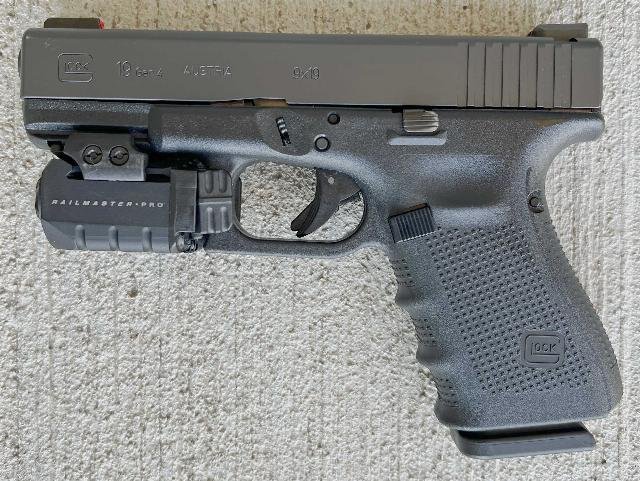
The finding that 14.4% of gun owners often carry defensive firearms is complicated by the changing legal landscape. At least 29 states now have “constitutional carry” laws requiring no permit to carry weapons, making precise numbers difficult to establish.
While some evidence suggests concealed carry license numbers have declined, McDaniel argues this likely reflects the fact that permits are no longer required in these states rather than any decrease in actual carrying behavior. Even accepting the survey’s conservative figure, 14.4% of 88 million gun owners means approximately 13 million people carrying firearms—vastly outnumbering the roughly 750,000 local, state, and federal police officers in America.
McDaniel argues that concealed carry is working as intended: “criminals know anyone could be carrying a gun, so must act as though everyone is.”
Implications for Supreme Court Cases
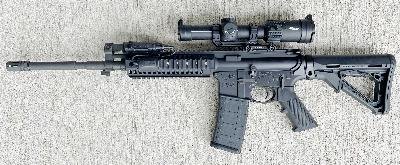
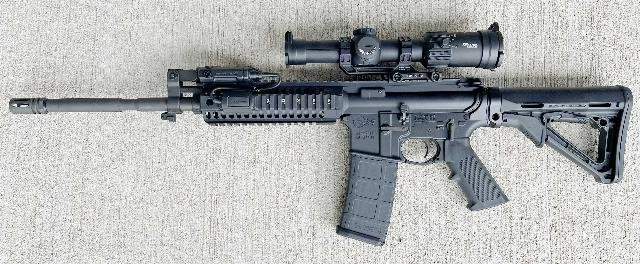
The survey found approximately 40 million AR-15-type rifles in civilian hands, along with more than 500 million magazines with at least 10-round capacity. These figures carry particular weight as the Supreme Court considers several cases on the constitutionality of such firearms.
Even if these are conservative estimates, the numbers appear to meet the Court’s own “in common use” standard for determining which arms receive Second Amendment protection—a test that could prove decisive in ongoing legal battles over so-called “assault weapon” bans and magazine capacity restrictions.
The Trust Gap
Beyond the specific findings, the survey highlights a broader challenge in understanding American gun ownership: the trust gap between researchers and gun owners. McDaniel argues that recent election cycles have revealed polls and surveys increasingly serve as “vehicles designed to suppress Republican voting” rather than neutral instruments for gathering information.
This perception—whether accurate or not—creates a self-fulfilling problem for researchers. If gun owners believe surveys are biased against them, they’re less likely to participate honestly, which in turn makes it harder to obtain reliable data about firearms ownership and use.
The reluctance extends beyond political surveys. According to McDaniel, many Americans who carry firearms in technical violation of local laws won’t admit to doing so in surveys, further complicating efforts to understand the true scope of gun carrying in America.
Female Gun Ownership
One notable finding is that approximately 46% of gun owners are female—a figure that challenges stereotypes about gun ownership being predominantly male. McDaniel notes that “now more than ever, Democrats are buying guns to protect themselves against Democrats,” suggesting that gun ownership is expanding across traditional political boundaries.
This demographic shift could have significant implications for future gun policy debates, as female gun owners may bring different perspectives and priorities to Second Amendment issues than the historically male-dominated gun rights movement.
Whether English’s survey accurately captures the scope of American gun ownership or significantly undercounts it due to respondent reluctance, the findings present a picture of widespread firearms ownership and frequent defensive use—one that sits uncomfortably with calls for stricter gun control measures. As the Supreme Court weighs cases involving commonly owned firearms, these numbers may provide crucial context for determining which weapons receive constitutional protection.
Source: www.americanthinker.com — https://www.americanthinker.com/blog/2026/11/a-new-survey-is-bad-news-for-anti-liberty-gun-cracktivists/