

Children born through frozen embryo transfers face substantially higher childhood cancer rates than their naturally conceived peers, according to a large-scale Danish study that tracked over one million births across nearly two decades.
The research, which examined 1,086,136 live births in Denmark between 1996 and 2012, documented 3,736 cancer cases and found cancer incidence rates more than doubled among children born from frozen embryos compared to those conceived without assisted reproductive technology (ART).
While researchers emphasized that absolute risks remained low overall, the findings revealed a concerning pattern. Children born after frozen embryo transfer showed a cancer rate of 41.1 per 100,000 person-years, compared to 18.3 per 100,000 among naturally conceived children. Overall ART procedures showed a rate of 23.6 per 100,000.
Procedure-Related Rather Than Infertility-Related
The study specifically noted the elevated cancer risk appears “procedure-related, rather than infertility-related,” a distinction that points to the techniques themselves as potential factors rather than underlying fertility issues in parents.

Denmark presents an important case study for this research, as the country maintains one of the world’s highest rates of assisted reproduction. Approximately 10 to 12 percent of Danish babies are born through fertility interventions like in vitro fertilization (IVF) and intracytoplasmic sperm injection (ICSI), where a single sperm cell is directly injected into a mature egg.
Notably, children born through IVF using fresh embryos — those implanted within three to five days after egg retrieval — showed no specific cancer associations. The elevated risks appeared concentrated among frozen embryo transfers and ICSI procedures.
Specific Cancer Types Identified
The Danish data revealed particular cancer types affected children born from frozen embryos. These children experienced a pediatric leukemia incidence rate of 11.1 per 100,000, a lymphoma rate of 3.03, and a soft tissue sarcoma rate of 7.63.
Children conceived through ICSI also showed significant associations with lymphomas, soft tissue sarcomas, and an 8.2 per 100,000 incidence rate for central nervous system neoplasms.
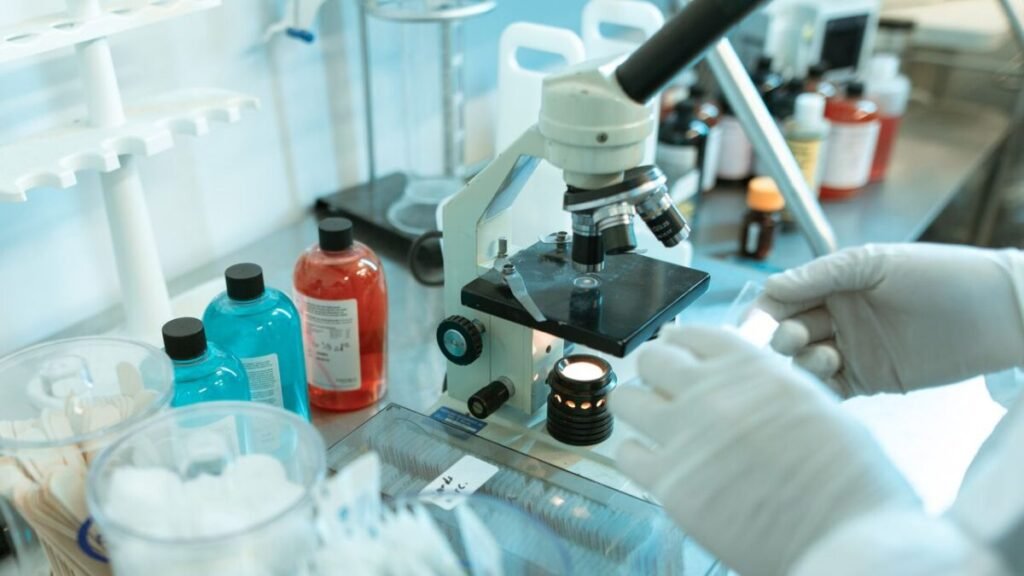
The study’s significance stems partly from its scope and duration, making it one of the longest and largest scientific examinations of children born using assisted reproductive technology. This research becomes particularly relevant given that most IVF transfers globally now involve frozen embryos rather than fresh ones.
Growing Questions About Long-Term Safety
According to The Federalist, Josh Wood, executive director at Them Before Us, highlighted a critical gap in understanding long-term outcomes. “Nobody yet has long-term data on IVF as it is done today. Children conceived with today’s methods won’t have 20 years of data until the 2040s, so today’s IVF children are, in effect, the trial,” Wood stated.
The frozen embryo cancer findings add to an expanding body of research documenting various health risks associated with ART conception. Previous studies have linked IVF-conceived children to higher rates of preterm delivery, low birth weight, congenital heart problems, neurodevelopmental disorders, potential long-term metabolic issues, and various birth defects.
Mothers undergoing these procedures also face significant health risks. Women who carry IVF-conceived babies can experience ovarian hyperstimulation syndrome following egg retrievals, adverse reactions to fertility drugs, infection, bleeding, bowel perforation, ectopic pregnancy, and increased risk of major postpartum hemorrhage. Research has also documented a “transient increase” in certain cancer risks for women undergoing fertility interventions.
Industry Transparency Concerns
According to The Federalist’s reporting, comprehensive data about ART risks isn’t always readily available to prospective parents. The outlet noted that in some assisted reproduction areas, particularly commercial surrogacy, established data exists but receives less public attention, potentially because highlighting measurable harms could trigger regulatory scrutiny and affect industry profitability.
An estimated 1.2 million unused frozen embryos currently remain in storage across the United States, with millions more preserved in cryopreservation facilities worldwide. The vast majority of these embryos will never be implanted, instead remaining indefinitely frozen until eventual disposal or use in research.
The Danish study’s findings arrive as assisted reproductive technology grows increasingly popular and profitable. However, the research suggests questions about long-term safety and full disclosure of procedural risks deserve greater attention from both the medical community and prospective parents considering these interventions.
The researchers’ careful notation that absolute cancer risks remain low provides important context, yet the statistically significant elevation in cancer rates among frozen embryo transfers — particularly the doubling compared to natural conception — presents information that advocates argue should factor prominently in informed consent discussions between fertility specialists and patients.
Source: thefederalist.com — https://thefederalist.com/2026/10/30/study-links-frozen-embryo-transfers-to-higher-rates-of-childhood-cancer/