
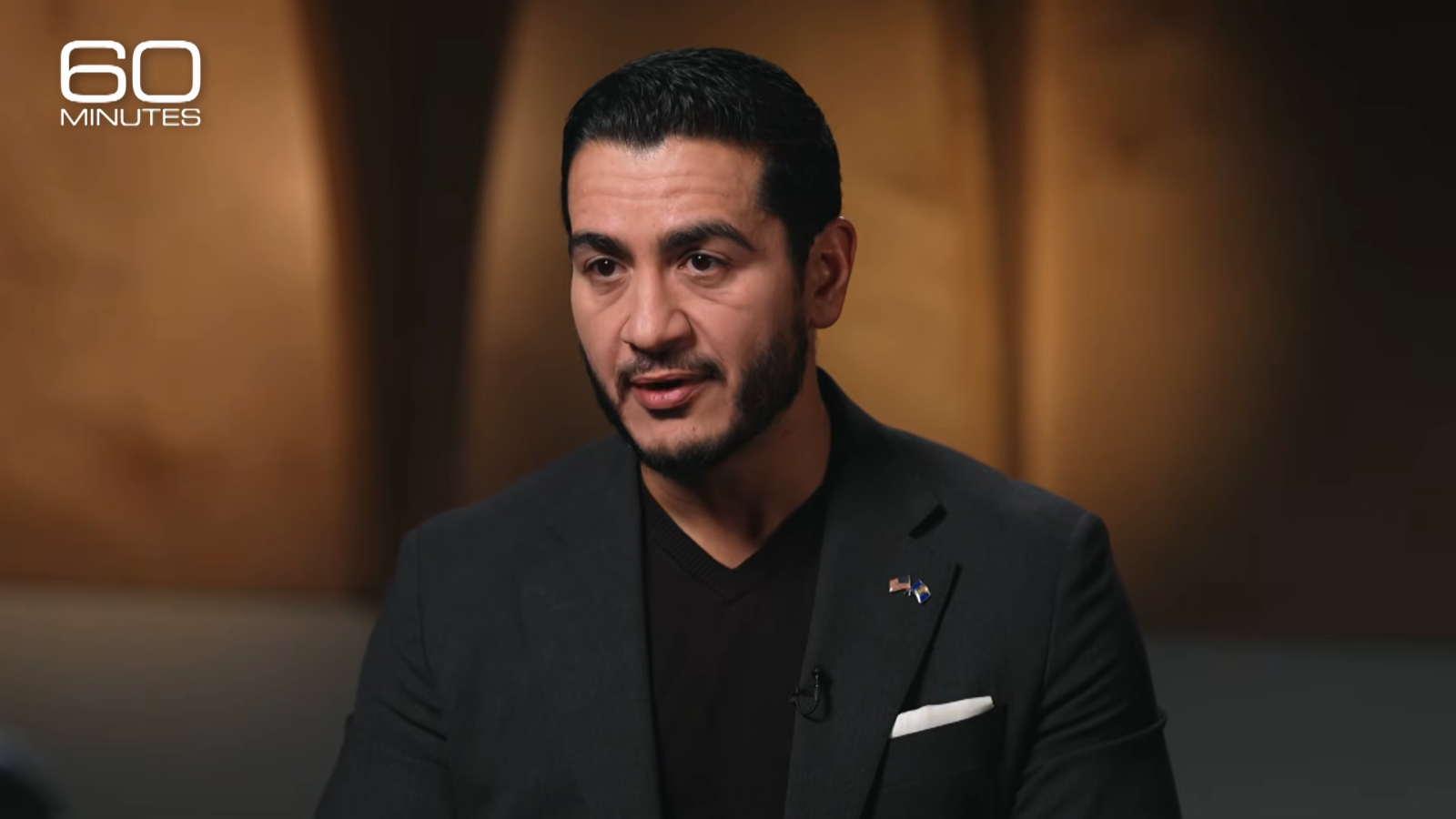
Wayne County officials have told Michigan voters they will have to wait until after Election Day to see public records related to Senate candidate Abdul El-Sayed’s official communications following the Oct. 7, 2023 Hamas attack on Israel.
The delay has sparked questions about transparency as voters prepare to cast ballots in one of the nation’s most closely watched Senate races, particularly among Jewish voters who have expressed concerns about El-Sayed’s positions on Israel.
The Records Request
An independent journalist covering antisemitism submitted a Freedom of Information Act request on Sept. 18 seeking emails to or from El-Sayed during his tenure as Wayne County’s health director. The request specifically targeted messages sent between Oct. 5 and Nov. 1, 2023, containing keywords related to Israel, Gaza, Hamas, and the conflict that began with Hamas’s attack on Israeli civilians.

The timing of the request stems from public statements made by El-Sayed’s half-sister, Eman Abdelhadi, who posted on social media platform X that the attackers had “been held in an open prison for 16 years” and were “finally fighting their oppressors.” While El-Sayed has stated he disagrees with some of his sister’s views, the journalist sought to determine whether he disagreed with her characterization of the Oct. 7 attack.
Extended Timeline and Costs
Wayne County initially took a 10-business-day extension before sending a bill for the records. On Oct. 14, the county informed the requestors that processing would require at least 75 days and cost $757.20. The county also automatically closed the request.
In an attempt to expedite the process, the journalist narrowed the scope significantly, requesting only emails sent by El-Sayed himself rather than correspondence to and from him. The date range was reduced from 28 days to just nine days, covering Oct. 7 through Oct. 15, 2023. Three keywords were also offered to be removed from the search parameters.

Despite the dramatically reduced scope, Wayne County took another 10-day extension and set a response deadline of Nov. 6, three days after the election.
Questions About Timing
The journalist questioned why the county needed additional time to process records it had already located during the initial search. Filtering the previously retrieved search results to cover only nine days instead of the original 28 would take just minutes, according to the request.
When asked why this couldn’t be done quickly, Wayne County declined to provide an explanation. County attorney Kathryn Levasseur-Cousin told the journalist that the health department would respond within the timeframe allowed under Michigan’s FOIA statute. She noted that the requestors could alternatively pay for a review of records already retrieved under the first request.
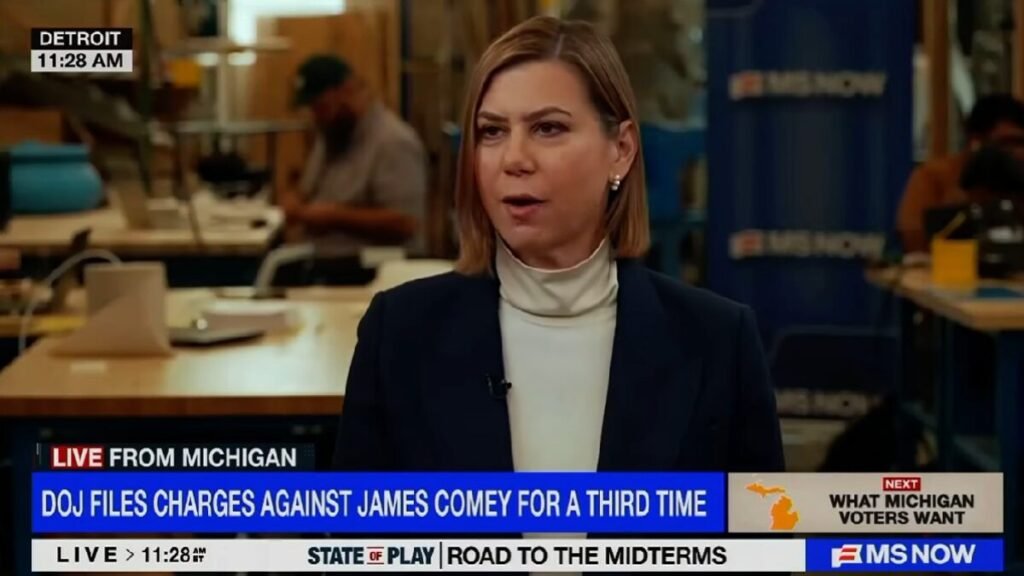
Under either scenario, Michigan voters are unlikely to see El-Sayed’s emails before heading to the polls.
Significance for Voters
Michigan’s Freedom of Information Act is designed to provide public access to information about government operations and the conduct of government officials. The emails could be particularly relevant as voters evaluate a government official who is seeking elevation to the United States Senate.
The records hold special interest for Jewish voters in Michigan, many of whom have expressed hesitation about supporting El-Sayed due to his outspoken criticism of Israel. Additional concerns arose from El-Sayed’s response to an incident in which an Islamist terrorist drove a truck into a synagogue preschool and fired shots from an AR-15. El-Sayed’s comment that “hurt people hurt people” was seen by critics as minimizing the attack.
Call for Transparency
The journalist argues that Wayne County still has time to reverse course and release the emails before Election Day. With the county having already located relevant records weeks ago during the initial search, and with the revised request covering a much narrower timeframe, the information could theoretically be provided to voters before they cast their ballots.
The situation highlights ongoing tensions in Michigan over transparency in government and the public’s right to information about candidates seeking higher office, particularly when that information involves their conduct and statements while serving in official positions.
As of publication, Wayne County has not indicated whether it will expedite the release of the records before Tuesday’s election.
Source: thefederalist.com — https://thefederalist.com/2026/11/02/what-did-abdul-el-sayed-say-after-october-7-wayne-county-wont-let-voters-see/