
The Question of Divided Loyalties
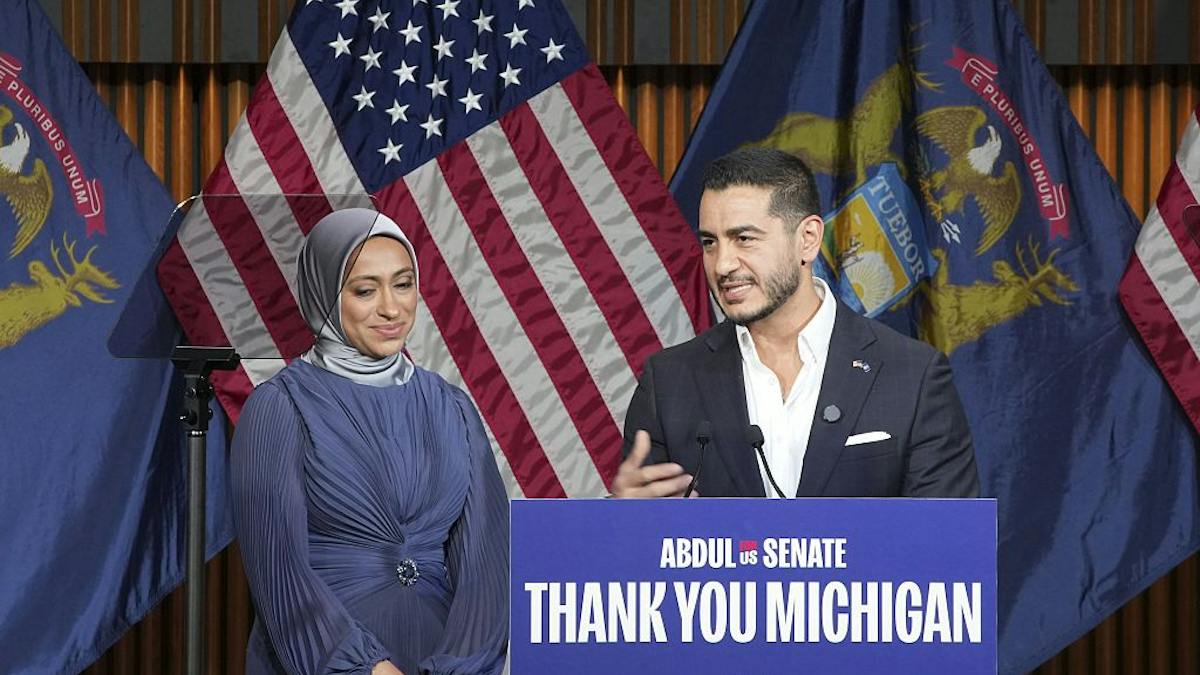
Michigan made history by electing Abdul El-Sayed as the first Muslim U.S. senator, but critics are asking whether his faith will conflict with his constitutional oath. Conservatives argue that Islamic doctrine—Sharia law—prioritizes religious governance over secular legal structures, creating potential tension between El-Sayed’s faith and his duties in public office.
A Victory Framed by Religion
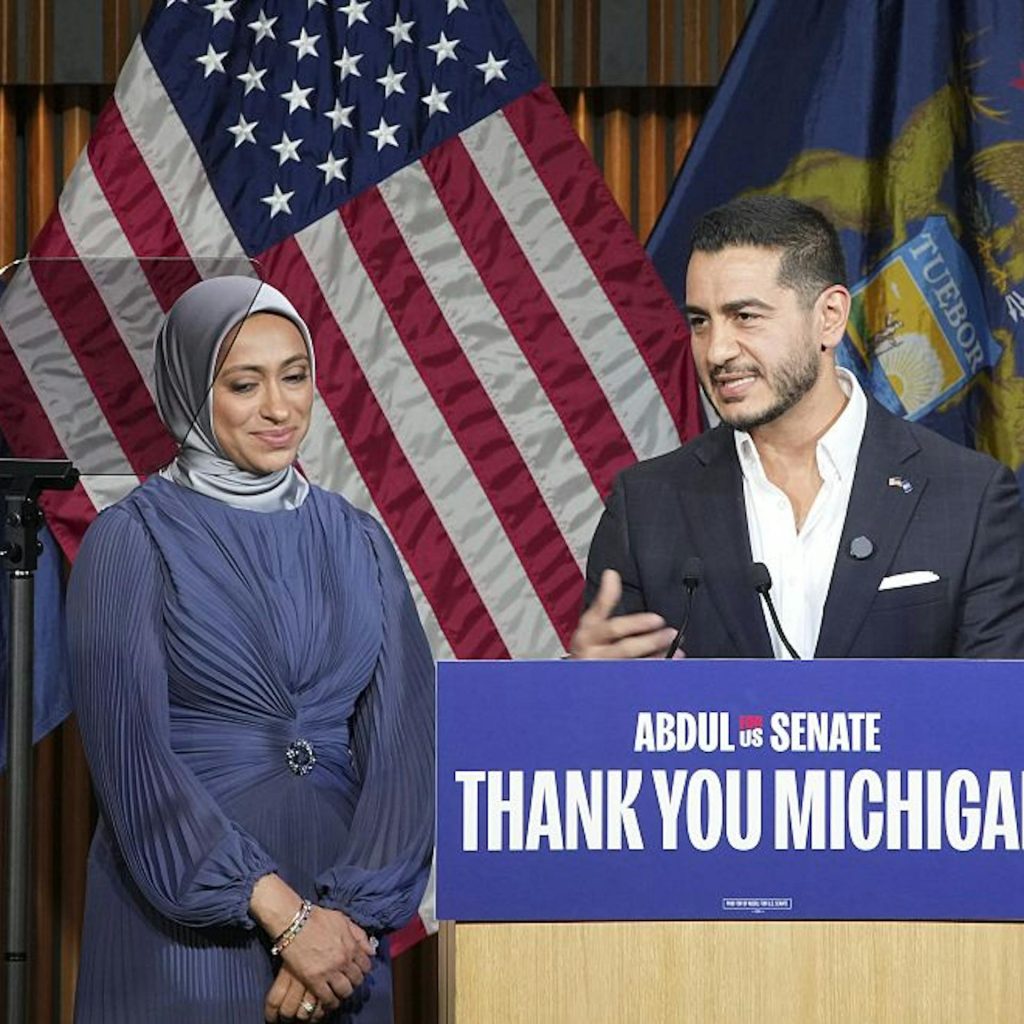
El-Sayed’s election night celebrations were steeped in religious symbolism. Rather than emphasizing policy, he was introduced as the nation’s first Muslim senator, and his invocation of Islamic phrases like “inshallah” and “Alhamdulillah” drew roaring applause. Critics contend this framing suggests that his religious identity, not policy pragmatism, defines his political ascent.

Sharia Law vs. Constitutional Allegiance
Opponents demand El-Sayed clarify whether Sharia rulings—particularly on issues like apostasy, women’s rights, and blasphemy—could ever supersede U.S. constitutional principles. The question mirrors the scrutiny Catholic politicians like John F. Kennedy faced in 1960, but El-Sayed has yet to address it directly, instead focusing on progressive issues like Medicare for All and opposing unconditional aid to Israel.

Islamic Political Identity Under Scrutiny
Unlike many faiths that compartmentalize personal belief from public service, Islam has historically intertwined religious and political authority. Critics argue that Muslim leaders, even in secular democracies, often view political power as a tool for advancing Islamic influence—raising concerns about whether El-Sayed’s priorities align with national interests.
The Israel Factor
El-Sayed’s opposition to unconditional U.S. support for Israel has fueled further debate. Some argue his stance aligns with broader Islamic historical narratives that challenge Jewish sovereignty, while others see it as a progressive policy position. The controversy reflects deeper tensions over foreign policy priorities and religious motivations.
Silence as Complacency?
Critics claim mainstream institutions—media, academia, and religious leaders—have failed to educate voters on Islam’s political dimensions, allowing symbolic ‘firsts’ to overshadow substantive questions about governance and constitutional fidelity. Until these concerns are addressed, skeptics warn, religious identity politics may continue to shape elections without accountability.
Source: www.dailywire.com — https://www.dailywire.com/news/the-core-question-for-americas-first-muslim-senator