
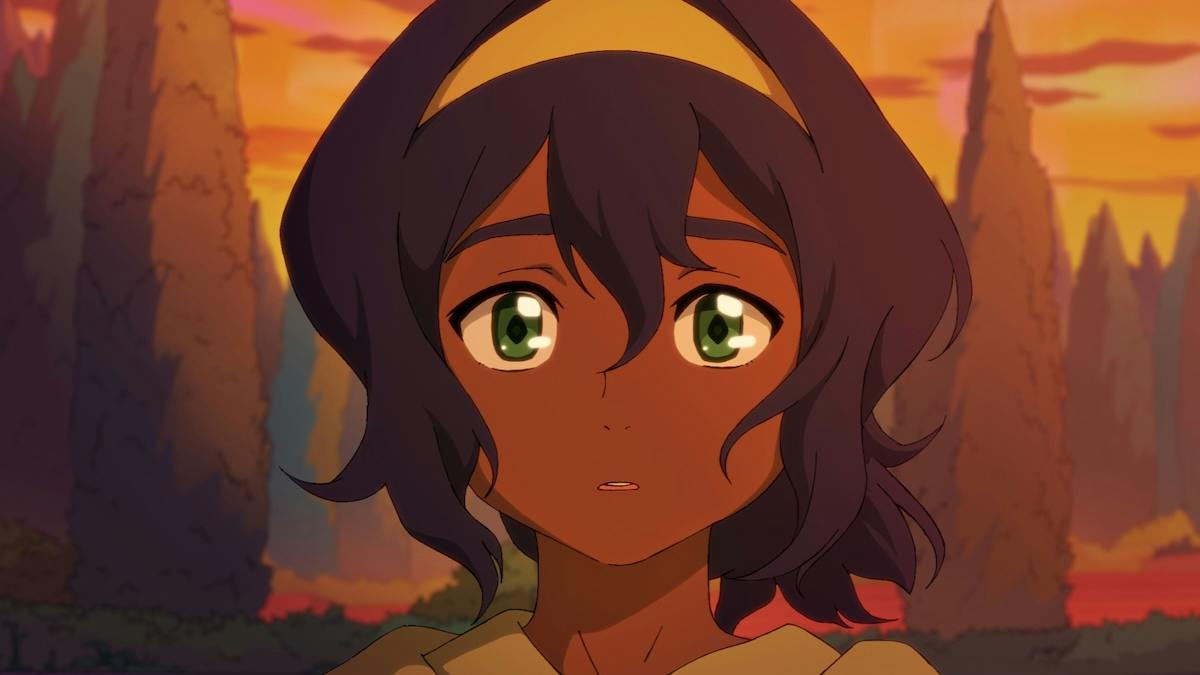
The latest installment in the Avatar franchise, Avatar: Seven Havens, has ignited controversy among fans and critics alike for what many see as a departure from the fundamental elements that made the original series, Avatar: The Last Airbender, a cultural phenomenon. The new show, now streaming on Paramount+, has been accused of prioritizing contemporary political agendas over the rich storytelling and cultural authenticity that defined its predecessor.

A Legacy of Depth and Authenticity
The original Avatar: The Last Airbender was celebrated for its meticulously crafted world, drawing inspiration from real-world cultures and philosophies. Each nation in the series—Earth Kingdom, Fire Nation, Water Tribes, and Air Nomads—was deeply rooted in specific historical and spiritual traditions, from Chinese dynasties to Tibetan Buddhism. The show’s creators, Michael Dante DiMartino and Bryan Konietzko, worked with cultural consultants and martial arts experts to ensure authenticity, even in the bending techniques, which were based on real Chinese martial arts styles.

A New Direction for the Franchise
Set 225 years after The Legend of Korra, Seven Havens introduces a post-apocalyptic world where the four nations have collapsed, replaced by seven city-states. The new Avatar, Pavi, shares the title with her twin sister, Nisha, marking a significant shift from the original lore. Critics have pointed to changes like replacing the iconic Chinese character elements with Hindu chakra symbols as evidence of a broader cultural overhaul. While the original series incorporated South Asian influences, the new changes have been seen as erasing the East Asian foundations that were central to the original’s identity.

Moral Ambiguity vs. Moral Truth
Another point of contention is the show’s approach to morality. Co-executive producer Sehaj Sethi stated at New York Comic Con that there are “no villains” in Seven Havens, only “protagonists and antagonists” with differing perspectives. This stance has drawn sharp criticism, with detractors arguing that the original series’ emotional weight relied on clear moral stakes—such as Zuko’s redemption arc against the unambiguous evil of Fire Lord Ozai. The absence of defined villains risks turning the narrative into a relativistic mess where “nothing really matters,” as one critic put it.
Representation and Backlash
The introduction of the franchise’s first on-screen gay couple in episode three has also sparked debate. While some celebrate the inclusion, others accuse the show of pandering to contemporary social agendas at the expense of storytelling. The show’s 100% critics’ score on Rotten Tomatoes contrasts sharply with its 80% audience score, highlighting a divide between professional reviewers and longtime fans.
A Franchise at a Crossroads
For many, Seven Havens represents a broader trend in Hollywood: repurposing beloved properties to serve modern ideological goals rather than honoring their original spirit. Kangmin Lee, a Korean-American commentator, sums it up: “Hollywood inherited an extraordinary world built around the preservation of culture, tradition, and moral responsibility, and somehow its idea of moving that world forward is to tear it all down.” Whether fans will embrace this new direction or reject it as a hollow imitation remains to be seen.
Source: www.dailywire.com — https://www.dailywire.com/news/avatar-seven-havens-erases-everything-that-made-the-last-airbender-great
Source: www.dailywire.com
Related coverage
- Zelensky Says Drone Strikes on Yandex Data Centers Cut Online Hate: ‘Fewer Bots’
- Guterres Says U.N. Must Lead on AI, Dismissing ‘Hoax’ Claims from Trump and Zuckerberg
- Boston’s Immigrants Lead Program Pays Non-Citizens $575 to Train as Activists — American Citizens Barred
- Thousands March in Ceuta Demanding Border Crackdown and Deportations Two Months After Migrant Influx