
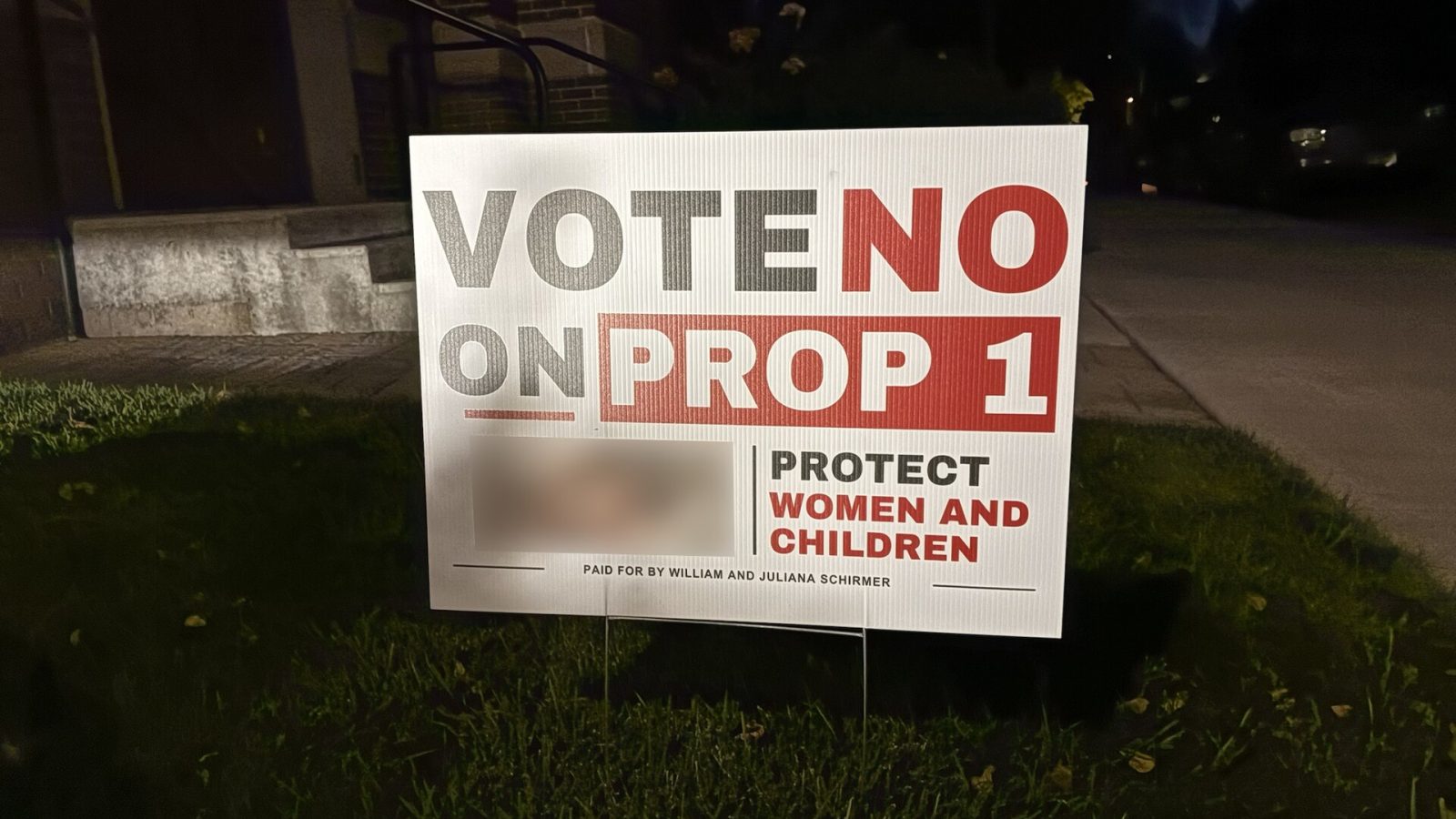
While Republicans suffered major losses in key races during the 2026 midterms, statewide ballot initiatives presented a more nuanced political landscape, with conservative-backed measures scoring key victories in some states while progressive policies prevailed elsewhere.
Abortion Measures See Mixed Results
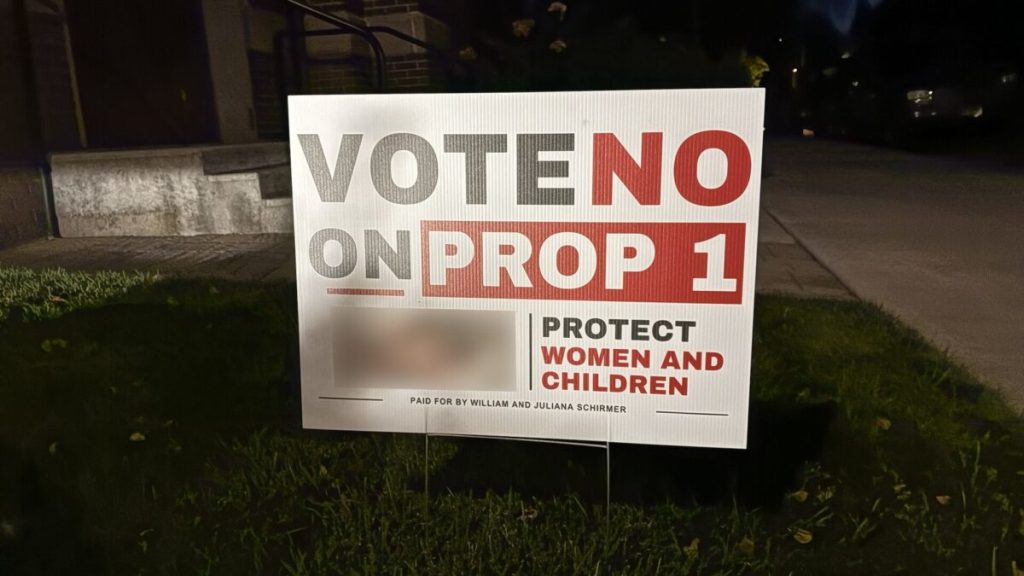
Idaho voters rejected Proposition 1, a Democratic-backed measure that would have enshrined a broad “right to reproductive freedom” in the state constitution, preserving the state’s existing abortion restrictions. However, Missouri voters narrowly defeated a GOP-led effort to repeal a 2024 amendment that protected abortion rights, with preliminary results showing a 55-45% split against repeal. Meanwhile, Virginia and Nevada voters approved constitutional amendments formally establishing abortion rights.

Voter Integrity Measures Gain Traction
Several Republican-led states successfully passed measures tightening voting rules. Arkansas, Alaska, Kansas, South Dakota, and West Virginia all approved constitutional amendments restricting voting to U.S. citizens. Nevada, North Carolina, and Ohio also passed initiatives codifying voter ID requirements. However, Colorado and California voters rejected similar voter ID proposals, signaling continued partisan divides on election laws.
Redistricting Battles Lean Democratic
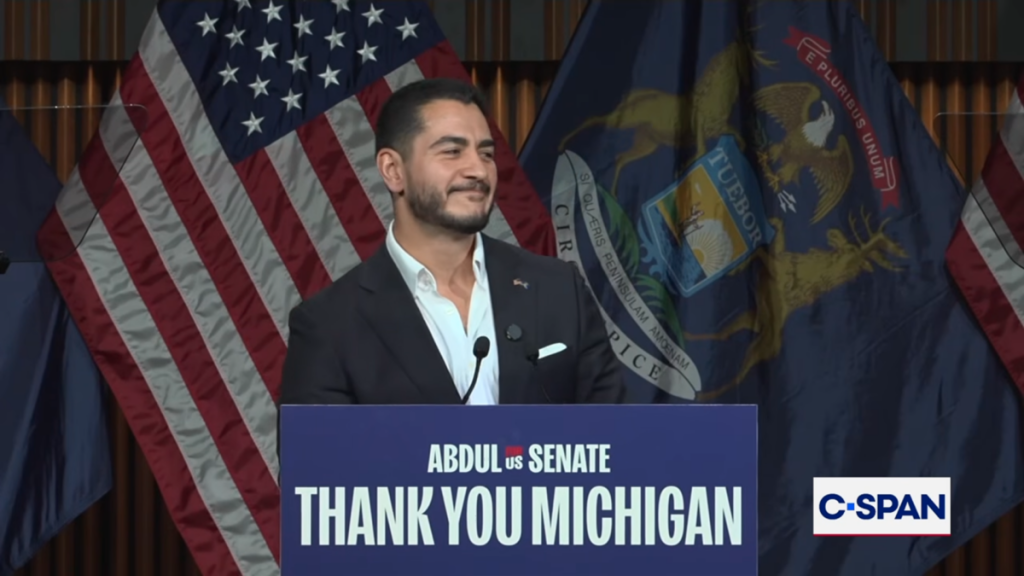
GOP hopes of expanding congressional maps faltered in key states. Missouri voters overwhelmingly rejected a Republican-backed redistricting proposal that would have secured a seventh GOP congressional seat. In Maryland, Democrats successfully pushed through a redistricting initiative threatening the state’s sole Republican representative. A closely watched Colorado redistricting amendment, designed to restrict mid-decade map changes, remained too close to call.
Culture War Issues Highlight Partisan Fault Lines
Conservative victories included Arizona and Nebraska measures barring transgender athletes from women’s sports, while Vermont passed expansive LGBT protections. Virginia repealed a constitutional provision recognizing traditional marriage. Wisconsin voters blocked an amendment protecting churches from emergency closures, reigniting debates over COVID-era restrictions. Several closely watched measures affecting transgender youth healthcare remained undecided as ballots continued to be counted.
Criminal Justice and Immigration Policies Shift
Arkansas voters reaffirmed Second Amendment protections, while Indiana and Tennessee passed tough-on-crime bail reforms. Arizona approved a hardline measure classifying drug cartels as terrorist organizations, escalating border policy tensions. The patchwork of results underscores how ballot initiatives continue to serve as an alternate battleground for national policy debates when electoral outcomes disappoint partisan bases.
Source: thefederalist.com — https://thefederalist.com/2026/11/04/heres-the-good-and-bad-of-2026-midterm-ballot-initiatives/
Background and context
The latest developments around Conservative and Progressive Ballot Measures Split Outcomes in 2026 Midterms come amid a broader debate over politics, institutional accountability, and the policy choices that shape everyday life. Understanding the immediate facts is only the first step; the wider impact depends on how officials, institutions, and the public respond in the days and weeks ahead.
FedFront’s coverage focuses on verifiable details, identifiable sources, and the practical consequences of political decisions. Readers should review official statements, primary documents, and court or agency records before drawing final conclusions about any disputed claims.
Why it matters
Stories like this can influence legislation, regulatory enforcement, public trust, and the balance of power between government institutions. Even when the immediate headline fades, the underlying policy, legal, or political questions often continue to shape future decisions.
What to watch next
- Official responses, statements, or policy changes
- Legislative, regulatory, or court action
- Follow-up reporting and independent verification
- Public reaction and broader political fallout
FedFront will continue monitoring this story and update coverage as new information becomes available.
Source: thefederalist.com
Related coverage
- Brewers Sweep Dodgers to Reach First World Series Since 1982
- Texas Senator-Elect James Talarico Calls ICE a ‘Secret Police Force’ Targeting Immigrant Families
- Sharon Stone Says Quitting Marijuana Made Her ‘Sick,’ Warns of Modern Cannabis Potency
- Tennessee Execution of Christa Pike Halted Mid-Procedure as Governor Suspends All Executions