
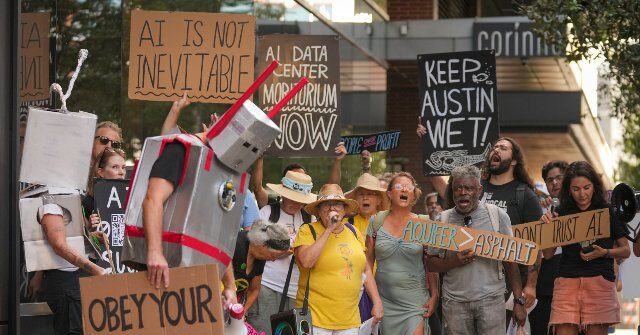
The data center industry emerged as one of the biggest losers of Tuesday’s midterm elections, with voters across the country overwhelmingly supporting restrictions or outright moratoriums on new developments. According to CNBC reports, data center-related measures appeared on ballots in at least 41 jurisdictions spanning 10 states – and voters approved limitations in 40 of those contests.
Local Governments Push Back
In Ohio, at least 14 municipalities passed bans or restrictions, including Sunbury where Amazon had proposed a $2 million data center project. Maine saw eight towns impose temporary moratoriums, while voters in Emporio, Kansas approved a ban on high-impact data centers after a proposed 1,000-acre gigawatt-scale facility raised concerns. The sole exception came in tiny Hardwood, North Dakota (population under 1,000), where voters rejected development restrictions.
Governors Races Shift Dynamics
The anti-data center sentiment reached state-level politics too. In a major upset, Democrat Gina Hinojosa defeated Texas Governor Greg Abbott after campaigning on moratoriums and tighter industry regulations. Even Abbott had begun distancing himself from his previous data center-friendly policies late in his term, pushing to end electricity subsidies for the sector.
Similar dynamics played out in other statewide races. Keisha Lance Bottoms won Georgia’s governorship pledging moratoria on large data center projects, while Amy Acton’s Ohio victory came with a promise to curb developments. Florida got ahead of the curve – Governor Ron DeSantis signed legislation in May imposing strict regulations on large-scale data centers.
Industry and Market Impact
Wall Street analyst Dan Ives warned the election results will significantly slow data center expansion, particularly with divided government complicating federal AI and tech legislation. He singled out Texas – home to 25-30% of the nation’s data center capacity – as the biggest concern, calling Hinojosa a ‘known anti-datacenter politician.’
Elon Musk, who spent over $400 million supporting conservative candidates this cycle, reacted to the results on X with apparent frustration: ‘Data centers in space looking pretty appealing right now.’
The widespread voter pushback suggests growing public skepticism about the environmental and community impacts of massive data center projects, even as demand for AI infrastructure continues to surge. With new restrictions taking effect across multiple states, the industry faces an urgent need to address these concerns or risk further regulatory hurdles.
Source: www.breitbart.com — https://www.breitbart.com/tech/2026/11/05/the-ai-election-voters-supported-data-center-restrictions-or-moratoriums-in-40-of-41-local-elections/
Background and context
The latest developments around Wave of Local Bans: Voters Approve Data Center Restrictions in 40 of 41 Elections come amid a broader debate over politics, institutional accountability, and the policy choices that shape everyday life. Understanding the immediate facts is only the first step; the wider impact depends on how officials, institutions, and the public respond in the days and weeks ahead.
FedFront’s coverage focuses on verifiable details, identifiable sources, and the practical consequences of political decisions. Readers should review official statements, primary documents, and court or agency records before drawing final conclusions about any disputed claims.
Why it matters
Stories like this can influence legislation, regulatory enforcement, public trust, and the balance of power between government institutions. Even when the immediate headline fades, the underlying policy, legal, or political questions often continue to shape future decisions.
What to watch next
- Official responses, statements, or policy changes
- Legislative, regulatory, or court action
- Follow-up reporting and independent verification
- Public reaction and broader political fallout
FedFront will continue monitoring this story and update coverage as new information becomes available.
Source: www.breitbart.com