
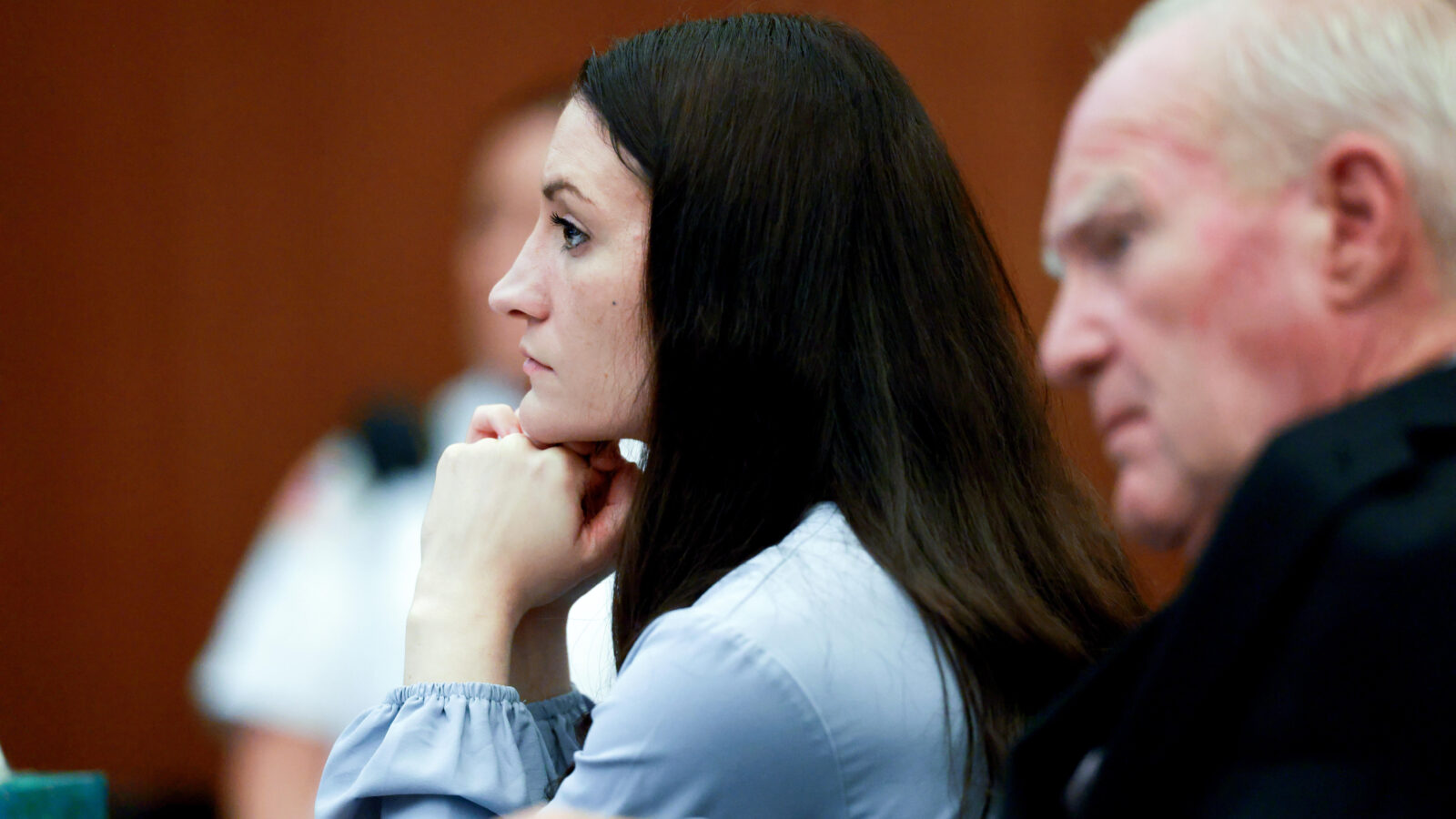
The internet is doing what it always does with a horrific tragedy: turning it into a dumb morality play. But the case of Lindsay Clancy, who murdered her three children, raises questions that defy easy answers. Clancy’s guilt is not disputed. The dispute is over whether she was in her right mind enough to be held responsible—and what that means for how we understand mental illness, psychiatry, and justice.
According to a Daily Wire commentary, the hot takes flooding social media are “pretty much all garbage.” The real story is about mental illness, postpartum psychosis, and a field of medical care—psychiatry—that is “far less competent and knowledgeable than people very often believe.”
The Limits of Psychiatry
Many psychiatrists will tell you, as the piece notes, that the human brain is a mystery. “We don’t know very much about it,” the article says. Unlike a broken leg or a damaged spleen, the brain’s workings remain largely opaque. This is not a comforting thought when a tragedy like Clancy’s unfolds.
Clancy was under psychiatric care before the killings. She was released. Then she committed the act. That sequence alone underscores a troubling reality: psychiatric treatment is often spotty and not comprehensive enough. The care she received did not prevent the tragedy, and no one can say with certainty that different care would have.
Mental illness is real, the commentary insists. But the practice of psychiatry is rudimentary. Psychiatrists have a tremendously difficult job, dealing with people who are legitimately psychotic. And yet, the field’s limitations are exposed in cases like this, leaving families and communities to grapple with the aftermath.
The GoFundMe Controversy
One reason Clancy’s case became a lightning rod was her parents’ decision to launch a GoFundMe. The goal: $2 million, to cover living expenses while Lindsay—now paralyzed—faces trial. About $850,000 has been raised so far, with most accompanying comments coming from moms who sympathize with Lindsay because of her postpartum psychosis.
That fundraising effort has sparked its own outrage, with critics asking why donors would support someone who killed her own children. But as the Daily Wire commentary notes, there is no easy take here. The parents are caring for a daughter who is both a defendant and a patient.
The Garbage Takes
The commentary is scathing about the worst of the online discourse. Some TikTok users, described as “morons and lib women,” are arguing that Clancy shouldn’t be prosecuted at all, and that her husband is somehow the killer. That, the piece says, is the result of a society that has “frontally lobotomized ourselves with the internet,” making us massively dumber.
Then there’s the conservative response: “Lindsay Clancy was not the victim. Her children were.” But the commentary is emphatic: no one is denying the victimhood of the children. “No one, no one, no one,” it writes.
The real question, the piece argues, is whether Clancy was in her right mind enough to be held criminally responsible. That is not a question with a simple yes or no. It is a question about the nature of human agency, the limits of sanity, and the capacity of the law to deal with the profoundly broken.

The Insanity Defense and Its Alternatives
Some people, the commentary notes, say we should get rid of the insanity plea altogether and simply execute psychotic killers. It compares that to the traditional biblical response to human agency—and finds it lacking.
But the choice is not binary. It is not between letting psychotic killers roam free and executing them. There is a third option: involuntary commitment for as long as it takes, to ensure the person is sane. In Clancy’s case, that likely means the rest of her life, because the psychotic break can happen at any time.
“If it were a binary choice between ‘Let psychiatric psychotic killers roam free,’ or ‘kill them,’ I would choose to kill them,” the commentary says, acknowledging the priority of societal interests. “But that is not the choice.”
The Uncomfortable Truth
The Darkest question in the Lindsay Clancy case is not whether she is a monster or a victim. It is whether our systems—psychiatric, legal, and social—are equipped to handle the reality of severe mental illness.
Clancy was under care. She was released. She killed. No one can explain why, not fully. And that is the heart of the matter: “These are difficult problems, and sometimes there is no easy solution.”
As the commentary concludes, “Not all problems are immediately solvable.” The Lindsay Clancy case is one of them. It demands that we sit with discomfort, resist the urge to reduce tragedy to a morality play, and ask hard questions about responsibility, illness, and the limits of human knowledge.
Source: www.dailywire.com — https://www.dailywire.com/news/the-darkest-question-in-the-lindsay-clancy-case