
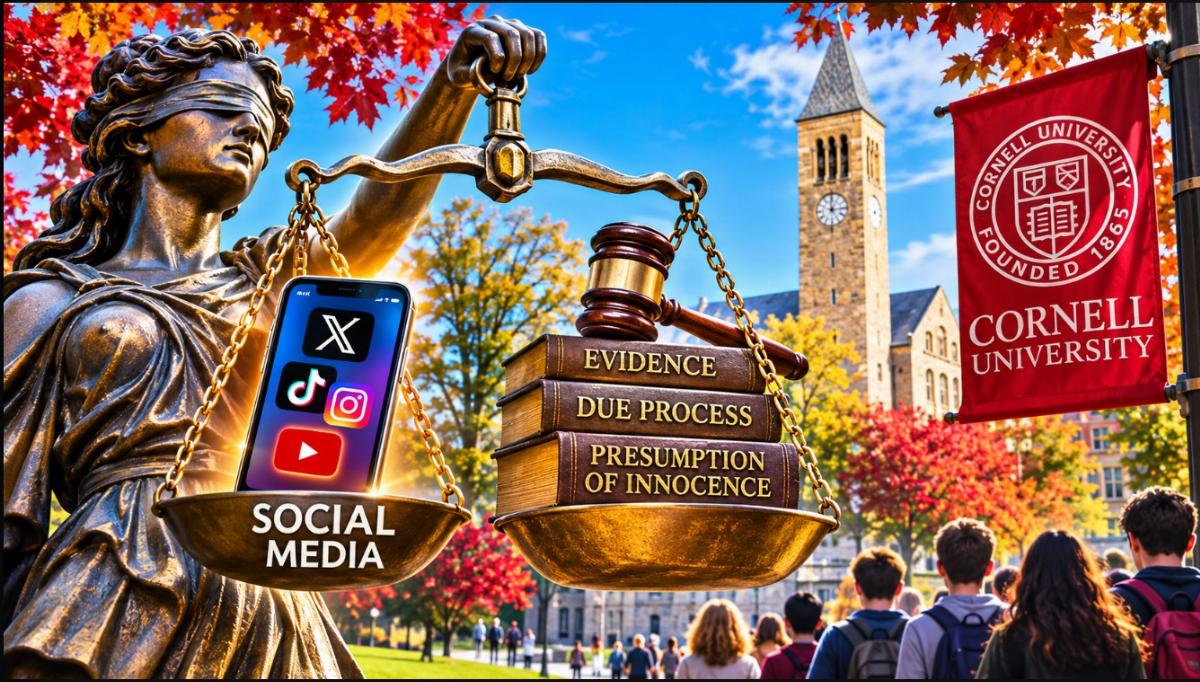
The case of the so-called ‘Cornell Seven’ has become more than just a legal battle—it’s a national referendum on how social media and streaming platforms are reshaping justice before courts ever get a chance to weigh in. What began as disturbing sexual assault allegations against fraternity members has spiraled into a perfect storm of media frenzy, political theater, and online mob justice that threatens to overwhelm fundamental legal principles.
When Allegations Become Entertainment
Before prosecutors had filed formal charges, the case became content. Netflix and Disney+ released competing documentaries that sliced, diced, and packaged the complex allegations into binge-worthy narratives. ABC News dropped its own special. These productions didn’t merely report—they crafted storylines complete with heroes, villains, and foregone conclusions that millions of viewers consumed like courtroom dramas rather than real lives in jeopardy.
The problem isn’t just artistic license—it’s the replacement of evidentiary standards with storytelling conventions. As the author notes, ‘Producers select interviews, emphasize certain evidence, omit other details, and construct a narrative intended to hold an audience’s attention.’ When these curated versions of events embed themselves in public consciousness long before any actual trial, can impartial jurors still be found?
The Political Theater of Justice
New York’s handling of the case reads like a masterclass in how not to preserve due process. After local prosecutors declined to press charges, Governor Kathy Hochul handed the case to Attorney General Letitia James—who had already publicly called the accuser ‘a survivor.’ When defense attorneys objected that this showed prejudgment, the court allowed her to stay on but appointed a special prosecutor—who still ultimately reports to James.
Meanwhile, Cornell administrators banned fraternity parties before any findings of institutional wrongdoing. At Columbia, students who questioned aspects of the prevailing narrative faced threats and censorship campaigns. The message was clear: in high-profile cases, the politics of perception often trump presumption of innocence.
Digital Lynch Mobs and the Permanent Stain
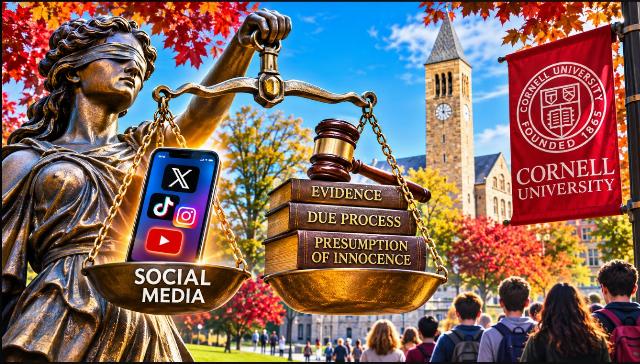
Social media transformed this from a legal process into a 24/7 public tribunal where accusations become verdicts with frightening speed. Online sleuths circulated names—sometimes targeting innocent bystanders—while fragments of unverified evidence were sanctified as gospel by partisan camps. The internet’s iron law held: accusations spread exponentially faster than subsequent corrections or acquittals.
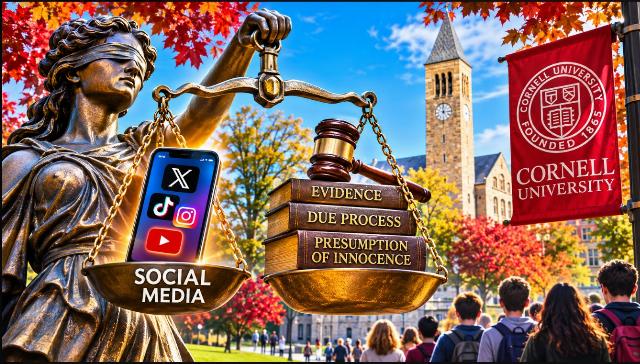
As the piece soberly notes, ‘In court, prosecutors must prove guilt. Online, the accused may be expected to prove innocence to an audience that has already found them guilty.’ And unlike legal verdicts, the internet never truly forgets—exonerations rarely garner the same viral fervor as initial allegations.
Why This Matters Beyond Cornell
The Duke lacrosse case shown us how institutions fold under pressure. The MIT David Sabatini verdict (where a jury awarded $6 million for defamation) revealed how careers can be unjustly destroyed. Now Cornell becomes the latest cautionary tale about justice in the social media age—one where documentary producers and Twitter warriors increasingly dictate outcomes before judges ever gavel in.
The central question remains: will we allow outrage algorithms and political opportunists to redefine ‘innocent until proven guilty,’ or will we demand that legal processes—not trending hashtags—determine culpability? For the Cornell Seven and countless future defendants, the answer may determine whether American justice can survive the digital age.
Source: www.americanthinker.com — https://www.americanthinker.com/articles/2026/11/the-cornell-seven-trial-by-social-media/
Source: www.americanthinker.com
Related coverage
- Nidal Hasan’s Firing Squad and the Case for Televised Executions
- Opinion: America’s Leaders Have Forgotten the Difference Between Foreign and Domestic Wars
- Supreme Court to Rule on AR-15 Bans as Second Amendment Battle Heats Up
- DOJ Nears Statute of Limitations in High-Stakes Dobbs Leak Probe — Will the Culprit Face Justice?