
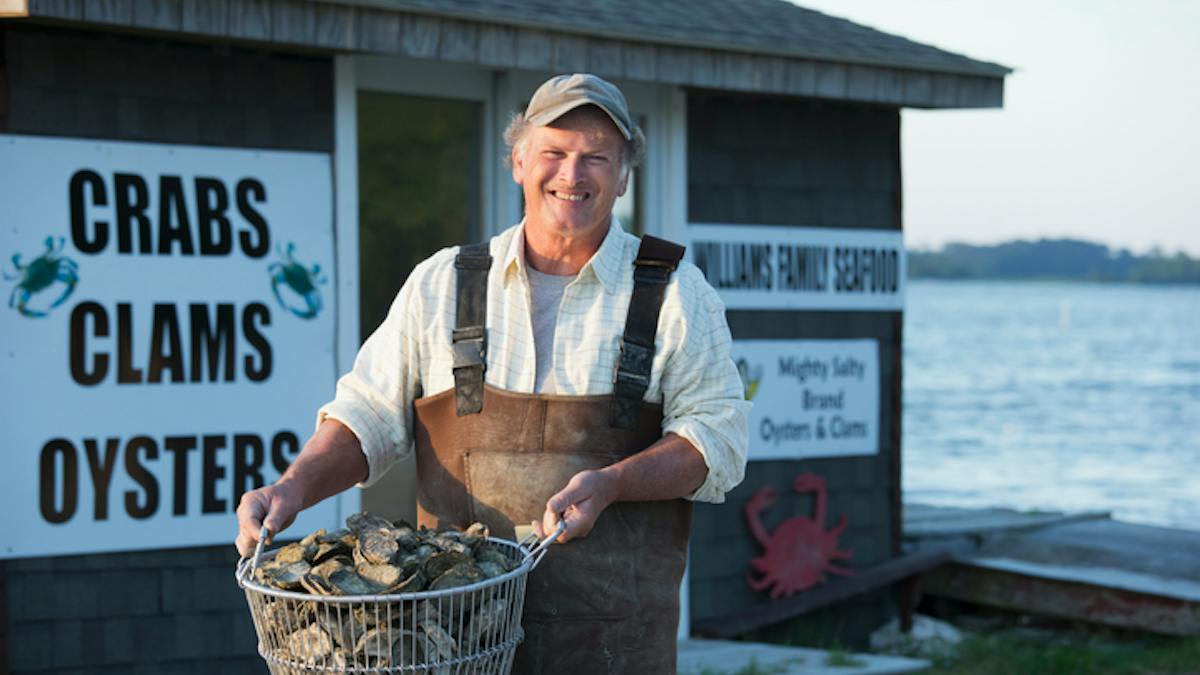
The Trump administration is rolling out an “America First Seafood Strategy” designed to revitalize U.S. fisheries, increase transparency in seafood sourcing, and reduce reliance on foreign imports—many of which face scrutiny over environmental and labor practices.
Currently, more than 80% of seafood consumed in the U.S. is imported, with some linked to questionable farming conditions, including pollution, antibiotic use, and even forced labor. The new strategy aims to shift that balance by promoting American-caught seafood through labeling initiatives, marketing campaigns, and infrastructure investments.
The Problem with Imported Seafood
Critics of foreign aquaculture highlight concerns such as overcrowded fish pens, excessive antibiotic use, and environmental damage from waste runoff. Some imported seafood has also been tied to labor abuses, including a 2016 Pulitzer Prize-winning investigation exposing slavery in Thailand’s shrimp industry.
By contrast, U.S. wild-caught seafood operates under strict conservation laws, including the Magnuson-Stevens Act, which mandates sustainable fishing quotas and ecosystem protections. American fisheries avoid many of the issues plaguing foreign aquaculture, such as artificial feed additives and chemical treatments.

Boosting Domestic Seafood Consumption
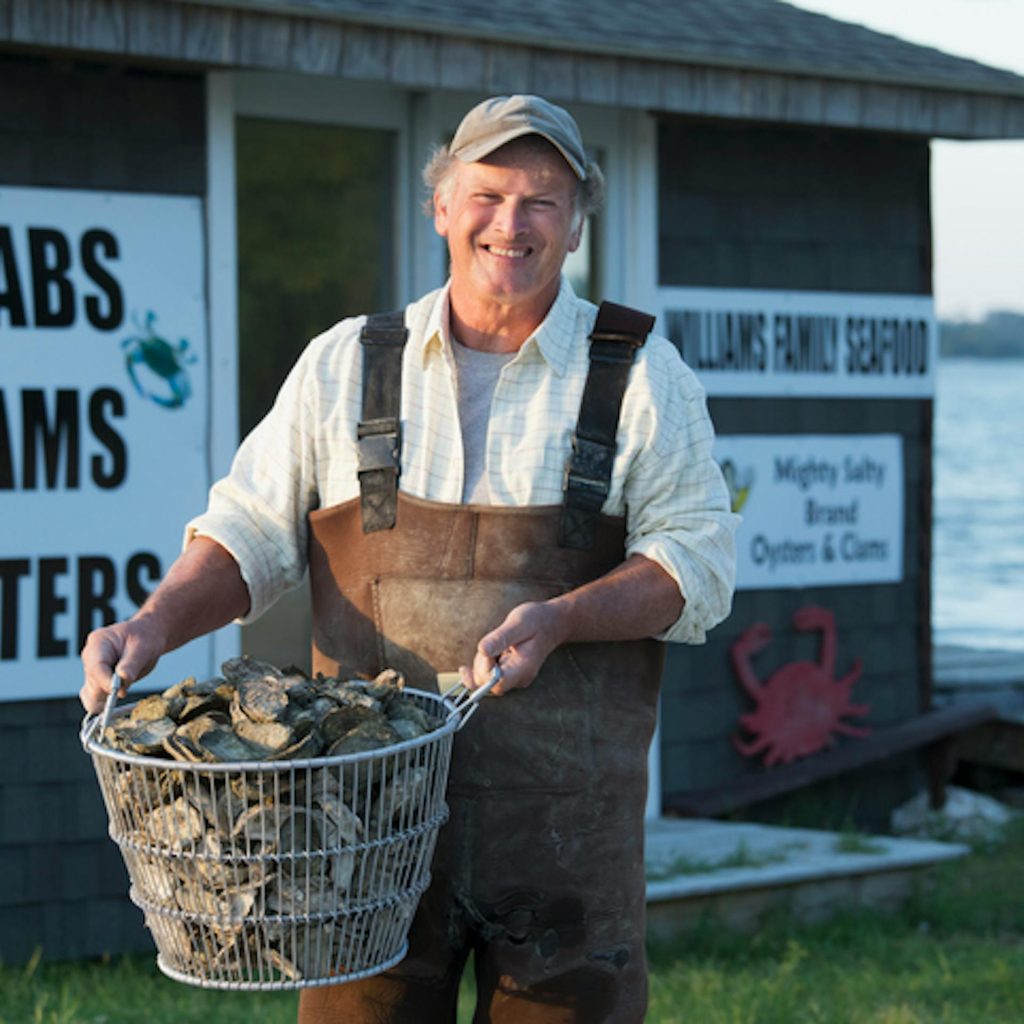
The strategy includes an “Eat American Seafood” campaign and a “U.S. Caught Seafood” designation to help consumers identify and choose domestic products. Advocates argue that buying local seafood supports coastal economies—from fishermen to processors—while ensuring higher food safety and environmental standards.
Part of the plan involves introducing Americans to lesser-known but abundant domestic species, such as redfish, scup (porgy), and whiting, as alternatives to pricier imports like salmon and tuna. Supermarkets like Hannaford, which highlights regional catches, serve as a model for promoting local seafood.

Challenges Ahead
While the strategy has drawn praise from fishing industry groups, it faces hurdles, including competition from cheaper imports and consumer habits favoring familiar fish varieties. Success will depend on whether the administration can effectively market U.S. seafood while addressing supply chain gaps in processing and distribution.
If implemented, the plan could reshape America’s seafood industry—reducing foreign dependence, reviving coastal communities, and putting more domestically caught fish on American dinner plates.
Source: www.dailywire.com — https://www.dailywire.com/news/how-trumps-new-seafood-strategy-will-save-our-coastal-towns-and-your-dinner-plate
Background and context
The latest developments around Trump’s ‘America First Seafood Strategy’ Aims to Boost U.S. Fisheries and Cut Reliance on Imported Fish come amid a broader debate over politics, institutional accountability, and the policy choices that shape everyday life. Understanding the immediate facts is only the first step; the wider impact depends on how officials, institutions, and the public respond in the days and weeks ahead.
FedFront’s coverage focuses on verifiable details, identifiable sources, and the practical consequences of political decisions. Readers should review official statements, primary documents, and court or agency records before drawing final conclusions about any disputed claims.
Why it matters
Stories like this can influence legislation, regulatory enforcement, public trust, and the balance of power between government institutions. Even when the immediate headline fades, the underlying policy, legal, or political questions often continue to shape future decisions.
What to watch next
- Official responses, statements, or policy changes
- Legislative, regulatory, or court action
- Follow-up reporting and independent verification
- Public reaction and broader political fallout
FedFront will continue monitoring this story and update coverage as new information becomes available.
Source: www.dailywire.com
Related coverage
- AfD Data Shows Non-Germans Overrepresented in Bavarian Murder, Manslaughter Suspects
- Daily Wire Slams Robert Pattinson’s ‘Primetime’ as ‘Evil Propaganda’ Against Chris Hansen
- DHS Says ‘Absolutely ZERO Chance’ Migrant Caravan Reaches U.S. as 500–600 Head North Through Mexico
- AOC Claims Trump Administration ‘Attacking Women’s Ability to Get an Education’ While Stumping for El-Sayed in Michigan