
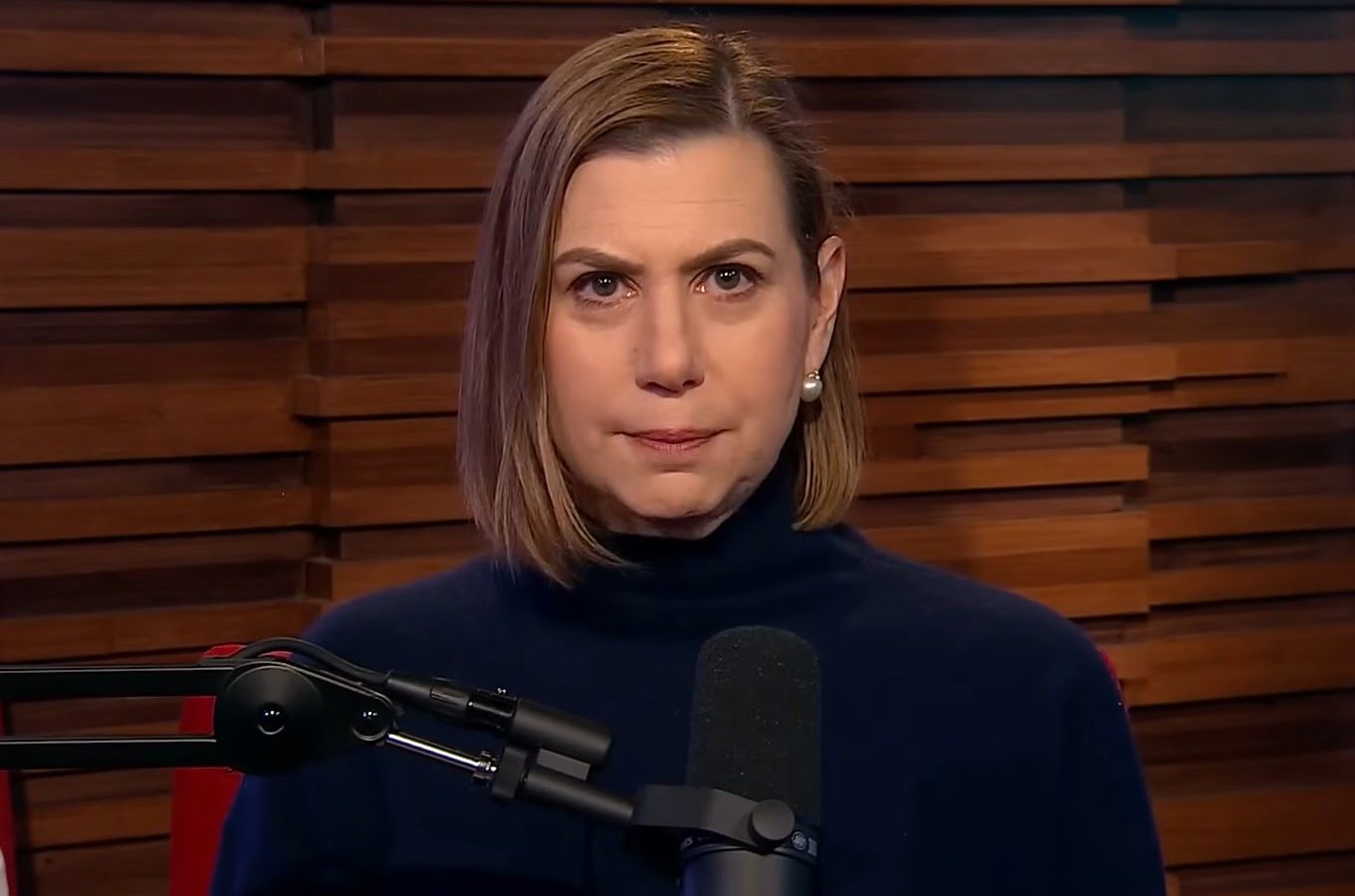
Sen. Elissa Slotkin, D-Mich., has called for structural changes to insulate federal agencies from presidential oversight, arguing that steps must be taken to prevent any repeat of the current administration’s approach to the bureaucracy.
Speaking recently, Slotkin described the need for experts to develop ways to limit how much influence elected leaders have over agencies, particularly intelligence and regulatory bodies. She emphasized that this work should focus on making the government resistant to shifts that occur after elections.
Slotkin’s Comments on Rebuilding Government
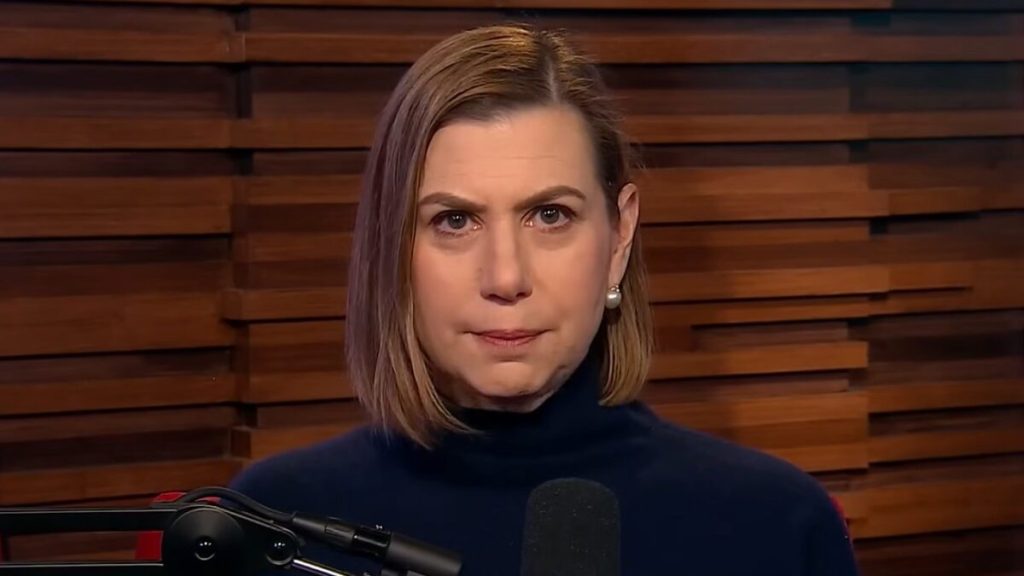
Slotkin, a former CIA employee, stated that attention should turn to “how to Trump-proof the government going forward so that no leader can do this again.” She added that Democrats and other officials must consider what the federal government should look like after the current term, suggesting the next generation of leaders will play a key role in that redesign.
These remarks come as Democrats prepare for potential future majorities in Congress and the White House. Critics say the proposal amounts to an effort to lock in policy preferences regardless of voter decisions.

Background on Bureaucratic Resistance
The source material outlines multiple instances during the first Trump term when career officials pushed back against administration priorities. Examples include staff at the Department of Education creating work that avoided policy goals, prosecutors at the Justice Department declining cases that did not align with their views, and State Department employees signing a dissent cable against a travel-related executive order.
Additional reports from groups like the America First Policy Institute described efforts such as adjusting hiring timelines to avoid a planned freeze and internal guidance on slowing responses to directives. Slotkin’s comments are presented in this context as an explicit call to formalize such independence.
Historical Context on Administrative State
The piece traces the idea of an expert-led bureaucracy to early 20th-century progressives, including Woodrow Wilson, who argued that administrative matters should remain separate from political control. Court rulings over time have reinforced agency expertise in certain disputes, sometimes overriding arguments based on electoral mandates.
Supporters of stronger executive authority contend that this setup reduces the impact of elections, while defenders of agency independence say it protects against abrupt policy swings.
Reactions and Broader Implications
Republican voices have framed Slotkin’s statements as evidence that some Democrats seek to weaken the elected branch of government. Incoming House Oversight Chairman Robert Garcia has also signaled aggressive use of committee powers, prompting warnings from White House Counsel Will Scharf that investigations must stay within legislative bounds rather than mimic prosecutorial functions.
The discussion highlights ongoing tensions between elected officials and permanent staff across administrations. Slotkin’s position reflects one side of the debate over how much insulation agencies should have from direct presidential direction.
Observers note that similar conversations about institutional design are likely to continue as parties alternate in power. The comments have drawn attention because they come from a former intelligence official now serving in the Senate.
Source: thefederalist.com — https://thefederalist.com/2026/11/17/ex-cia-spook-elissa-slotkin-we-need-to-trump-proof-the-deep-state-so-presidents-can-no-longer-control-it/
Background and context
The latest developments around Slotkin Urges Democrats to ‘Trump-Proof’ Federal Bureaucracy and Strip Executive Control come amid a broader debate over politics, institutional accountability, and the policy choices that shape everyday life. Understanding the immediate facts is only the first step; the wider impact depends on how officials, institutions, and the public respond in the days and weeks ahead.
FedFront’s coverage focuses on verifiable details, identifiable sources, and the practical consequences of political decisions. Readers should review official statements, primary documents, and court or agency records before drawing final conclusions about any disputed claims.
Why it matters
Stories like this can influence legislation, regulatory enforcement, public trust, and the balance of power between government institutions. Even when the immediate headline fades, the underlying policy, legal, or political questions often continue to shape future decisions.
What to watch next
- Official responses, statements, or policy changes
- Legislative, regulatory, or court action
- Follow-up reporting and independent verification
- Public reaction and broader political fallout
FedFront will continue monitoring this story and update coverage as new information becomes available.
Source: thefederalist.com
Related coverage
- Illegal Immigrant Charged With Raping 77-Year-Old Florida Woman, Sheriff Says
- El-Sayed Doubles Down: Trump an ‘Unserious Fool’ Whose Policies Are Hurting Americans
- Musk Backs Anthropic CEO’s Call to ‘Pace the Frontier’ as Trump and Vance Push Back on AI Slowdown
- Norway Says Zelensky’s Jet Was Nearly Hit by a Drone; Kyiv Calls It ‘Exaggerated’