
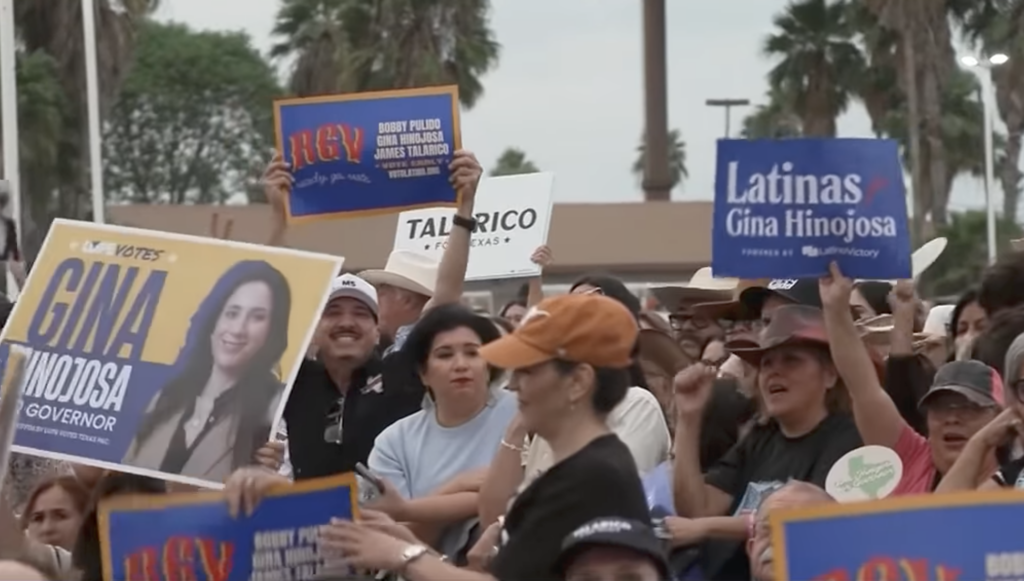
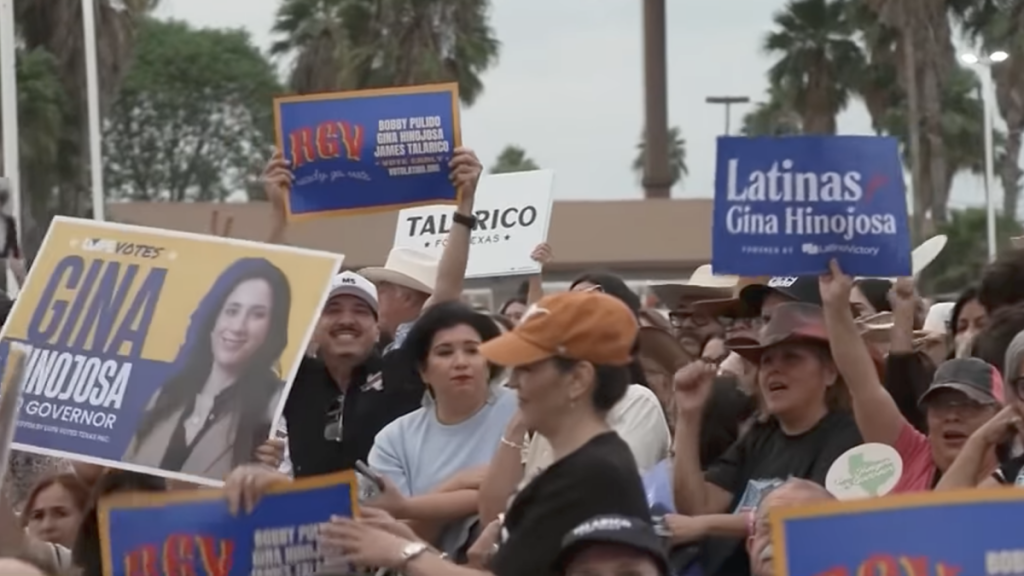
A significant transformation in the voting patterns of Hispanic Texans has marked the latest election cycle, with Democrats reclaiming ground lost over the last decade. This shift is not merely coincidental; it stems from a profound miscalculation by Republicans and a strategic data-driven campaign executed by Democrats.
Campaign managers are a staple for any serious political candidate, especially those vying for larger districts. However, not everyone realizes the emergence of a ‘Moneyball’ moment within the Democratic Party, initiated in the early 2000s. This movement has seen traditional campaign consultants increasingly sidelined by data scientists who believe they can reshape elections and win back disaffected voters.
Data-Driven Strategy
The term ‘Moneyball’ draws from a pivotal moment in baseball, as portrayed in the 2011 film featuring Brad Pitt, where a financially strapped team leveraged data analysis to significantly improve their performance. This methodology found its parallel in Democratic campaigns, with a distinct and impactful moment occurring in 2007 when a group funded by the AFL-CIO formed the Analyst Institute. They asserted superiority over the traditional methods employed by veteran Democratic consultants, leveraging measurable data to gain an electoral advantage against Republicans.
The latest example of this new age strategy was evident in James Talarico’s campaign, which received unprecedented funding and support from innovative data analytics. David Shor, founder of Blue Rose Research and a key figure in the Democratic data movement, has played an essential role in reshaping strategies that ultimately returned the Hispanic vote to the Democrats.

Targeted Campaigning
Reviewing the 2026 Federal Election Commission reports reveals that Talarico’s campaign employed various modern data-fueled strategies. Groups such as Impact Research, Aisle 518 Strategies, and Bryson Gillette collaborated with Shor’s Blue Rose Research, which collectively received over $15 million from contributors nationwide. Shor’s insights and strategies were likely pivotal in energizing the Democratic base, particularly Hispanic working-class voters who had shifted toward Republican candidates in previous elections.
The Democrats understood that re-engaging these voters required more than just conventional campaigning methods. Hidden from broader audiences, targeted ads tailored to specific segments of voters proved more effective. Shor’s approach facilitated bold messaging directed at particular demographics that had once aligned with Democratic ideals but were swayed by the Trump era.

Republican Missteps
As the campaign unfolded, it became clear that Republican candidates, particularly Ken Paxton, were ill-equipped to counter this sophisticated effort. Relying heavily on appeals to their traditional base, they failed to adapt to the changing dynamics among Hispanic voters, where Trump had previously gained significant traction. Paxton’s struggles during the campaign were evident as his messaging and financial backing waned in the face of the targeted Democratic assault.
Despite Gov. Greg Abbott’s substantial fundraising advantage, polling indicated trouble for both Abbott and the Republican Party in Texas. The Abbott campaign, led by strategist David Carney, was seemingly outperformed by Talarico’s innovative methods amidst an evolving electoral landscape. Carney, previously known for his successes in Texas statewide races, did not manage to replicate his past achievements against a more analytically driven campaign.
What Went Wrong for Republicans?
The Abbott team appears to have made two significant errors that contributed to their distress. Firstly, they failed to recognize the shifting loyalties of Hispanic voters, who had begun to see the Democratic message resonate again after a decade of converging toward Republican ideologies. With the previous successful outreach efforts aimed at religious Hispanic voters forgotten, Abbott’s coalition wavered without a plan to retain their support.
Moreover, the campaigns that had initially elevated Abbott’s standing in 2014 were absent in the latest election, replaced by a new and potentially less effective strategizing team. This led to a missed opportunity to fortify connections with rural Hispanic voters, leaving them susceptible to Democratic persuasion.
As the dust settles on the latest elections, the Democrats’ ability to adapt and innovate with data-driven tactics has turned the tide in Texas. The challenge remains for Republicans to reassess their strategies and address the evolving sentiments within their constituencies. Failure to do so may further entrench the Democratic foothold in the state.
Source: thefederalist.com — https://thefederalist.com/2026/11/18/how-democrats-moneyball-tactics-flipped-the-hispanic-vote-in-texas/
Source: thefederalist.com
Related coverage
- AOC Hosts Civics Lesson on Speaker’s Role as Report Shows Widespread Gaps in Political Knowledge
- Hegseth Orders Every U.S. Military Base to Generate Its Own Power, Launching ‘FORTRESS America’
- Biden Scales Back Book Tour Amid Ongoing Cancer Recovery
- University of Chicago Professor Eman Abdelhadi Embraces Radicalism, Faces Felony Charges