
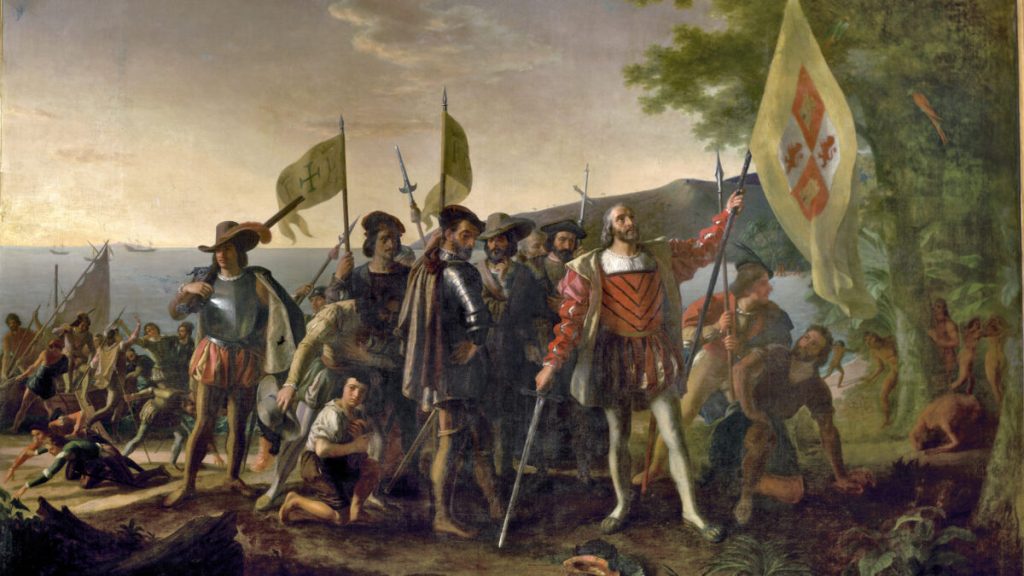
As the Thanksgiving holiday nears, a controversial narrative linking the Pilgrims to modern immigration debates is gaining traction, particularly among proponents of lax immigration policies. This claim has gained visibility through various outlets, including The Washington Informer, which asserts that these early settlers were illegal immigrants encroaching on Wampanoag land.
However, there are significant issues with the idea that the Pilgrims’ arrival constituted illegal immigration. Critics argue that the very concept of legal versus illegal immigration is foreign to Indigenous cultures, including the Wampanoag, who did not have the modern-day notion of borders or land ownership.
Supporting this perspective, one article claims that the 17th-century arrivals were welcomed into an underpopulated part of what is now the United States, fostering a narrative that contradicts the idea of illegality put forth by some contemporary commentators.
Historical Context and Immigration Policies
In recent discussions, a Washington Post feature highlighted a tour guide at the Statue of Liberty who passionately argued in favor of immigration, suggesting that the past was more accommodating for newcomers. This sentiment isn’t isolated; it has been echoed in The New York Times and The New Republic. However, historical immigration policies tell a different story.

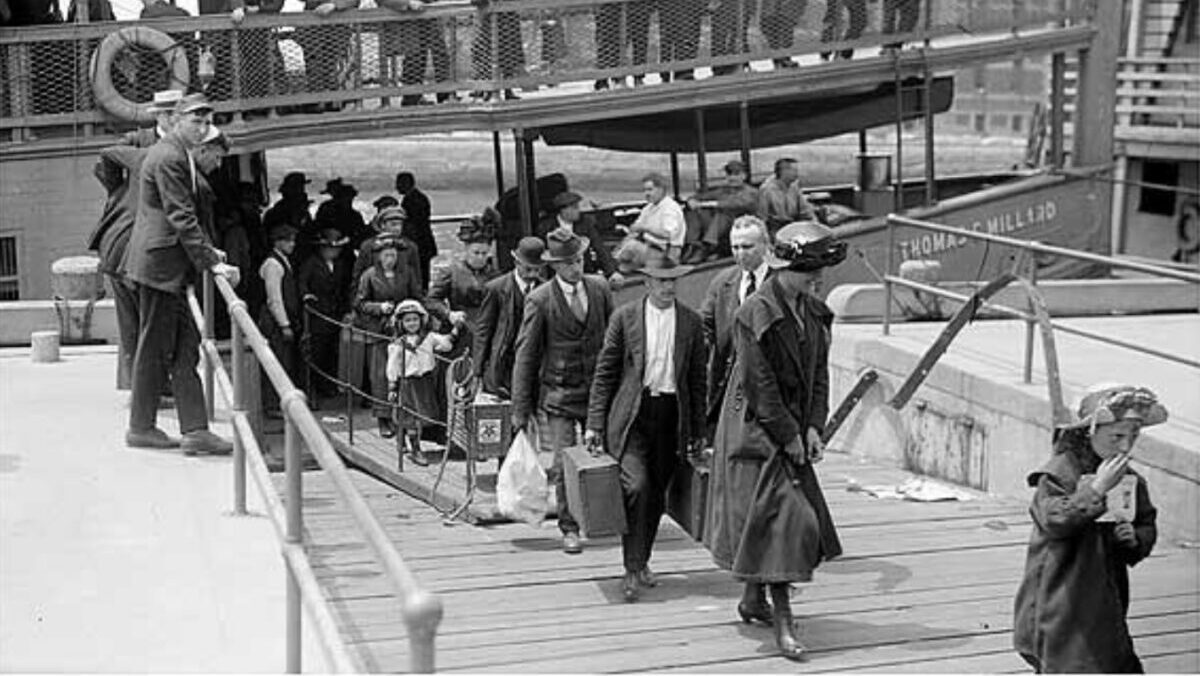
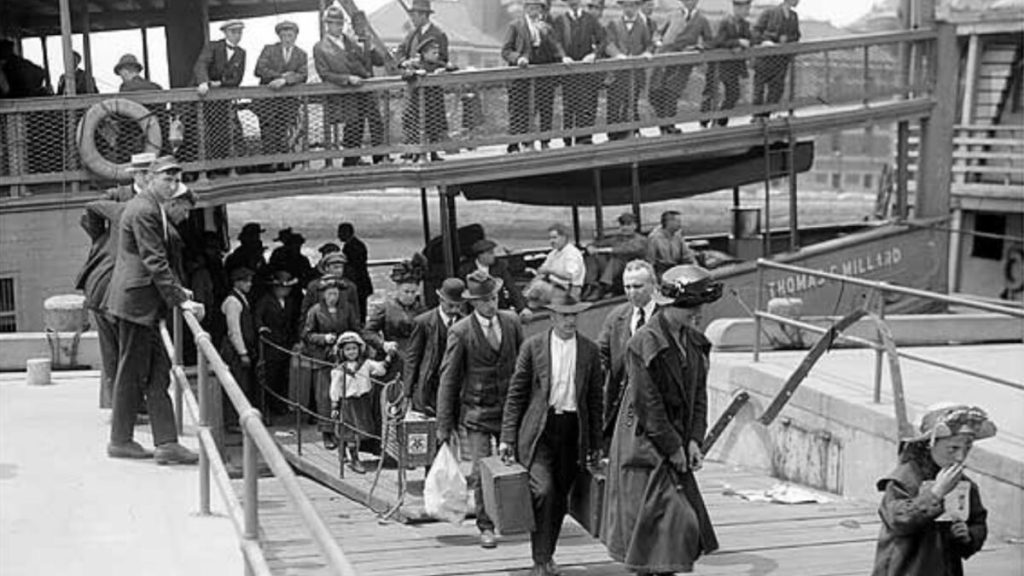
Between 1880 and 1924, the United States did experience a significant influx of immigrants, particularly at Ellis Island. Yet, immigration was never completely unregulated. The Page Act of 1875 and subsequent legislation imposed restrictions on those deemed undesirable, demonstrating an ongoing effort to manage who could enter the nation.
Dismissing these regulatory frameworks ignores the complexity of American immigration history and oversimplifies the narrative of acceptance and inclusivity.
The Reality of Immigrant Life
Additionally, contrary to assertions that past immigrants were not expected to assimilate, many European immigrants were indeed encouraged to learn English and adopt American customs. This cultural integration contributed to the shaping of American society and community dynamics.
On the current immigration front, discussions around the deportation of illegal immigrants remain contentious. Reports indicate that thousands have been sent to countries unfamiliar to them, stoking debates about the ethics and legality of such actions. Critics label these deportations as inhumane.
However, supporters of the existing immigration laws argue that the high influx of unauthorized immigrants strains public services and affects the labor market. They contend that a reduction in illegal immigration can actually enhance the position of American workers, providing them with better economic opportunities.
The Broader Debate on Immigration
As the debate intensifies around immigration policies with a newly Democrat-controlled Congress potentially leaning towards more lenient measures, the historical framing of early settlers like the Pilgrims becomes increasingly relevant. It raises questions about how history is understood and utilized in contemporary political rhetoric.
Ultimately, as Thanksgiving serves as a backdrop for these discussions, it reflects the complicated relationship between immigration narratives and American identity, as well as the values and principles that underpin them.
Source: thefederalist.com — https://thefederalist.com/2026/11/25/no-the-pilgrims-were-not-illegal-immigrants-and-other-ahistorical-fantasies/
Source: thefederalist.com
Related coverage
- Jolly, DSA’s Nixon Lead Florida Ticket as GOP Warns of ‘Trojan Horse’
- Trump Admin to Deploy 1,000 Poll Monitors for Midterms, Dhillon Says
- Hot Mic Catches Female Reporters Calling Ben Simmons ‘Cringe’ — and ‘So Fine’ in the Same Breath
- Senate Overwhelmingly Advances Trump-Backed Energy and Jobs Bill in 73-25 Vote