

In an unexpected twist in the immigration reform debate, advocates for what they call worker legalization are urging Americans, including Vice President JD Vance, to stop using the word “amnesty.” The term has become a point of contention, with supporters arguing it shuts down critical discussions about immigration reform.
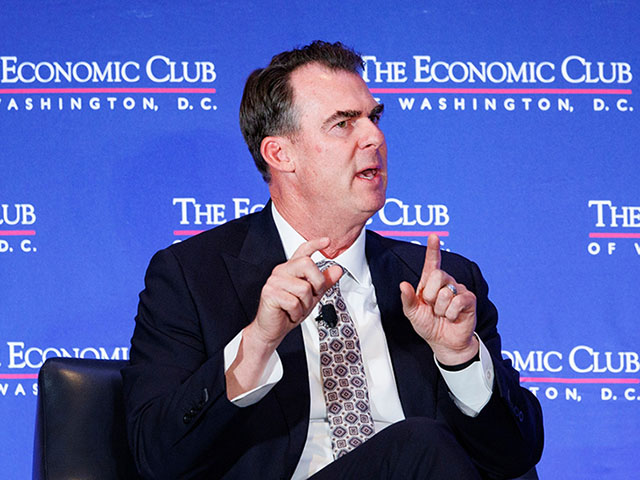
Oklahoma Governor Kevin Stitt, a vocal proponent of expanding legal pathways for migrant workers, lamented that the term has become a “weapon of choice” for halting necessary conversations. Stitt, who chairs the National Governors Association, aims to allow states to import or legalize migrant workers to boost local economies.
Stitt’s remarks were particularly directed at Vice President Vance, who criticized Stitt’s affordable labor plan in mid-November, calling it a politically and morally flawed effort that could be seen as giving amnesty to those who have broken the law.
Political Alliances and Rhetoric
Stitt, alongside allies like Florida Representative Maria Salazar, who is also advocating for increased migrant labor through amnesty legislation, argue that the term “amnesty” is a roadblock to meaningful immigration reform discussions. Salazar asserted that the label harms discussions on reforming the immigration system, indicating that the narrative surrounding amnesty should focus on its economic implications rather than the action itself.
From the perspective of business groups, the negative connotation of the term “amnesty” has posed a significant hurdle over the years. It evokes strong reactions from many who associate the term with granting legal status to those perceived as sidestepping immigration laws. Advocates are now pushing a range of alternative phrases, including “regularization of newcomers” and “earned path to citizenship,” in an effort to reshape public discourse.
Economic Implications and Local Policies
Stitt justified a specific amnesty case for a legal migrant facing deportation, arguing that this individual is valuable to his employer and contributes positively to the Oklahoma economy. He framed his approach as a necessary response to connect employer needs with legal pathways for workers.

However, critics express concern that the proposals may lead to a race to the bottom, where states undercut each other to attract businesses by providing cheaper labor, which could ultimately harm millions of American workers. There are fears that Stitt’s plans would dismantle barriers that protect wages and working conditions across the nation.
Growing Public Concerns
As public sentiment shifts toward being more skeptical of expansive immigration policies, some lawmakers, including Vance, have highlighted the economic downsides of illegal migration, such as downward pressure on wages and rising rents. This awareness among constituents is changing the tone of the immigration debate, which factors in not just economic growth but also national security and community impacts.
As discussions continue, the phrase “amnesty” remains polarizing. Advocates for reform insist on a more respectful dialogue around immigration issues, promoting the idea that progress is best achieved without resorting to name-calling and divisive terms. The stakes are high as the country approaches upcoming electoral contests, making immigration policy a pivotal challenge for politicians on both sides of the aisle.
Source: www.breitbart.com — https://www.breitbart.com/economy/2026/11/27/amnesty-advocates-tell-americans-stop-saying-amnesty/
Source: www.breitbart.com
Related coverage
- “We’re Going to Crash!” — Audio Reveals Pilot’s Final Moments Before Learjet Plunges Into Florida Fireball
- El-Sayed Says He’s ‘Not Much of an Animal Guy’ After 4,680 Dogs and Cats Euthanized Under His Watch
- Gateway Pundit Subscribers Report Ads After Website Upgrade; Site Issues Fix
- Florida Mail Carrier Arrested After 100 Pets Found Trapped in Sweltering Home