
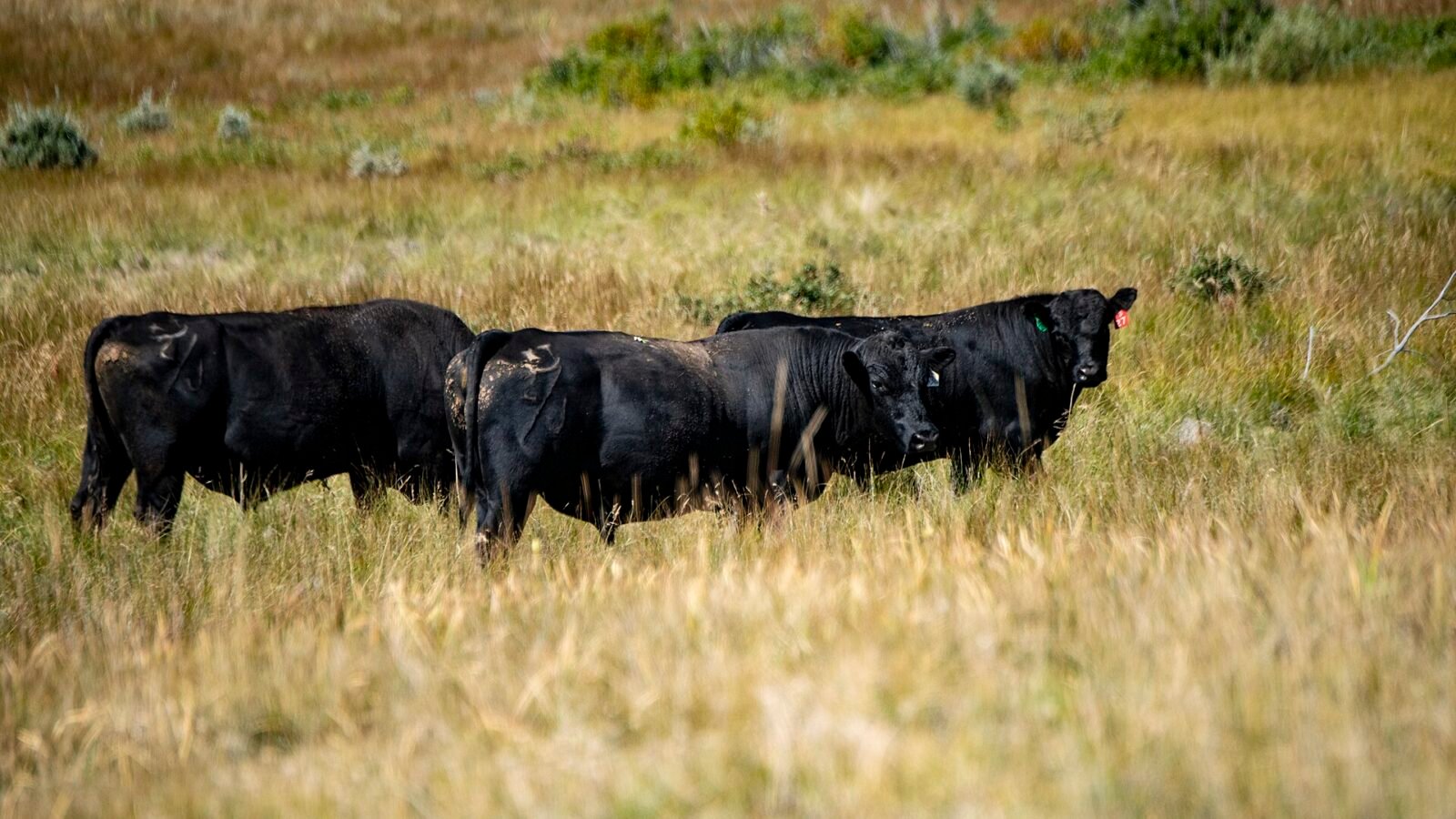
President Trump’s recent decision to allow up to 300,000 metric tons of ground beef imports without out-of-quota tariffs for 90 days was pitched as a way to ease prices for American families. But a growing chorus of rural-state lawmakers and industry analysts warn the move could backfire, deepening a long-term cattle shortage and pushing prices higher down the road.
Trump announced Friday that the imported product would be sold at 25 percent below current market prices. While the White House touted the policy as immediate relief for consumers, critics say it ignores the cyclical realities of the beef industry and could trigger a cascade of unintended consequences for domestic producers.
The Cyclical Nature of Beef
Beef is notoriously cyclical, with price swings repeating every five to ten years. The lag between conception and market is long—nine months to create a calf, then another year or two to bring it to slaughter. That makes it nearly impossible for producers to quickly adjust supply to demand, leading to the boom-and-bust patterns that have defined the industry for generations.
Right now, the market sits at the peak of the cycle. Prices are high, which would normally encourage farmers to sell off stock. But the only way to bring prices down sustainably, experts say, is to increase supply—and that requires farmers to hold back heifers for breeding, a practice known as heifer retention.
The problem, as The Federalist notes in a recent analysis, is that the incentive structure is currently inverted. High prices push farmers to sell. Meanwhile, the cost side of the ledger is bloated.
The Three F’s: Feed, Fertilizer, and Fuel
Cattle production costs are driven by what insiders call the three F’s: feed, fertilizer, and fuel. All three are currently elevated. Drought has spiked the price of hay and corn, making both raising and finishing cattle more expensive. Fertilizer costs have stayed high for years, partly due to the war in Ukraine. And fuel prices have been volatile, with the Federalist pointing to instability in Iran as a contributing factor.

When production costs surge, it often makes more financial sense to sell a heifer now than to retain it for breeding. At a cyclical price peak, that calculus becomes even more one-sided: farmers sell off stock to cash in on high prices, which shrinks the breeding herd and tightens future supply.
That’s the trap, according to the Federalist’s analysis. Importing foreign beef during this window may provide temporary relief, but it also signals to domestic producers that prices will soon dip—prompting them to sell even more stock before the drop lands.
Import Risks: Reduced Processing Capacity
The ripple effects don’t stop at the farm gate. As domestic herds shrink, processing plants face dwindling supply. They can’t justify running full capacity when there aren’t enough cattle to process five or six days a week, let alone seven. The Federalist warns that a sudden surge in imports, paired with low domestic supply, could force permanent reductions in processing capacity.

That scenario is already unfolding. Tyson Foods recently announced the closure of a massive facility in Utah, citing a lack of supply to process. The company is also shuttering a plant in Illinois and selling off another in Washington. JBS, another major processor, shut down facilities in Pennsylvania and Tennessee earlier this year. The industry’s biggest players are radically cutting capacity because the long-term cattle supply is too thin to support it.
The Federalist draws a stark parallel to the American timber industry, which was devastated by Canadian lumber imports subsidized below market rates. Domestic prices were artificially depressed, processing capacity cratered, and within years the U.S. lost most of its lumber production—despite having ample raw timber. The lesson, the outlet argues, is that short-sighted trade policy can inflict long-term structural damage.
A Better Path: Heifer Retention Incentives
Instead of relying on tariff-free imports as a Band-Aid ahead of the midterms, the Federalist argues that the Trump administration should focus on policies that encourage heifer retention. By incentivizing farmers to keep heifers for breeding rather than selling them into the current high-price market, the government could help rebuild the domestic herd and secure a steadier, more affordable beef supply in the years ahead.
Such incentives could take many forms—tax breaks, direct payments, or low-interest loans—but the goal would be to tilt the cost-benefit analysis back toward future production. Without that, the analysis warns, the current cycle will only repeat: imports provide a brief price dip, domestic producers sell off even more stock, processing capacity shrinks further, and long-term prices climb higher.
The Federalist’s piece concludes that the import plan, however well-intentioned, will likely exacerbate the very problem it aims to solve. “Instead of looking for short-term Band-Aids to mask the beef price problem heading into the midterms,” the outlet writes, “the administration should instead focus on ways to incentivize heifer retention in order to increase long-term cattle supply.”
For now, the 90-day window is open, and imported ground beef is set to hit shelves at a discount. But the debate over whether that’s a genuine relief or a costly detour is only just beginning.
Source: thefederalist.com — https://thefederalist.com/2026/08/22/if-trump-wants-to-reduce-beef-prices-he-should-help-struggling-farmers-grow-their-herds/