
What if political fights weren’t about winning control of society, but about building entirely different ones? That’s the radical possibility explored in a recent piece arguing that artificial intelligence could eventually make it possible for people to create entirely new civilizations, each operating under distinct rules, economic systems, and cultural norms—without forcing anyone to conform.
The End of Zero-Sum Politics?
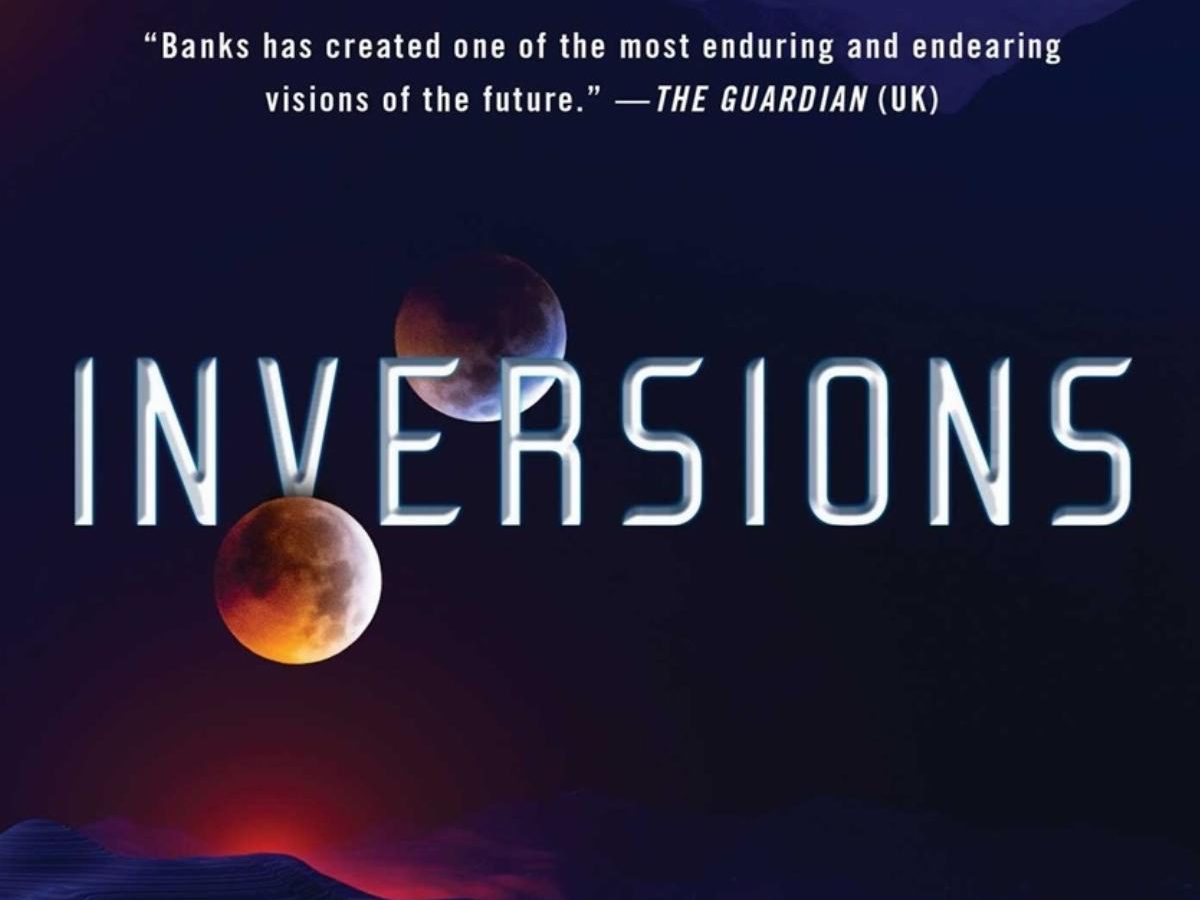
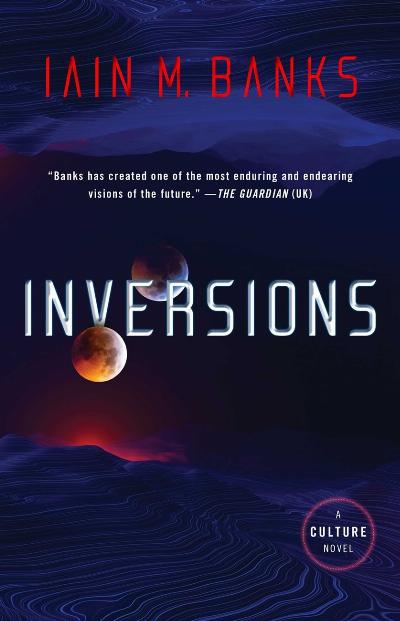
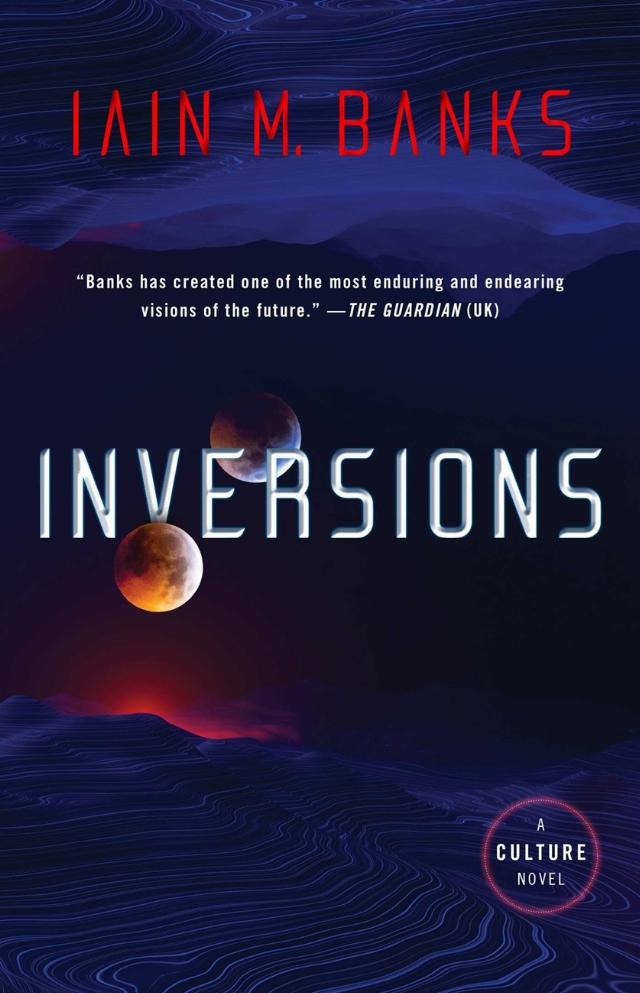
The piece, published in American Thinker, draws inspiration from Iain M. Banks’ Culture novels, which depict a post-scarcity civilization where AI-managed abundance allows for wildly divergent ways of life. Instead of battling for dominance within a single system, groups could simply design and inhabit their own. Imagine, the argument goes, a world where traditionalists, libertarians, socialists, and experimentalists don’t have to fight over federal policy—they can each build their own self-contained societies, governed as they see fit.
From Political Compromise to Parallel Experiments
Today, creating an alternative to mainstream institutions—whether in education, economics, or governance—requires massive resources and coordination. But if AI could drastically lower those barriers, individuals might choose their preferred social ‘container’ the way software developers spin up isolated environments for testing code. The result wouldn’t be utopian harmony, but a landscape of continuous experimentation where failed models collapse and successful ones adapt—all without imposing a single vision on everyone.
The Conservative Case for Radical Decentralization
Notably, the piece comes from a self-described conservative entrepreneur, suggesting this vision of radical pluralism isn’t just a progressive fantasy. If AI can automate the bureaucratic heavy lifting of running societies, the real political divide might not be left versus right, but centralization versus optionality. ‘Freedom,’ the author contends, could come to mean ‘the resources to opt out’ rather than ‘a vote in how others must live.’
Not Sci-Fi—Yet
Of course, physical constraints (land, energy, infrastructure) still exist, and the idea remains speculative. But as AI reshapes how we organize labor, finance, and even governance, the underlying question lingers: Could the next wave of human freedom be about escaping political battles altogether—not by winning them, but by making them irrelevant?
Source: www.americanthinker.com — https://www.americanthinker.com/articles/2026/11/what-happens-when-ai-makes-it-possible-to-build-a-new-civilization/