
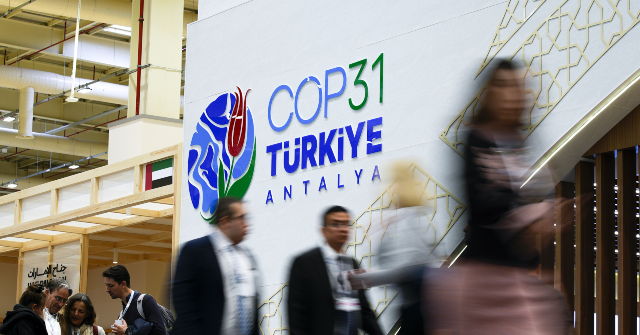
Nearly 100,000 activists, lobbyists, and political leaders have converged in Antalya, Turkey, for the start of the United Nations COP31 climate summit, setting the stage for intense negotiations and policy battles over the next two weeks. The conference, officially running from November 10–20, marks an unprecedented arrangement as Turkey shares hosting duties with Australia following a compromise deal reached last year.
Unusual Leadership Split Sparks Tensions
While Turkey holds the ceremonial COP presidency under U.N. rules, Australia has taken on most administrative responsibilities—an awkward power-sharing solution brokered after both nations refused to relinquish hosting rights. Pacific Island nations, including Papua New Guinea, openly expressed disappointment at being sidelined despite being among the most threatened by climate change.
Turkish Environment Minister Murat Kurum has framed COP31 as an “implementation” summit focused on turning climate pledges into action—a familiar refrain also used at COP30 in Brazil and COP29 in Azerbaijan. But critics argue the Turkey-Australia leadership split may actually hinder progress, pushing major decisions to future meetings.
Turkey’s Controversial ’35 by 35′ Energy Plan
The host nation is pushing its “35 by 35” clean energy proposal, aiming to boost global clean power demand to 35% by 2035 through electrification of transport and industry. However, energy analysts warn the plan could backfire, potentially increasing reliance on coal and gas plants to meet soaring electricity needs—especially with AI data centers dramatically expanding power consumption worldwide.
Australia, meanwhile, faces criticism for approving new fossil fuel projects even as it co-hosts the climate summit. Climate activists fear the energy crunch might derail emissions targets, with one outlet noting that harsh winters and rising fuel prices make hydrocarbon supplies politically appealing.
Permit Gridlock and Nuclear Energy Debates
The conference also confronts growing frustrations over bureaucratic hurdles that have stalled both fossil fuel and renewable energy projects across Western nations. Some participants now suggest fast-tracking approvals for clean energy initiatives while reconsidering long-standing opposition to nuclear power—a potential game-changer in climate policy debates.
With thousands of delegates negotiating under the shadow of competing energy crises, the Antalya summit may prove more contentious than productive. As one analysis put it: “Unchecked climate change will make all our crises worse, but the solutions require politically tough choices nobody wants to make.”
Source: www.breitbart.com — https://www.breitbart.com/national-security/2026/11/10/nearly-100000-activists-lobbyists-and-politicians-descend-on-turkey-for-u-n-climate-alarmism-conference-cop31/