
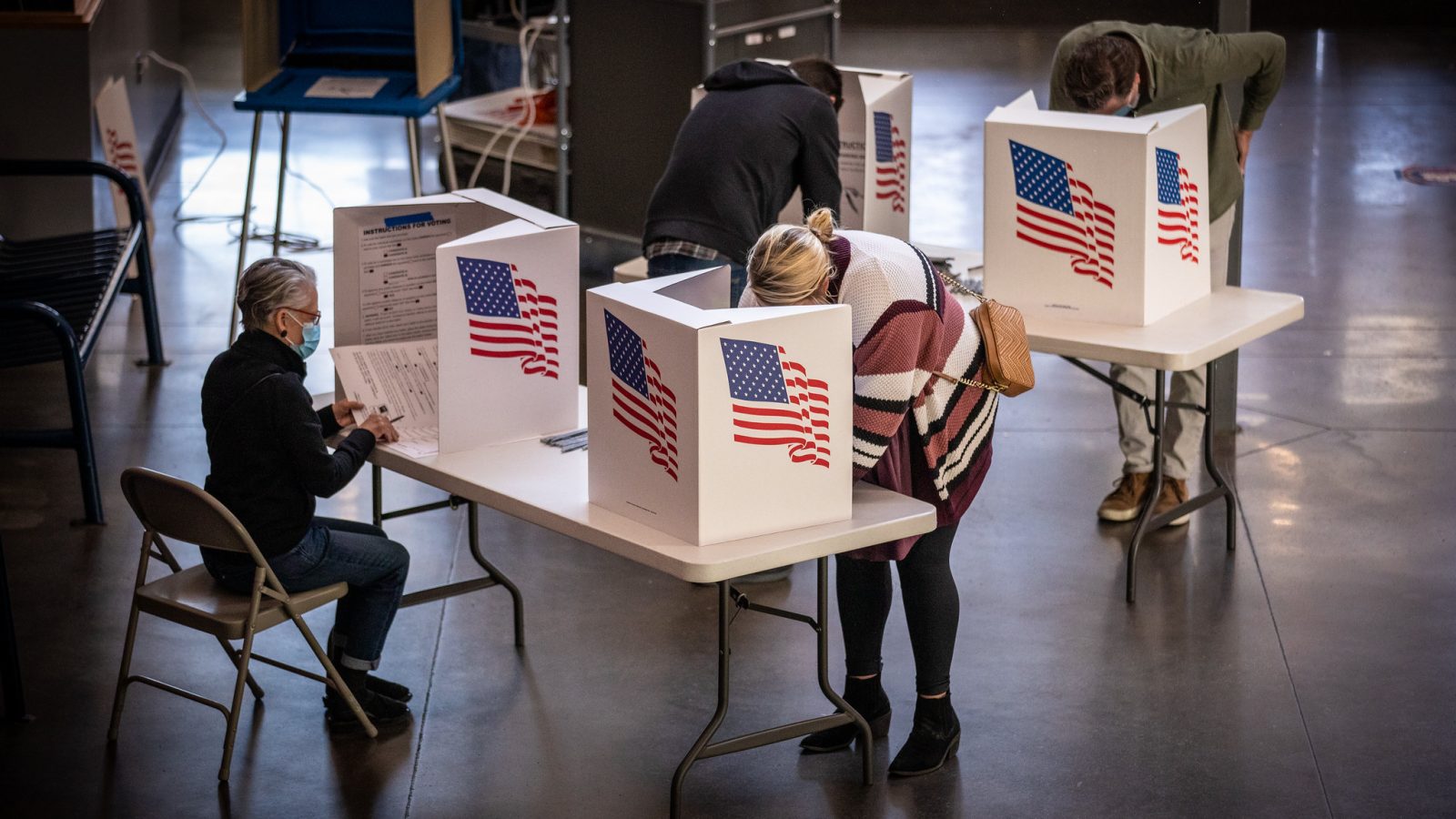
While Republicans celebrated their midterm gains, Democratic operatives quietly chalked up their own victories to something far more consequential than individual candidates: a two-decade data science revolution that’s fundamentally changed how campaigns identify and persuade voters.
The Democrat’s Secret Weapon
At the heart of this transformation is the Analyst Institute, a research hub born from Yale experiments in social pressure after John Kerry’s 2004 defeat. Where traditional campaigns rely on polling and gut instincts, Democrats now deploy machine learning and randomized control trials – medical-style testing methods – to determine which messages actually move voters.
“Campaigns have started treating voters like people again,” wrote Sasha Issenberg in The Victory Lab, chronicling how progressive groups quantify everything from door-knocks to the precise moment an undecided voter tips.
Texas Showdown
The power of these methods played out dramatically in Texas this fall. While Greg Abbott and Ken Paxton’s campaigns relied on conventional tactics, Democrat James Talarico’s team used precision targeting to flip Hispanic voters – achieving a reported 24% swing in some border districts. Post-election analysis suggests these microtargeted efforts created coattails that secured four U.S. House seats.

“One in five ads we make actually make people want to vote for Republicans,” revealed data scientist David Shor, whose research found campaign professionals’ instincts frequently backfire. Ads linking Democrats to kitchen-table issues like teacher salaries outperformed Trump attacks by 300-400% in testing.
The GOP’s Stone Age Problem
Republican super PACs spent $900 million this cycle on what one analyst calls “stubborn guesswork” – untested ads deployed based on 1930s-era polling methods. Meanwhile, Democrat-aligned researchers like UC Berkeley’s Joshua Kalla stress randomized field experiments are the only way to prove what truly works.
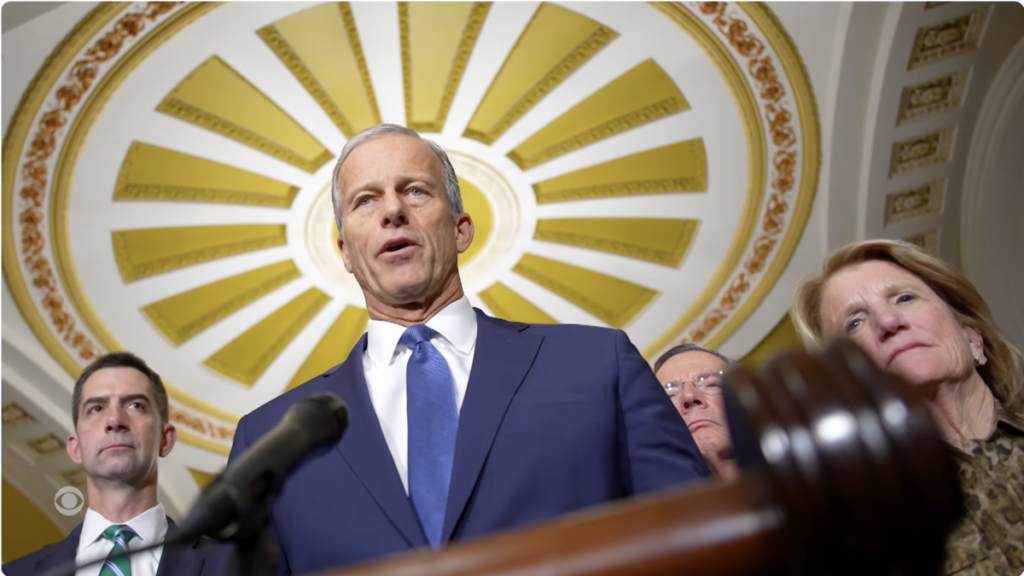
The result? While both parties spend massively, Democrats consistently squeeze more votes per dollar. In rural Latino communities, properly targeted messaging has shifted margins by 10 points or more – enough to tip even red districts blue.
Until Republicans embrace this testing revolution, analysts warn, they’ll keep bringing clubs to a gunfight – and wondering why they keep losing rounds they should win.
Source: thefederalist.com — https://thefederalist.com/2026/11/11/inside-the-targeting-game-dems-use-to-win-votes-and-how-the-gop-can-start-playing-it/