
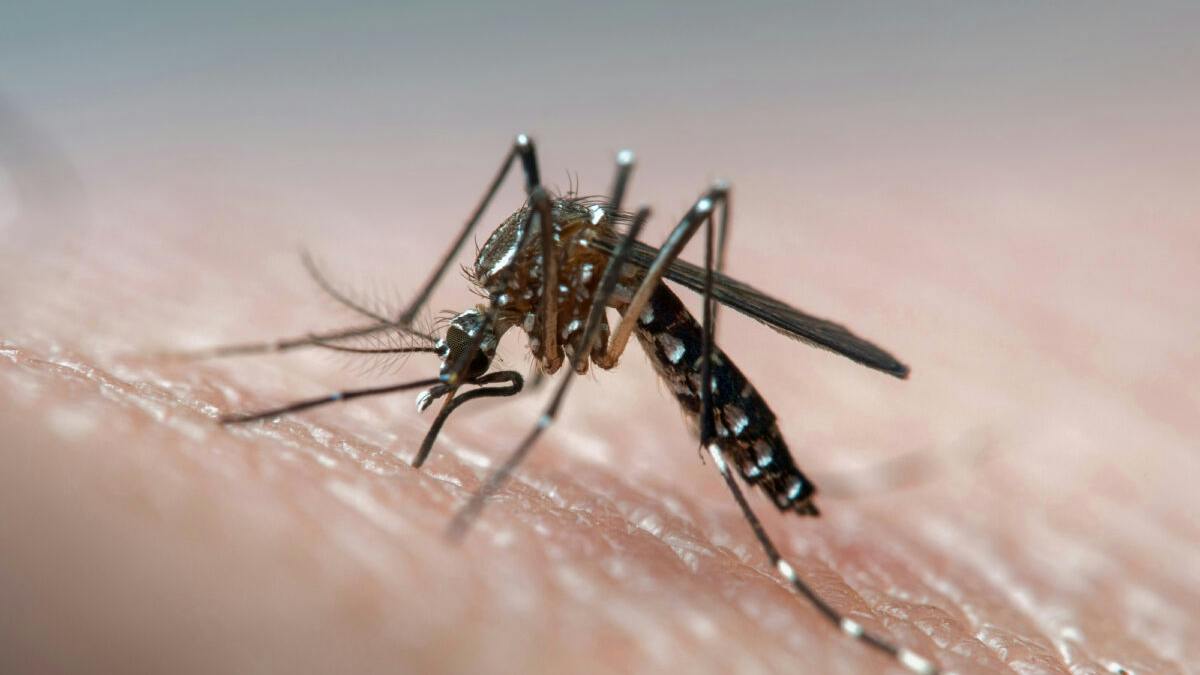
Florida health officials are grappling with an unusually large outbreak of locally acquired dengue fever, a mosquito-borne virus that has historically been associated with travel to tropical regions. According to the Florida Department of Health, 190 cases have been reported across six counties in 2026, with 170 of those concentrated in Hillsborough County. One person has died.
The surge has prompted three counties, including Hillsborough, to declare local states of emergency, a step that signals the severity of the situation and unlocks additional resources for mosquito control and public health response.
‘Wildly Unusual’ for Florida
The scale of the outbreak has startled local officials. “This is wildly unusual for us,” Chris Wilkerson, a spokesperson for Hillsborough County, told the Associated Press, according to ABC News. Dengue, sometimes called “breakbone fever” because of the intense bone and joint pain it can cause, is typically contracted in tropical climates. Most cases documented in the United States have traditionally involved patients who had recently traveled outside the country.
This year’s outbreak is different: the cases are locally acquired, meaning people were infected by mosquitoes within Florida rather than abroad. That shift has raised concerns among public health experts that dengue may be establishing a more permanent foothold in the state.

“I do think it’s going to be somewhat the new normal,” Michael von Fricken, an associate professor of environmental and global health at the University of Florida, told the Associated Press.
Weather and Mosquitoes Fuel the Spread
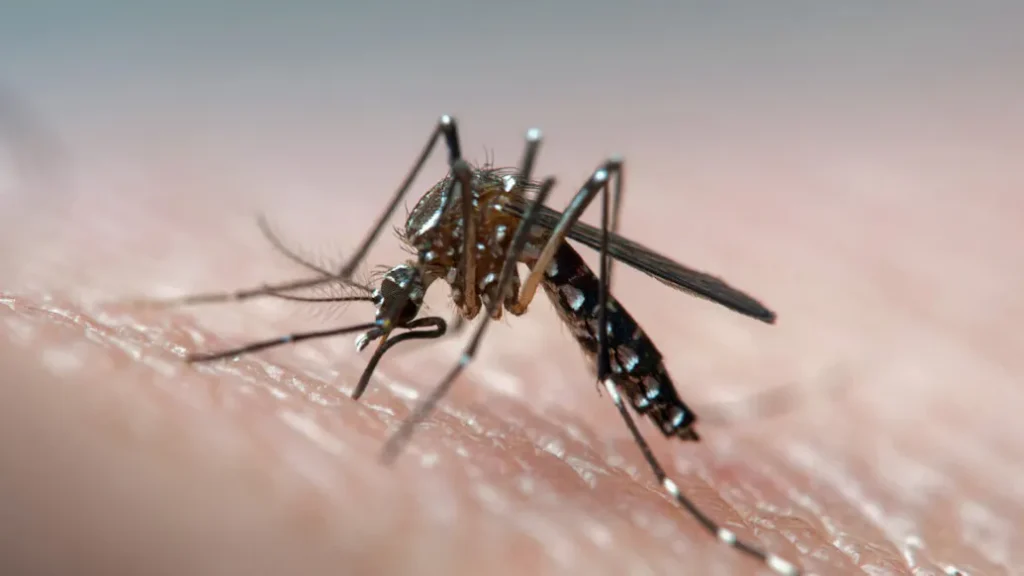
Officials point to recent heavy rains as a likely factor. The downpours have left standing water across the region, creating ideal breeding conditions for Aedes aegypti mosquitoes, the species that carries the dengue virus. These mosquitoes are common in Florida and across the southern United States, and they are considered particularly risky because, unlike many other mosquito species, they are active during the day.

Aedes aegypti can also transmit other diseases, including Zika virus and yellow fever. Residents have been urged to inspect their homes and properties regularly and to eliminate standing water to slow the insects’ reproduction.
Those diagnosed with dengue have also been instructed to isolate themselves. If an infected person is bitten by a mosquito, that mosquito can then pass the virus to others. Dengue cannot be spread directly from person to person like a cold or the flu; it requires the mosquito as a vector.
Symptoms and Warnings
Dengue can cause a sudden high fever, severe headaches, rash, nausea and the debilitating bone pain that gives the disease its nickname. Patients are advised to seek immediate medical attention if they experience confusion, extreme fatigue or restlessness.
Recent testing of mosquitoes in the affected area has come back negative for the virus. The results also suggest that infected females are not passing the virus to their offspring, a finding that has officials hopeful the outbreak could soon resolve on its own. But even with that encouraging sign, experts caution that the broader threat is unlikely to disappear.
For now, Florida officials are urging vigilance as they work to contain the spread. The combination of a warming climate, frequent rainfall and the ubiquity of Aedes aegypti mosquitoes means the conditions that fueled this outbreak are not going away anytime soon.
Source: www.dailywire.com — https://www.dailywire.com/news/the-wildly-unusual-deadly-outbreak-spreading-across-the-u-s