
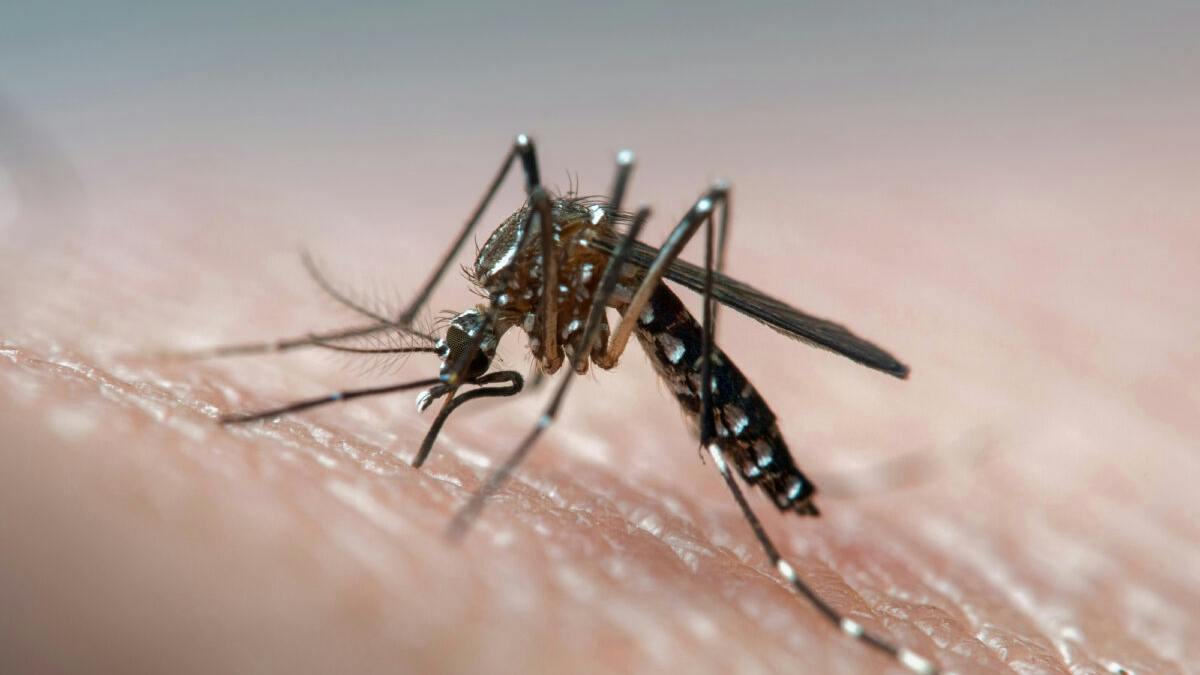
Dengue fever, a mosquito-borne virus typically associated with tropical regions, is spreading rapidly in the United States, with Florida emerging as the epicenter. At least 95 locally acquired cases have been reported in Hillsborough County alone since July, according to the Daily Wire. The Florida Department of Health has not yet confirmed whether a recent death of an elderly woman was dengue-related, though her doctors have linked it to the virus.
A Preventable Threat
Florida officials are urging the public to take precautions against mosquito bites, especially those who have already been infected. Since a mosquito that bites an infected person can then transmit the virus to others, staying indoors is critical. Paolo Pecora, a senior environmental scientist with Hillsborough County, emphasized the importance of community action.

“It takes everyone to help this problem,” Pecora said. “It’s right there behind your backdoor. It’s right there at the corner of your house; it’s behind your shed; it’s behind the brush in the shade after you washed the dog, or it’s an old dog bowl or cat bowl.” He also advised infected individuals to remain at home and contact authorities for a free yard treatment.

Understanding Dengue
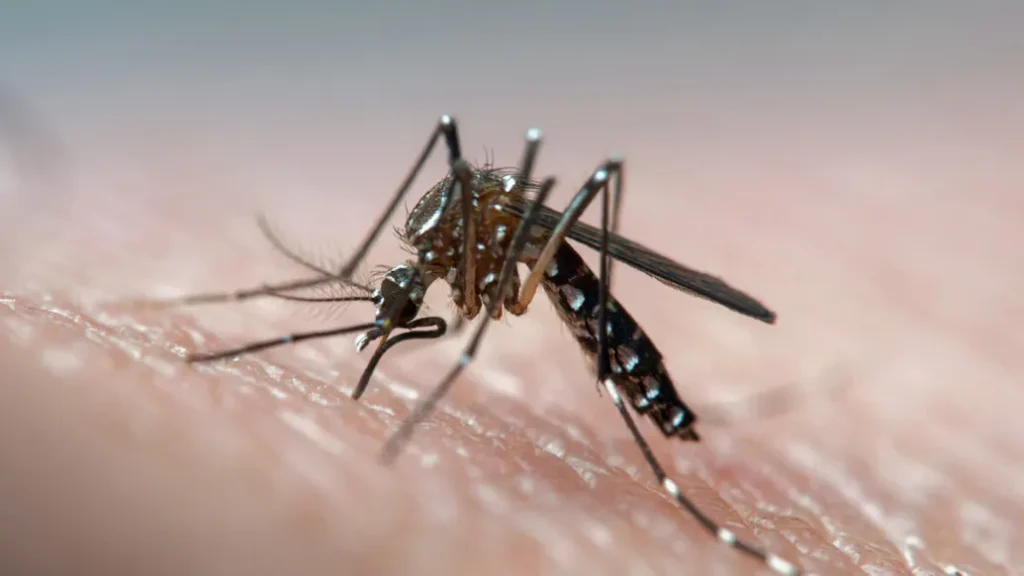
Dengue, often called “breakbone fever” due to the intense bone pain it causes, is transmitted by Aedes mosquitoes, primarily Aedes aegypti. This species is common in Florida and bites during the day, unlike most other mosquitoes. It can also carry Zika and Yellow Fever. Dengue cannot be spread through person-to-person contact.
Symptoms appear suddenly and include high fever, severe headache, and pain behind the eyes. There is no specific treatment; the CDC recommends rest, fluids, and acetaminophen to manage fever. NSAIDs like ibuprofen should be avoided due to bleeding risks. Severe dengue—marked by belly pain, vomiting, bleeding gums or nose, or extreme restlessness—requires immediate emergency care, as it can progress within hours.
Vaccine Limitations and Global Context
No dengue vaccine is currently available in the United States, though some are in development abroad. A vaccine approved in 2019 was limited to patients aged nine to 16 in endemic areas who had previously had dengue; giving it to those without prior infection increased the risk of severe disease later. Globally, dengue has surged dramatically: the World Health Organization recorded 505,000 cases in 2000, a figure that skyrocketed to over 14 million in 2024—the worst year on record.
With no vaccine and limited treatment options, prevention remains the first line of defense. Residents are urged to eliminate standing water around their homes and take personal protective measures against mosquito bites.
Source: www.dailywire.com — https://www.dailywire.com/news/exotic-mosquito-virus-is-rapidly-expanding-in-the-united-states