
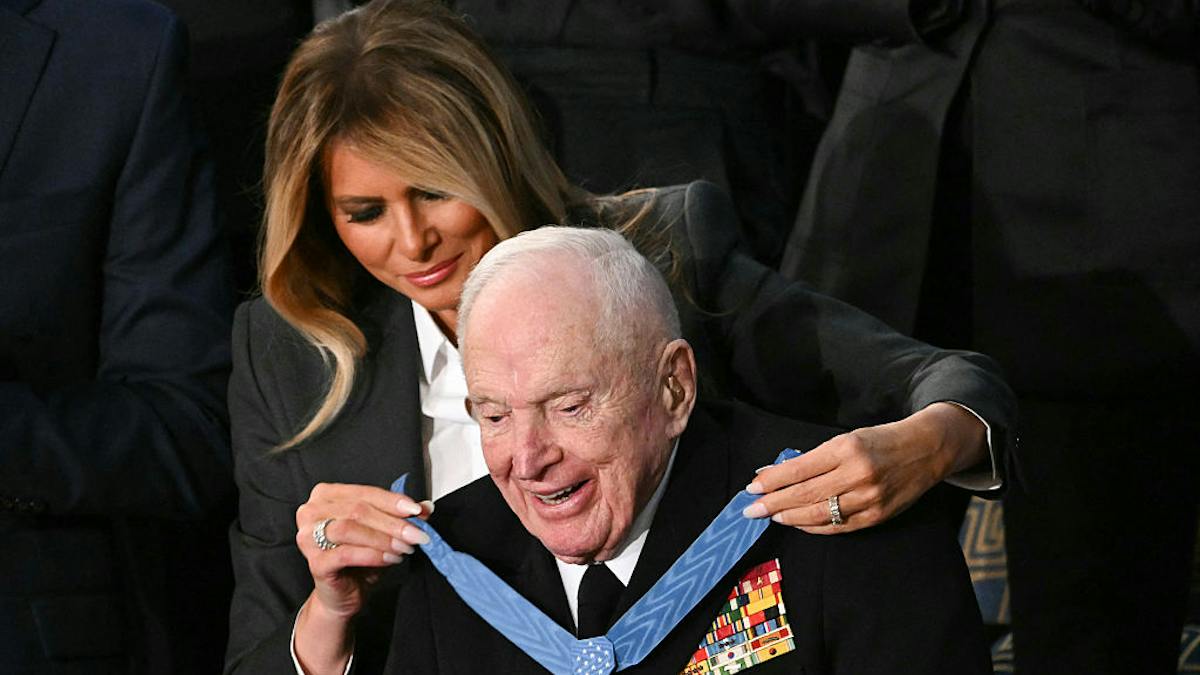
The fanfare around Veterans Day—the parades, the medals, the standing ovations—can mask a harder truth: Many who served still fight bureaucratic battles long after the battlefield. Two stark stories, one involving a Medal of Honor recipient and another a veteran in his final hours, reveal what’s missing in how America supports its heroes.
The Hero Who Needed Help
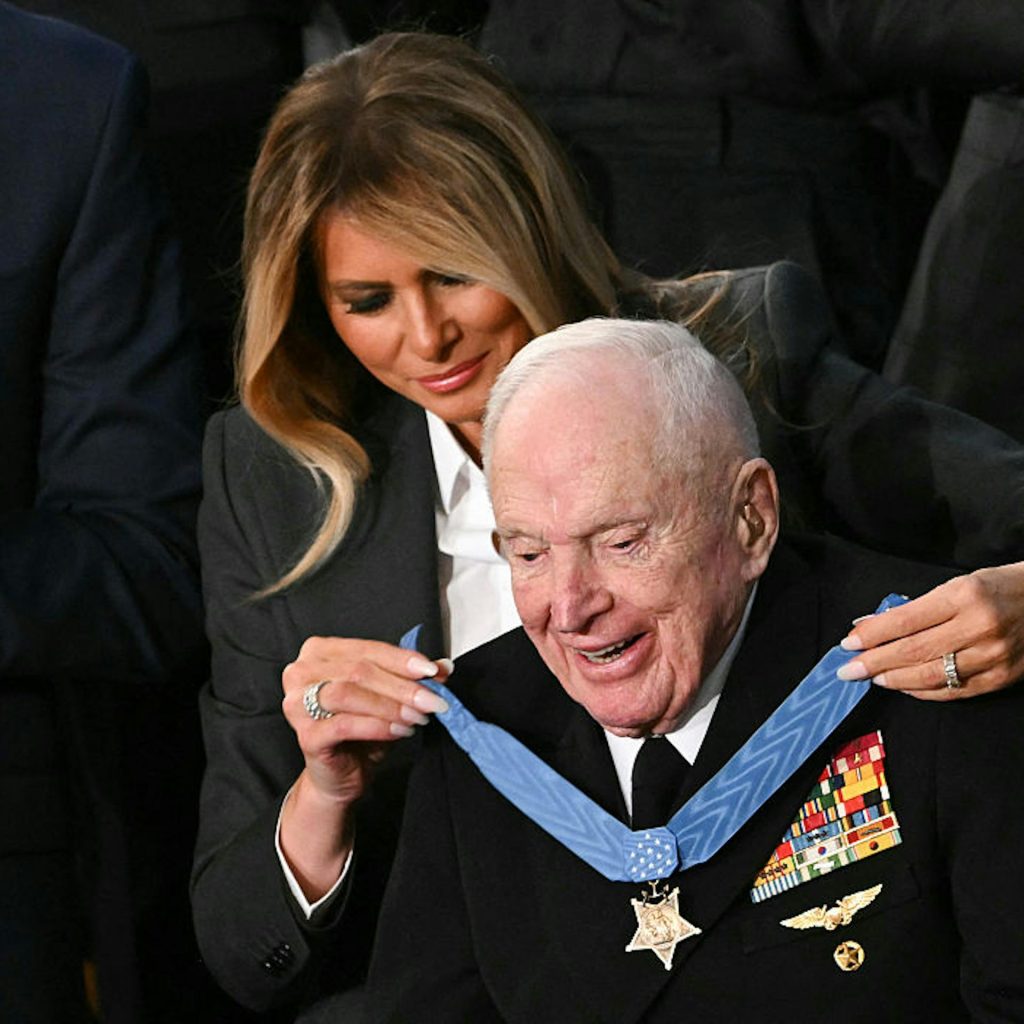
Captain Royce Williams’ 1952 dogfight against seven Soviet MiG-15s became the stuff of legend—a 35-minute aerial duel where he shot down four enemy jets despite crippling damage to his F9F Panther. But his heroism stayed classified for decades until President Trump awarded him the Medal of Honor in February 2026, witnessed by a national television audience during the State of the Union.

What viewers didn’t see: Just two years earlier, the 98-year-old pilot was stuck at a 90% VA disability rating. His PTSD, undocumented in 1950s-era military records, left his claim in limbo. It took a visit from Marine veteran and VetComm CEO Kate Monroe to personally file the paperwork that finally secured his full 100% benefits. “Millions saw him honored,” Monroe writes. “Almost none knew he’d needed someone to come to his living room just to get what he’d earned.”

The Final Hours of Service
A different call took Monroe to a dying veteran’s bedside in Corona, California, where his family said he had six hours left. Even then, he needed help filing a VA claim—one last fight the system hadn’t made easy. Monroe sat beside him, completed the forms, and gave his wife what she called “hope” in his final moments. He died the next morning. Monroe later attended his funeral.
“The system isn’t built for people who are tired, sick, or done fighting bureaucracy,” Monroe notes. Older veterans face incomplete records, especially for mental health wounds rarely documented in past decades. While the VA processes historic numbers of claims, hundreds of thousands remain backlogged—each representing a family waiting.
Beyond the Applause
Through VetComm US, Monroe’s team has helped over 40,000 veterans secure benefits. Her takeaway? “Most don’t need another speech. They need a ride to an appointment, help with a form, or just someone to listen as they recount decades-old trauma.”
This Veterans Day, she argues, the real measure of gratitude isn’t applause but action: “Call a veteran and ask about their disability claim. Drive someone to the VA. Help a family decode paperwork. The country knows how to say thank you. True honor is showing up when they need us.”
Source: www.dailywire.com — https://www.dailywire.com/news/what-a-medal-of-honor-recipient-and-a-dying-veteran-taught-me-about-service