
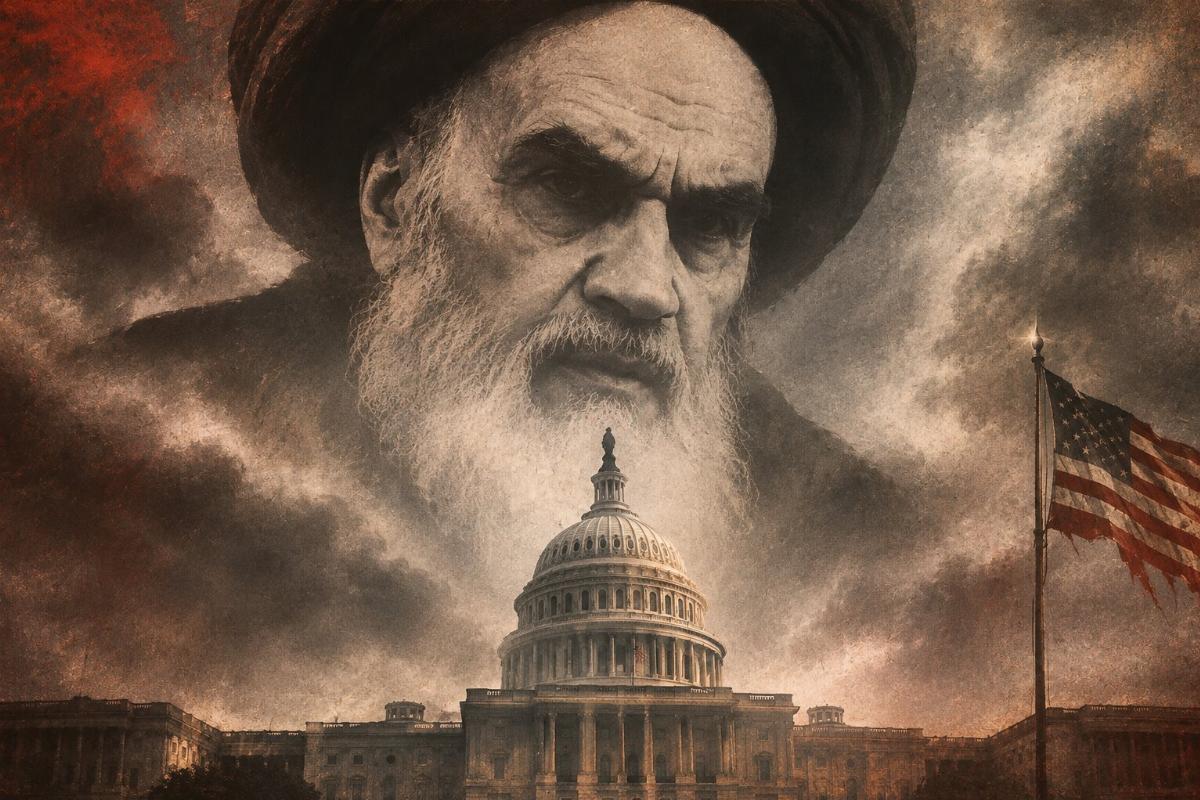
In 1979, Iran’s revolution brought together an unlikely coalition—Marxists, secular liberals, and Islamists—united only by their hatred of the Shah. Once the monarchy fell, the Islamists turned on their former allies, executing thousands and imposing a theocratic regime. Now, some observers see eerie parallels in today’s American political landscape.
The Unholy Alliance That Toppled the Shah
Iran’s revolution was a case study in how ideological enemies can temporarily unite against a common foe. Secular activists, leftists, and even feminists joined forces with Ayatollah Khomeini’s Islamists, believing they could shape a democratic future. They were tragically wrong. Once in power, Khomeini purged his former allies, shuttering universities and executing dissidents by the thousands.
‘Free Palestine’ and the Modern Coalition
Today, progressive student groups, Democratic Socialists, and Islamist sympathizers find common cause in opposing Israel. While many protesters genuinely seek Palestinian rights, others openly celebrate Hamas—a group whose vision for society clashes violently with progressive values like LGBTQ rights and gender equality. The question isn’t whether these factions share beliefs, but whether they’ve considered what happens if their side wins.
When the Revolution Turns on Its Own
History shows that revolutionary coalitions often fracture violently once their shared enemy is gone. In Iran, the very students who helped overthrow the Shah soon faced repression under Khomeini’s regime. Could today’s activists, marching alongside those with fundamentally opposing worldviews, be making the same miscalculation?
America’s institutions are stronger than Iran’s monarchy was, but the warning remains: movements built solely on opposition risk empowering forces they don’t understand. Before forming alliances, the article argues, activists should ask: What does this group truly believe—and would those beliefs survive victory?
Source: www.americanthinker.com — https://www.americanthinker.com/blog/2026/11/iran-1979-is-america-watching-the-sequel/