
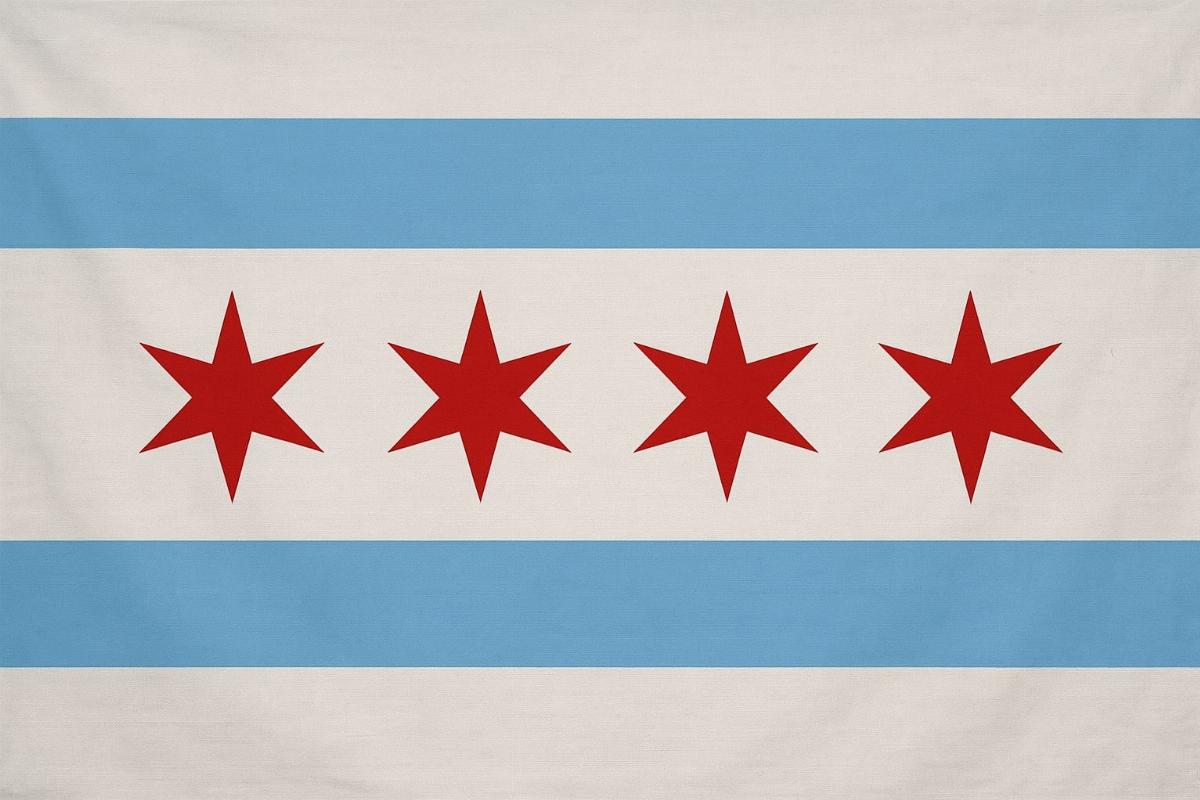
A growing wave of discontent in rural Illinois has reached a symbolic milestone, with nearly half the state’s counties now on record supporting measures to explore seceding from Illinois. The latest midterm election saw 12 more counties—Coles, Ford, Gallatin, Hamilton, Henderson, Macoupin, McDonough, Monroe, Piatt, Saline, Warren, and Washington—approve non-binding referendums to investigate separation, bringing the total to 45 out of Illinois’s 102 counties.
The votes are largely symbolic, given Chicago’s political and demographic dominance. The 12 counties that just approved secession exploration measures represent a combined population of just over 252,000 people—a drop in the bucket compared to Chicago’s 2.7 million residents. Statewide, the counties calling for change hold far fewer voters than the politically powerful Chicago metropolitan area, where progressive policies and Democratic supermajorities in Springfield set Illinois’s legislative agenda.
A State Divided
Illinois is one of several states—alongside Oregon, Washington, and others—where a single urban center dictates policy to the frustration of voters in rural regions. While these referendums have no legal force, they represent a deepening sense of alienation, particularly on issues like taxes, gun control, and energy policy. ‘The rurals get the short end,’ writes Silvio Canto Jr. at American Thinker. ‘A large city runs the state legislature, and candidates for the U.S. Senate just pay attention to urban interests.’
The movement draws comparisons to earlier attempts at state partition, such as the decades-long push for a separate ‘State of Jefferson’ in Northern California or the failed effort to carve Eastern Washington into ‘Liberty State.’ But while Illinois lacks any immediate path to actual secession, continued dismissiveness from Chicago-based lawmakers could fuel further resentment. ‘Incoming Springfield Democrats ignore this sentiment at their own peril,’ warns Canto. ‘Choosing to write off legitimate (and peaceful) votes of discontent risks fracturing our state even further.’
No Quick Fix
Barring structural electoral changes—like a return to state legislature-appointed senators, an idea Canto floats but concedes is unlikely—rural counties lack the votes to counterbalance Chicago’s influence. ‘The rurals are a small minority and don’t have the votes, no matter how legitimate their complaints are,’ Canto writes. Instead, he predicts simmering frustration that ‘will explode, but it will be later rather than sooner.’
For now, the secession push remains more of a protest than a plausible political project. But with each new county joining the movement, it signals a widening gulf between Illinois’s urban power centers and the rest of the state—one that could have long-term consequences for governance, policy, and even national political alignment in a state long considered a Democratic stronghold.
Source: www.americanthinker.com — https://www.americanthinker.com/blog/2026/11/will-they-still-cheer-for-the-cubs/